
There is a particular feeling a room gives you when it looks like it was assembled over the years, not ordered in an afternoon. A worn leather chair from an estate sale, a ceramic vase that clearly came from somewhere specific, and textiles that have actual texture. That feeling is what people are asking their designers for right now, and designers are delivering it at a rate not seen in half a decade.
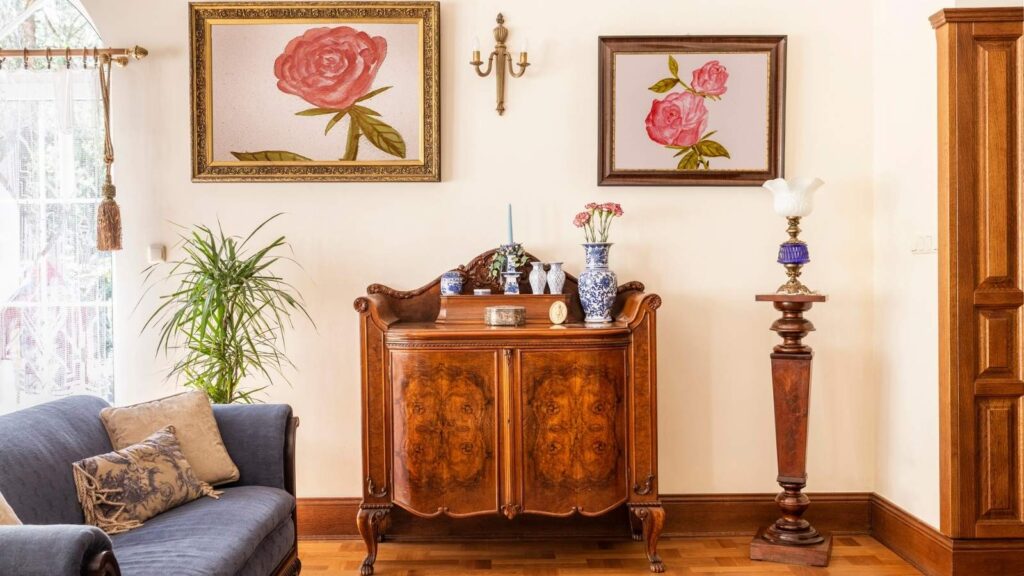
For a long time, the cleaner the better. Gray walls, flat-pack furniture, a single statement plant. Minimalism promised clarity, and clarity sold well. But there is a ceiling to stripped-down rooms, and a lot of people have hit it. Now clients are walking into design consultations asking for spaces that feel layered and personal, like they belong to someone with a history, not a homepage.
The numbers behind the vintage surge
In 2025, 36% of all items sourced for client projects were vintage or antique, the highest share since 2021. The share of designers actively incorporating vintage pieces hit 85%, the strongest five-year showing on record. Use of genuine pre-1920s antiques climbed from 56% in 2024 to 63% heading into 2026. These are not designers following a personal preference. They are responding to what clients are asking for.
Tariffs made vintage look even better
Here is the part most people did not see coming. The same trade disruptions that complicated global furniture supply chains quietly pushed more designers toward vintage. 92% of designers reported some negative impact from tariffs introduced in 2025. International sourcing dropped from 32% to 28% as a result, while domestic sourcing climbed to 72%. Vintage pieces, already stateside and carrying no import exposure, became a genuinely practical choice alongside being a stylish one.
What designers are actually buying
Not everything old is having an equal moment. Interest is sharpening around specific eras and categories. Pieces from the 1920s through the 1950s and pre-1920s antiques are growing fast, while enthusiasm for 1970s pieces has cooled. Vintage textiles are the single most sought-after secondhand category this year: woven wall pieces, patchwork quilts, embroidered fabric and pieces pulled for reupholstery. Murano glass pendants, curved seating, china cabinets and handmade ceramics round out the picture. The common thread is craft, texture and the sense that something took real time to make.
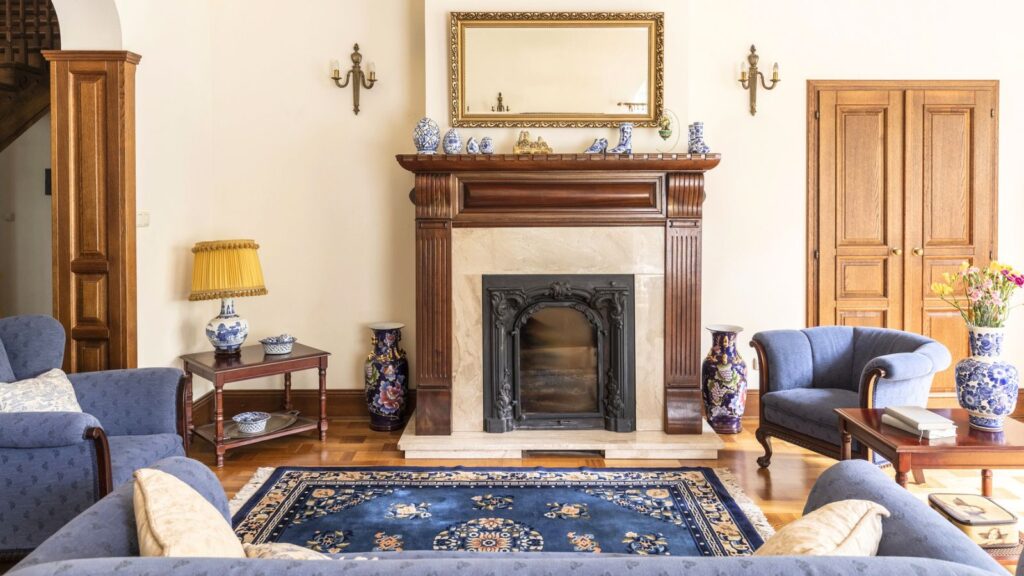
This goes well beyond designers
Homeowners are in on it, too. A recent industry survey found that people plan to spend an average of $5,600 on home improvements this year. One major home design platform logged a 44% year-over-year jump in home project content traffic. Millennials and younger buyers are driving a big share of the secondhand market, motivated by sustainability and the simple logic that a well-built piece from 70 years ago will outlast anything that arrived in a flat box last week.
If your space has started feeling a little too assembled, a single vintage textile or a handmade ceramic from a local estate sale might be all it takes to tip it in the other direction. The global secondhand furniture market is on its way to $62.66 billion by 2031, which means the inventory is only going to keep growing. There has never been a better time to go looking.
Mandy is a luxury travel, fine dining and bucket-list-adventure journalist with expert insight from 47 countries. She uncovers unforgettable experiences around the world and brings them to life through immersive storytelling that blends indulgence, culture and discovery, and shares them with a global audience as co-founder of Food Drink Life. Her articles appear on MSN and through the Associated Press wire in major U.S. outlets, including NBC, the Daily News, Boston Herald, the Chicago Sun-Times and many more.