
Restaurant owners were sure they knew what Ozempic and Wegovy meant for business: smaller appetites, smaller checks, empty seats. They started shrinking portions and trimming plates to match. Then the actual diners walked through the door and blew that theory apart.
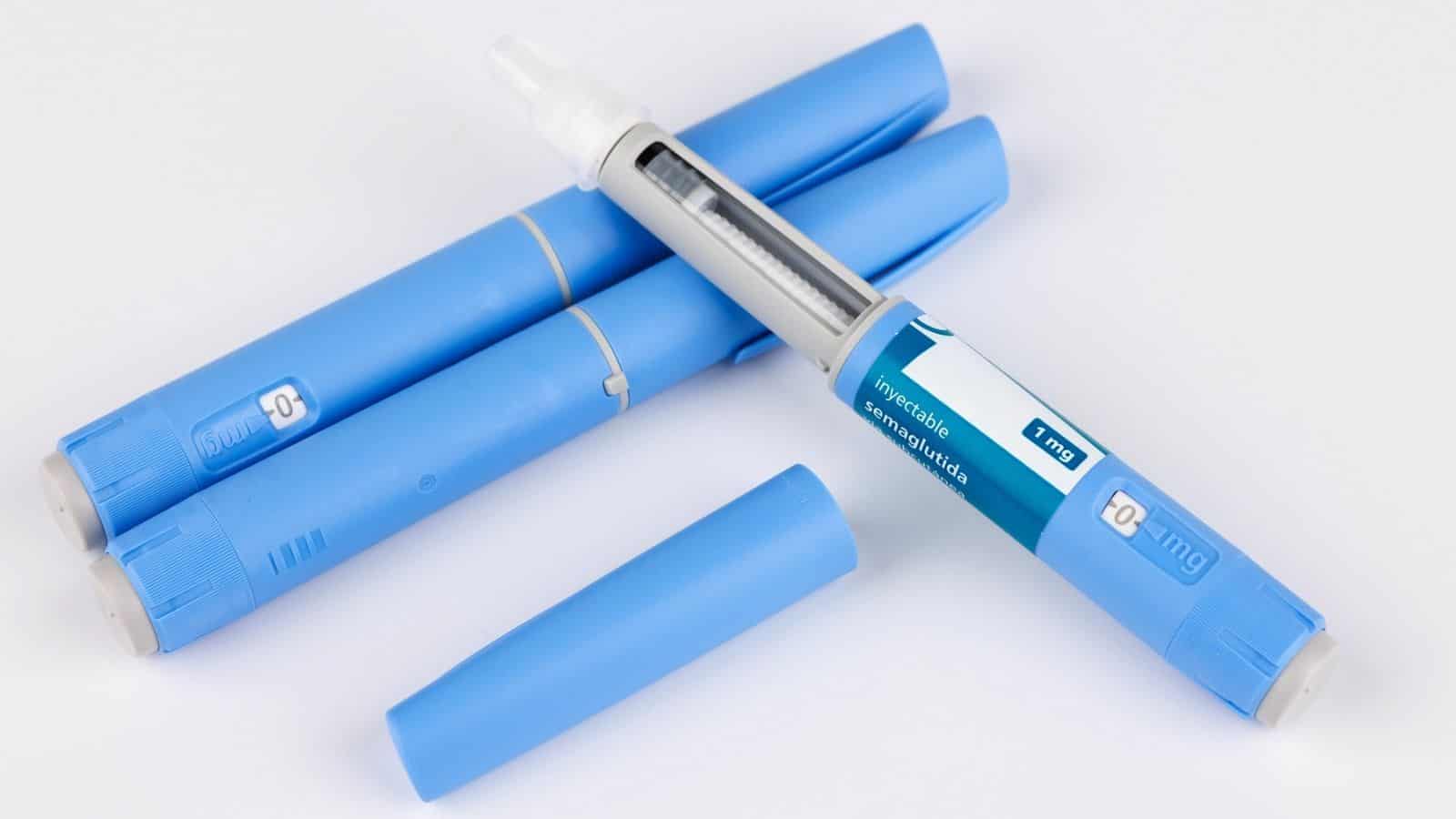
Operators pictured someone eating less and wanting less, so they built menus around that assumption. What they got instead was a diner who still loves going out to eat but orders on purpose.
They split plates, skip the bread basket and steer the whole table toward what actually lands on their fork. Restaurants that figured this out early are now ahead of everyone else scrambling to catch up.
GLP-1 users are averaging 7.6 restaurant visits a week, compared with 5.1 for everyone else. That gap alone wrecks the smaller-check theory that restaurants built their whole strategy around.
GLP-1 diners are ordering with intention
GLP-1 diners keep showing up. What changes is what ends up on the plate. Circana’s newest research found they order more entrees and fewer sides, snacks and bread baskets per visit.
Sixty-three percent are adding more vegetables, and 55% are reaching for more fruit. They skew younger, wealthier and more urban, and lean toward fast-casual over a sit-down dinner. They split orders and point the table toward protein-forward dishes instead of piling on volume.
Cuba Libre built a menu around it
Barry Gutin didn’t need a research report to see this coming. The co-founder of Cuba Libre Restaurant and Rum Bar watched two friends adjust their orders at his own restaurant, a story he later told on public radio. He teamed up with a Philadelphia weight loss physician on five dishes built around higher protein, higher fiber and smaller portions, each priced down to match.
His read on the room: a GLP-1 diner can be the one vote that decides where a whole group eats. Three of those dishes now sit on Cuba Libre’s regular dinner menu in Philadelphia and Washington, D.C.
Chipotle and El Pollo Loco bundle protein menus
Chipotle and El Pollo Loco didn’t rebuild their kitchens to do this. They organized what was already on the line into a dedicated section so customers could stack their own macros. Chipotle’s high-protein menu runs from a 32-gram chicken cup up to an 81-gram Double High Protein Bowl.
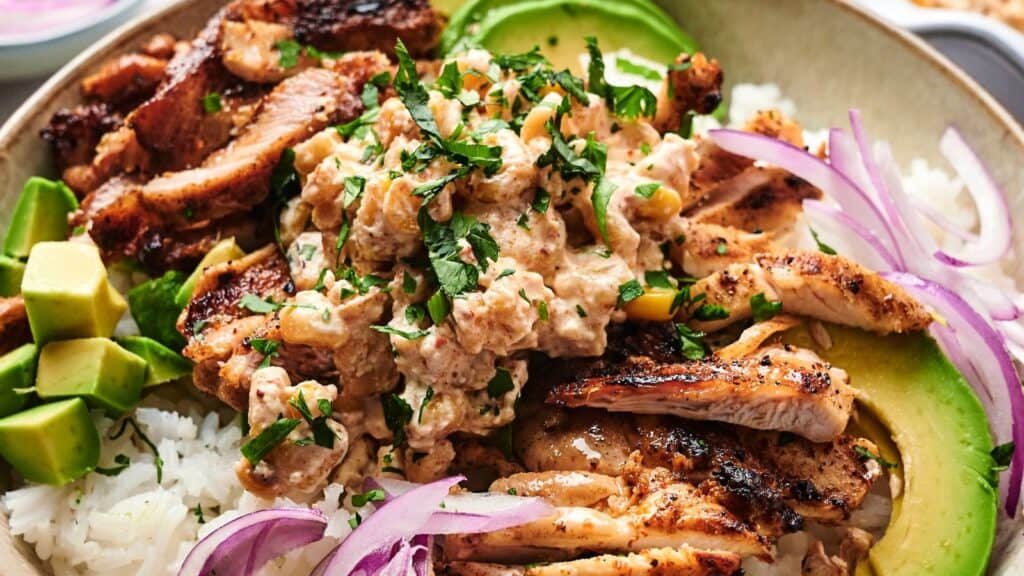
El Pollo Loco’s Protein Packed menu carries two dozen items with at least 20 grams of protein each. Neither chain started from scratch, which is the real lesson for smaller operators still watching from the sidelines. There’s money in it too: 76% of GLP-1 users say they’d pay more for a menu built for them, and 71% call restaurants essential to their life, compared with 61% of all adults.
Next time you’re picking a restaurant with a group, watch for the menu section built around protein and smaller portions. There’s a decent chance it’s already there. If it’s not yet, don’t be surprised when it shows up soon, well before anyone calls it a trend.
Jennifer Allen is a retired professional chef and long-time writer. Her work appears in dozens of publications, including MSN, Yahoo, The Washington Post and The Seattle Times. These days, she’s busy in the kitchen developing recipes and traveling the world, and you can find all her best creations at Cook What You Love.