
Most Scotch gets made the fast way now. Machines malt the barley. Outside cooperages build the barrels. It’s efficient, and it’s how almost every bottle on the shelf comes together. A few distilleries never signed on for that, and National Scotch Day is the perfect excuse to find out why that still matters.

Doing it the old way isn’t cheap or easy. It means running a malting floor, paying a cooperage crew, or refusing to outsource any part of the process. Most distilleries dropped these habits decades ago. A handful never did, and you can taste the difference.
Glenmorangie’s stills are the tallest in Scotland
Glenmorangie has been distilling in the Highlands for more than 180 years, using stills so tall they force the spirit to travel further before it condenses, giving the whisky a lighter, smoother character. Its cask program goes further than most, too, including custom “designer” casks made from slow-growth oak sourced from Missouri’s Mark Twain Forest.
Dr. Bill Lumsden has run the show here for more than 30 years and is the only five-time winner of the International Whisky Competition’s Master Distiller of the Year award. In 2025, King Charles III gave him an MBE for it.
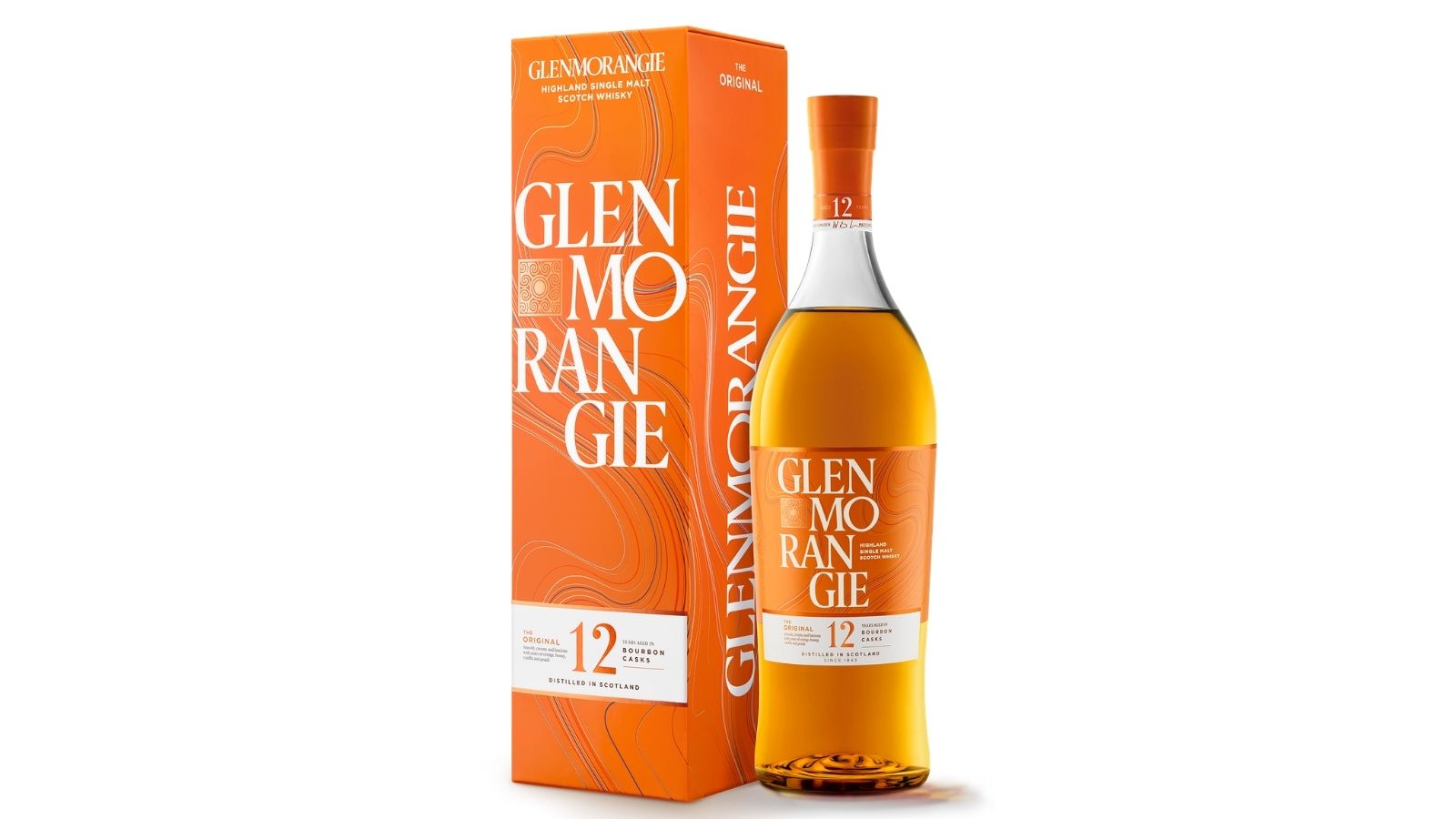
“Glenmorangie strikes a unique balance for consumers, offering whiskies that are complex enough to be engaging for connoisseurs, yet approachable for those new to single malts,” said Dan Crowell, Glenmorangie’s U.S. ambassador. “The progression of age statements and extra-matured expressions in the Glenmorangie range provide a diverse exploration pathway for consumers, while consistently delivering the distillery’s house style of citrusy richness and floral resonance. Glenmorangie is recognized for providing an excellent price-to-quality ratio across its range of expressions.”
That house style shows up clearly in the 12 Year Old. “Glenmorangie 12 is smoother, creamier and even more complex than I expected,” said Heidi Bruaw, a recipe developer and Scotch lover at Real Life of Lulu. “On the nose, you get citrus and ripening peaches balanced by a soft vanilla, then on the palate, that vanilla gives way to a burst of flowery fruitiness. The finish is the real surprise: it lingers way longer than you’d expect, with almond, coconut and a touch of maple syrup.”
“Glenmorangie is a great introduction to Highland single malt Scotch whisky,” said Luis Zammaretto, a bartender at The Flatiron Room in New York City. His go-to pour is the bar’s Rockstar Martini, made with Glenmorangie Triple Cask Reserve, passion fruit, vanilla syrup and lemon juice, served in a coupe glass with a dehydrated lemon wheel.
Balvenie still grows its own barley
Balvenie, founded in 1892 in Speyside, keeps what it calls its Five Rare Crafts alive in-house: growing its own barley, malting some of it by hand, running its own cooperage, and keeping a dedicated Malt Master over every cask decision. No other Scottish distillery still does all five itself.
David Stewart held that Malt Master job for more than 50 years before handing it to his successor, Kelsey McKechnie.
Springbank does every single step itself
Springbank, in Campbeltown, is the only distillery in Scotland that malts 100% of its own barley by hand, and the only one that handles every step, from malting to bottling, on one property. It’s also Scotland’s oldest independent, family-owned distillery, still run by the same family since 1828.
Every bottle passes through the same hands, on the same patch of land, from barley to bottle.
These three approaches don’t make any whisky better than one built the easier way. They just mean something real is different in the glass. Pour one of these three tonight, and you’re pouring the whole slow process behind it, not just what’s printed on the label.
Mandy Applegate is the creator behind Splash of Taste and seven other high-profile food and travel blogs. She’s also the co-founder of Food Drink Life Inc., a unique and highly rewarding collaborative blogger project. Her articles appear frequently on major online news sites, and she always has her eyes open to spot the next big trend.