
A national park fee-free day can save you the entrance charge, but it does not make the whole visit free. The 2026 calendar also has new eligibility rules and new charges for nonresidents. Park-specific rules can still affect your day, too. Before you build a trip around the word “free,” check what the date actually covers.
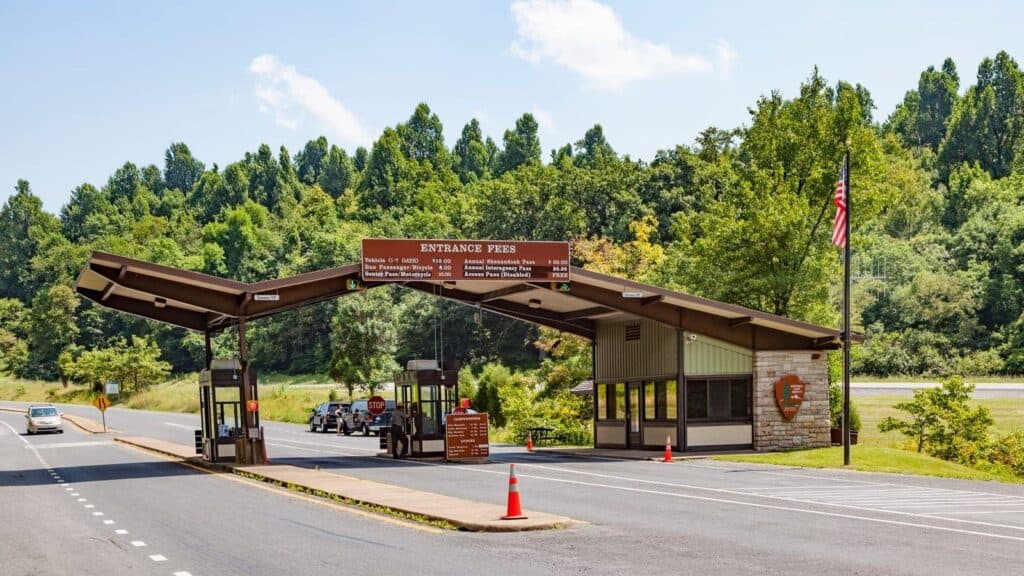
The 2026 Calendar Has 10 Fee-Free Days
The National Park Service lists eight fee-free calendar entries for 2026. One entry covers July 3 through July 5. That makes 10 individual fee-free dates: February 16, May 25, June 14, July 3 to 5, August 25, September 17, October 27 and November 11. Keep the full list handy when you plan.
Last Year’s Familiar Dates Are Gone
The regular 2025 schedule included Martin Luther King Jr. Day and the first day of National Park Week. It also included Juneteenth, the Great American Outdoors Act signing anniversary and National Public Lands Day. Veterans Day was on the list as well. Of those dates, only Veterans Day returns in 2026. Check any old calendar reminders before making plans.
The Entrance Fee Is the Part Being Waived
A fee-free day does not erase every charge tied to your visit. The National Park Service says other fees still apply, including camping, reservations and special-use permit fees. If your plans include one of those extras, budget for it as you would on a regular park day.
Free Entry Is Limited to US Citizens and Residents
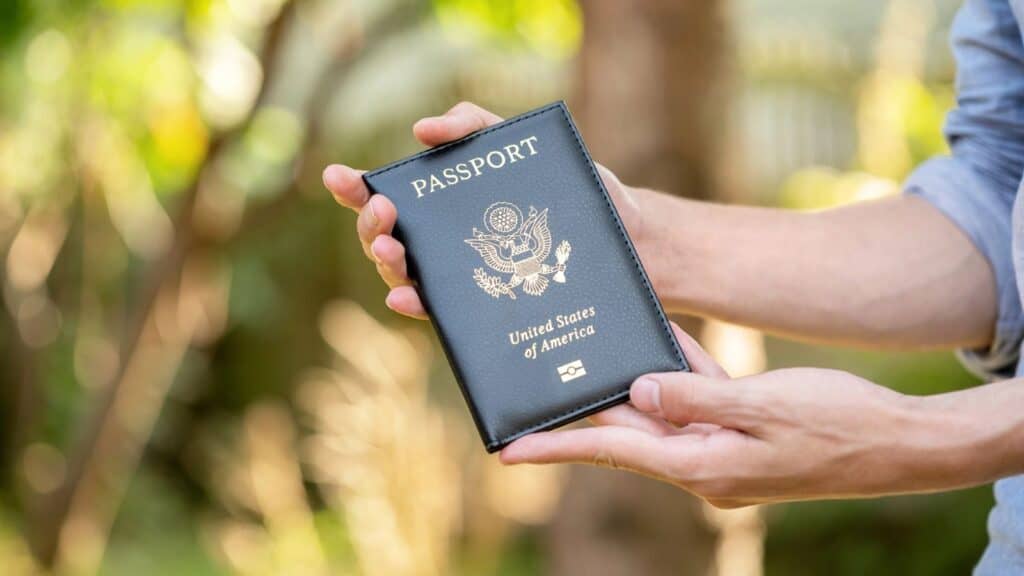
Beginning in 2026, the fee-free benefit applies to U.S. citizens and residents. Non-U.S. residents must pay the regular entrance fee plus any fee that applies to nonresidents. A fee-free date therefore does not guarantee free gate entry for every visitor in the same party.
11 Parks Add a $100 Nonresident Fee
At 11 parks, non-U.S. residents age 16 and older can owe an extra $100 per person. The charge is added to the standard entrance fee unless an eligible pass covers it. The parks include Yellowstone, Yosemite, Zion and Grand Canyon. The added fee still applies on fee-free days.
Rocky Mountain Still Requires Timed Entry
Rocky Mountain National Park kept timed entry for the 2026 season. Reservations are required during set daytime hours from May 22 through mid-October. Booking costs a $2 Recreation.gov processing fee. A fee-free date can remove the entrance charge for an eligible visitor. It does not remove the reservation rule.

A Full Parking Lot Can Still Stop Your Plan
Waiving admission does not create more parking. Gateway National Recreation Area’s Sandy Hook unit has 4,200 beach parking spaces. When those spaces are full, vehicle entry is restricted for recreational users. Residents, non-recreational users and people using certain facilities are exceptions. Capacity rules vary by park, so check current conditions before you leave.
A Fee-Free Day May Change Nothing at Your Park
Most National Park Service sites are already free to visit, according to the agency. If your destination does not charge an entrance fee, the national fee-free date adds no extra gate discount. Check the park’s fee page before choosing a date just for the savings.
An Annual Pass Can Still Make Sense
The America the Beautiful pass covers entrance fees and standard day-use fees at federal recreation sites across six agencies. In 2026, the resident annual pass costs $80. The nonresident annual pass costs $250. Whether a pass saves you money depends on your actual plans. Compare the fees for the places you expect to visit instead of using a fixed number of trips.
Free Works Best as a Bonus
A free day can tempt you to build the whole trip around the discount. The better value is choosing the park day that fits the experience you want. If the free date works, take the savings. If it does not, changing a larger trip to save one entrance fee can cost more in time and flexibility than you gain at the gate.