
California just rewrote how state law defines an ultra-processed food, and the test isn’t a banned ingredients list anymore. Regulators will judge what’s actually inside a product, timing that lands right in the middle of Kids Eat Right Month, as families rethink what goes in the lunchbox all over again. A handful of everyday pantry staples clear the new bar without breaking a sweat.
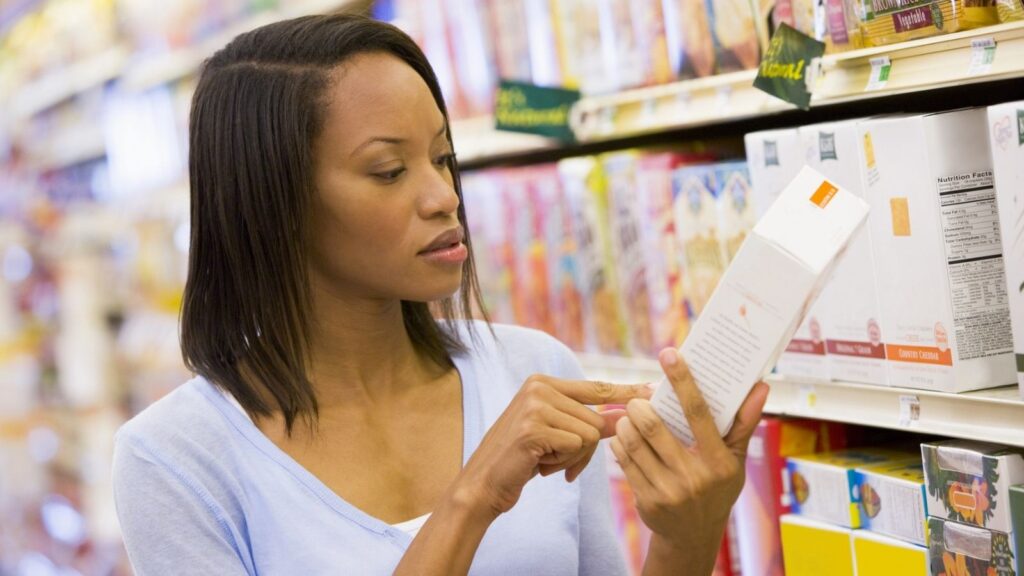
Years of arguing over what belongs in a school lunch got California to this point. Most state laws settle for a fixed list of banned additives instead of judging food by what’s actually inside it. Kids Eat Right Month keeps landing on the same question every year: what really counts as processed, and this time a state wrote an answer into law instead of leaving it to marketing claims.
A scientific classification called Nova has sorted foods by processing level since the late 2000s, long before any lawmaker touched the term. California’s new law runs on a two-part test instead of a single checklist. A food only earns the ultra-processed label if it contains a specific type of additive, things like emulsifiers, stabilizers, colors or flavor enhancers, and also meets one of two nutrient conditions, either high saturated fat, sodium or added sugar, or the presence of a nonnutritive sweetener or similar substance.
The test in plain terms
Additives alone don’t trigger the label. Neither does a long ingredient list on its own. Both parts have to line up together, which narrows things down fast.
Regulators also created two new categories, “ultra-processed foods of concern” and “restricted school foods,” to pin down exactly which products they consider worth targeting. Officials have to weigh peer-reviewed research on health harms before finalizing those lists, alongside whether a substance is already flagged or banned somewhere else.
5 pantry staples that clear the bar
Plenty of pantry regulars stay untouched, at least based on the categories the law spells out.
Canned produce falls under the exemption for minimally processed foods, broad enough to cover a plain can of crushed tomatoes with no added stabilizers.
Pureed foods like applesauce pouches clear the same exemption too, since the definition targets additive types rather than packaging format or lunchbox convenience.
Dried fruit gets the same pass, even though it looks heavily manufactured sitting next to fresh produce in the snack aisle.
USDA commodity foods carry their own carve-out no matter how they’re prepared in a school kitchen.
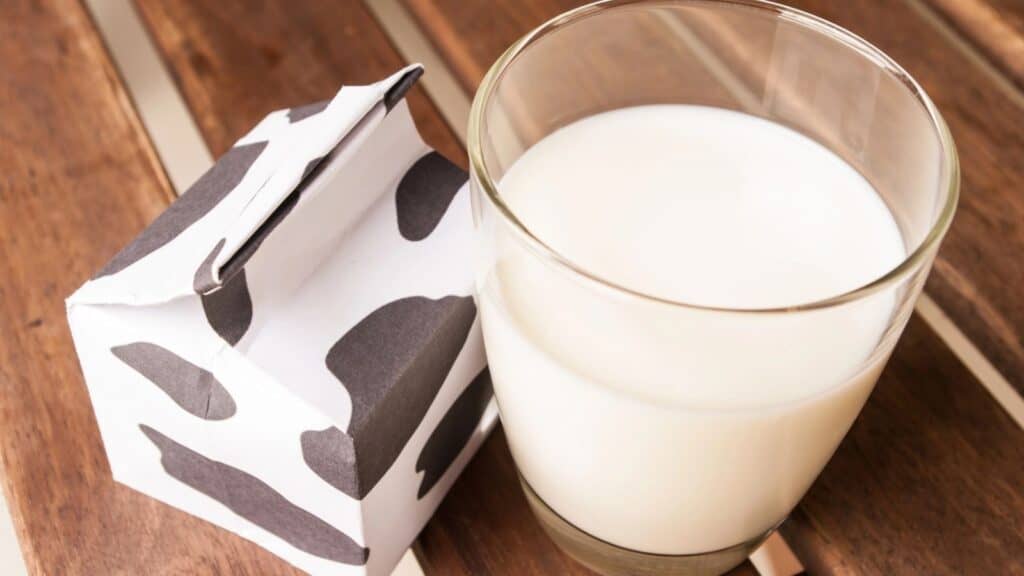
Class 1 milk, the plain variety schools pour by the carton, skips the new definition entirely.
Other states are taking a narrower path. Arizona’s 2025 school law bans 11 specific additives outright, skipping California’s ingredient-and-nutrient test. The federal government has been chewing on its own definition since 2025, and officials admit the process is proving harder than expected.
Nothing on a lunch tray changes overnight. The law phases in over roughly a decade, with the concerning-foods list finalized by 2028 and full school compliance holding off until 2035. So next time a can of crushed tomatoes or a bag of dried apricots gets side-eyed in the pantry, they’ve already got California’s blessing.
Disclaimer: These statements have not been evaluated by the Food and Drug Administration. The contents of this article are for informational purposes only and do not constitute medical advice. The content presented here is not intended to be a substitute for professional medical advice, diagnosis or treatment. Always seek the advice of a qualified healthcare provider with any questions you may have regarding a medical condition or dietary changes. Reliance on any information provided by this article is solely at your own risk.
Mandy writes about food, home and the kind of everyday life that feels anything but ordinary. She has traveled extensively, and those experiences have shaped everything, from comforting meals to small lifestyle upgrades that make a big difference. You’ll find all her favorite recipes over at Hungry Cooks Kitchen.