
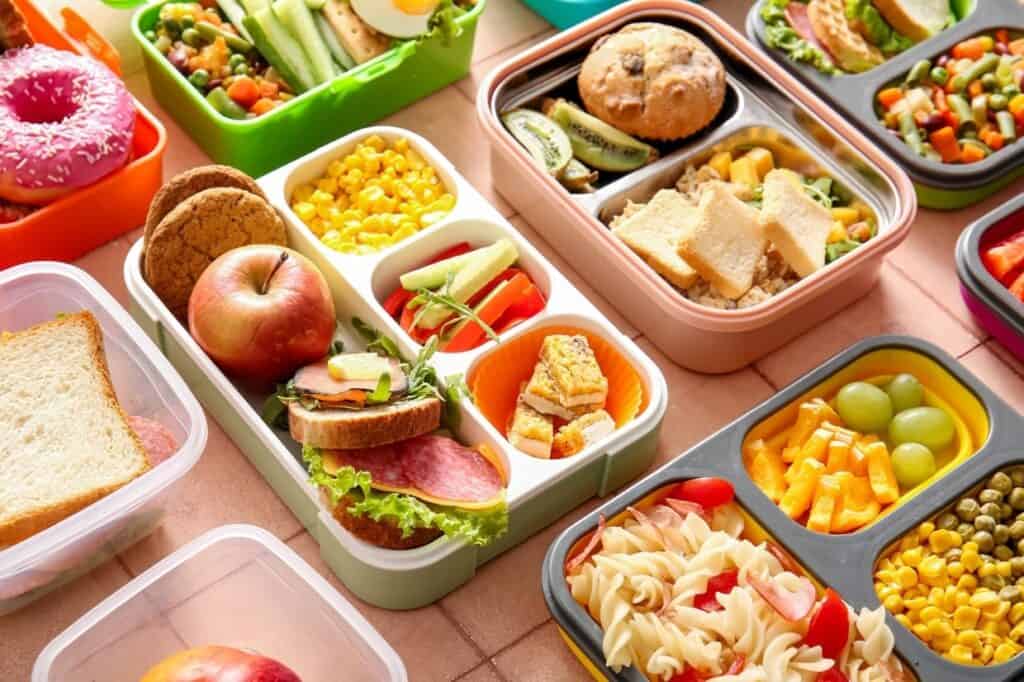
School lunches in 2025 are having a radical makeover, serving food that students are excited to eat. Today’s lunchboxes show how much has changed in just a few years, with old staples giving way to ginger chicken, roasted beet crisps and mango-chili smoothies. These new offerings reflect broader trends toward global flavors, plant-forward choices and stricter federal nutrition rules.
This post may contain affiliate link(s). As an Amazon Associate, I earn from qualifying purchases. See Disclosures.
From local lettuce to citrus grown just miles away, some school districts are sourcing from nearby farms to serve fresher meals. This shift represents one part of a larger transformation that examines both the meals and the systems driving the changes around them.
The state of the lunchbox in 2025
Before we unpack what’s in today’s lunchbox, let’s consider just how massive this daily effort is. Over 95,000 schools and institutions serve 29.7 million students each day, making the National School Lunch Program one of the country’s most extensive nutrition efforts.
In 2025, the contents of our lunchboxes reveal a system trying to do more with limited resources. USDA guidelines, local food policies and tight budgets all shape meals, affecting everything from what’s on the tray to how it’s served. While some students enjoy fresh fruit and grain bowls, others still get processed chicken and canned fruit, though the push toward nutritious, inclusive food is growing nationwide.
Today’s school lunch looks more like something you’d find in a casual cafe instead of old, uniform meals. We’re talking flavor-packed bowls, crunchy snacks and smart combinations that fuel kids through the afternoon. It’s not just about filling trays anymore; it’s about making thoughtful, balanced meals that students enjoy eating.
Bowl meals, crunch and creativity
If there’s one thing that defines modern school lunch, it’s personalization, and bowl meals are leading the charge. Build-your-own options have taken over the tray line, generating real student interest. Whether it’s a warm quinoa base topped with sesame tofu or chilled couscous with roasted veggies and tzatziki, these combinations feel fresh and fun while still meeting dietary standards.
That creativity extends beyond flavors to include meal textures. Schools are adding crunch with roasted beet chips, toasted seeds or chickpea snacks to make lunches more satisfying. Once an overlooked element, texture now plays a central role in school menu design.
Bento boxes and yogurt parfaits topped with granola provide a layered contrast in every bite, delivering both flavor variety and key nutrients. These compact meals typically contain ingredients such as sliced fruit, whole grain crackers, hummus and cheese, giving students balanced portions and easy choices.
Plant-forward and inclusive
One in four U.S. consumers now chooses to limit meat, mirroring the broader shift toward plant-forward eating that is driven by policy changes and climate concerns. This trend doesn’t stop at the cafeteria, as many parents are packing meatless meals like colorful veggie wraps or protein-rich grain salads for a more balanced approach to eating.
School lunches in 2025 reflect this shift through lentil-stuffed empanadas, cauliflower shawarma wraps and black bean tamales appearing on more trays. These additions not only diversify menus but also respond to changing student preferences across cultural backgrounds.
This shift also goes hand-in-hand with a growing focus on meeting dietary needs and traditions. Cafeterias now regularly offer halal, kosher, dairy-free and gluten-free meals, with dedicated allergy-safe stations preventing cross-contact. Students from all backgrounds can now enjoy meals that fit their needs while tasting great.
Less ultra-processed food
One of the most dramatic shifts in 2025 is the effort to move away from ultra-processed foods, which account for over 50% of the daily calories consumed in America. For years, school trays featured items like fruit cups packed in syrup and oversweetened chocolate milk, reflecting national eating habits.
But now, new federal guidelines cap added sugars and push schools to use fresh, whole ingredients wherever possible, reducing reliance on ultra-processed options. More schools are cooking from scratch: roasting vegetables, baking whole-grain muffins and blending smoothies from real fruit, creating healthier alternatives to processed foods.
Local sourcing and free meals
Local sourcing has moved beyond occasional farm visits to become fundamental to school food programs. An increasing number of schools are sourcing locally grown ingredients for their meals and snacks while also incorporating educational programs that emphasize food, farming and nutrition. For local farmers, ranchers, and other producers, this creates new market opportunities and lets their harvests impact children in their own communities.
Meanwhile, in the broader effort to support equity and access, at least eight states are adopting universal free meal policies. More than 21 million American children now attend schools that offer free meals to all, which is a tenfold increase from 2010.
“Schools did not want to go back to charging some kids,” said Crystal FitzSimons, the director of child nutrition programs and policy at the nonprofit Food Research and Action Center, in Forbes. “They saw the huge benefits of providing free meals to all students: supporting families, supporting kids, changing the culture of the cafeteria,” she added. This change has removed financial and social barriers for millions of families, making meals more accessible and reshaping the cafeteria experience for students nationwide.
Milk makes a comeback
After years of low-fat and fat-free being the norm, whole milk is making a cautious return. Backed by recent studies suggesting its potential in reducing the risk of obesity in children, the Whole Milk for Healthy Kids Act of 2023 has been passed in Congress. Some nutritionists argue that the fat in whole milk helps kids feel full longer, reducing cravings for sugary snacks.
Schools may reintroduce whole milk again in their cafeterias. Whether it becomes the default remains to be seen, but the conversation around milk continues.
Shaping the future
School lunch in 2025 represents more than a midday break; it’s a window into how America feeds, educates and supports its next generation. From plant-based bowls to free meals for all, today’s lunchbox now tells a story of changing priorities and expanding access. It shows how policy and community come together in something as simple as school meals, reflecting national commitments to health, equity and sustainability.
Jennifer Allen is a retired professional chef and long-time writer. Her work appears in dozens of publications, including MSN, Yahoo, The Washington Post and The Seattle Times. These days, she’s busy in the kitchen developing recipes and traveling the world, and you can find all her best creations at Cook What You Love.