
Grabbing a bottle before a dinner party can feel like a coin flip. Bold red or safe white, splurge or bargain shelf, most people grab and go without giving it much thought. New research suggests that choice might carry more weight than anyone realized, tracing straight back to how a shopper is wired underneath the label.
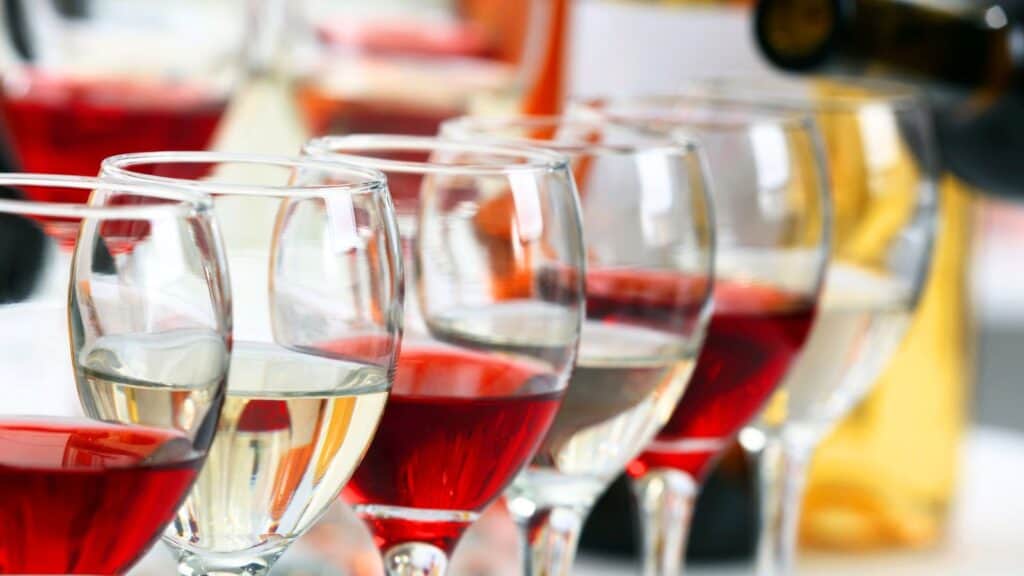
Psychologists wanted to know if there’s more behind that pick than taste or budget. They leaned on the Big Five framework, the model that breaks personality into five measurable traits, then looked for a pattern in what people actually pour into their glass. What they found ties four specific traits to a real, measurable habit.
The Study Behind the Pour
Researchers combed through 9,917 wine reviews left on an e-commerce platform, using artificial intelligence to read personality traits into the language shoppers used to describe their bottles. A statistical model then compared those traits against each wine’s alcohol content, the strength of the pour itself. Four of the five personality dimensions turned out to matter.
What Your Bottle Says about You
Shoppers whose language pointed to higher openness and agreeableness leaned toward higher-ABV wines, the bolder pours that carry more punch per glass. Extraversion and neuroticism ran the other way, steering shoppers toward lighter, easier-drinking wines instead. Conscientiousness barely moved the needle either direction.
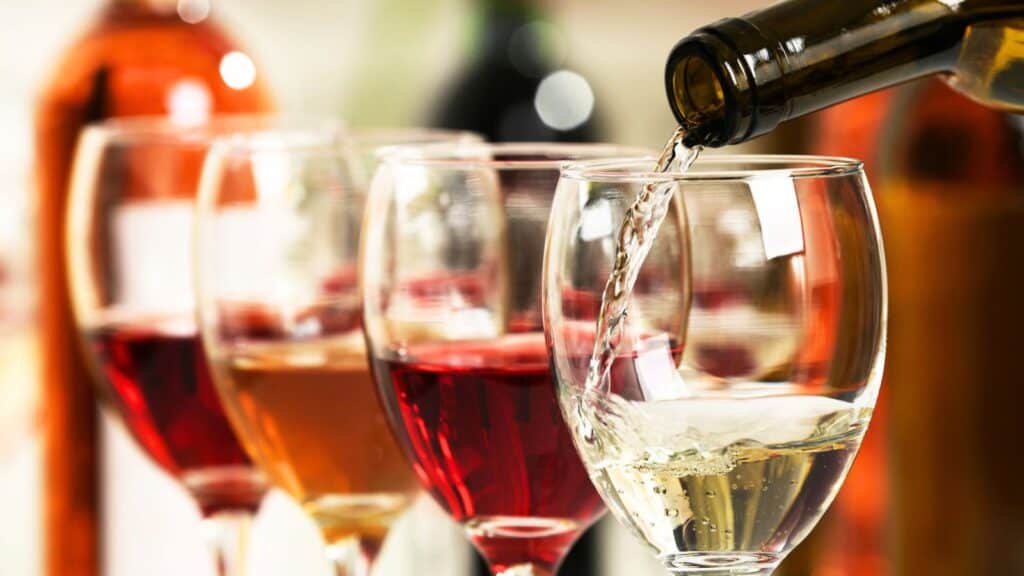
A bold red doesn’t make someone open-minded, and a crisp white doesn’t make someone anxious. Researchers describe these as genuine patterns, not fixed rules, and view them as a starting point for future wine recommendations built around psychological fit.
The Label Sends Its Own Message
A separate survey of wine drinkers tested perceptions of bottles from France, Romania, the United States and China, and found a country’s reputation shapes how sophisticated or trustworthy a wine seems, separate from what’s actually in the glass. French wines came out on top, read as the most sophisticated and prestigious of the group, while American wines landed in the middle, seen as competent and rugged, not quite polished.
Together, the two studies suggest your bottle does some talking before you even open your mouth. Next time you’re standing in the aisle, it might be worth noticing what you reach for, and maybe having a little fun with what it says about you.