
First-time wine drinkers aren’t bothering with tasting notes, swirl techniques, or fancy vocab, and the wine industry is taking note. From grocery store shelves to casual tasting events, wine is becoming more approachable than ever. And, as first-time drinkers seek out simple, no-fuss ways to enjoy a glass, a new era of wine culture is uncorking; one that skips the snobbery and keeps the fun.
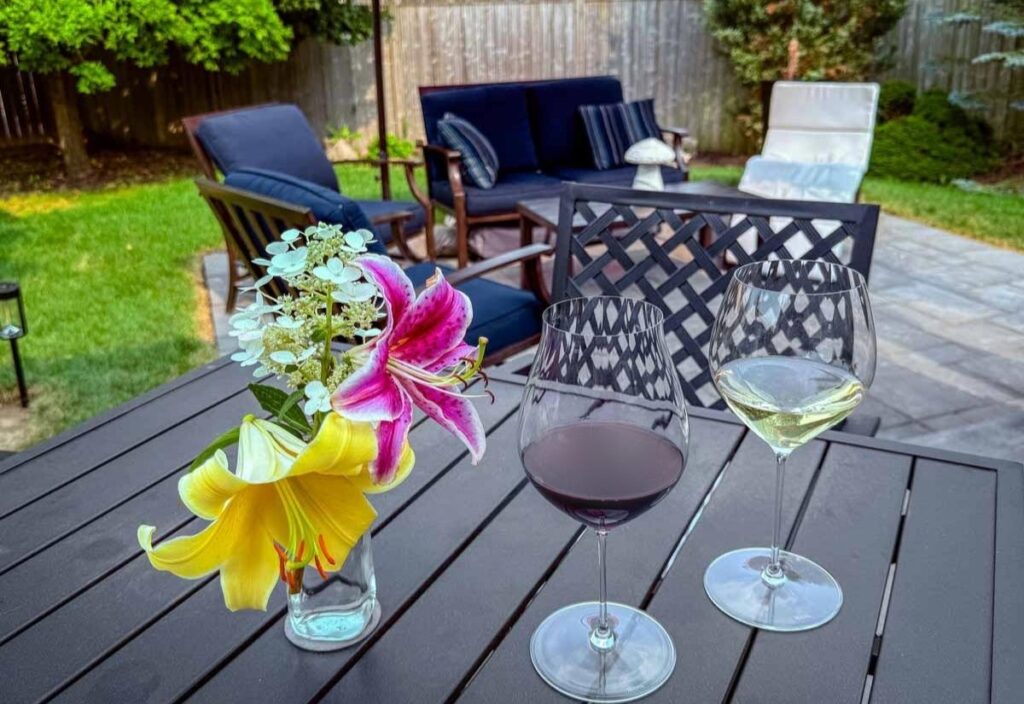
From label decoding to simple pairings, this guide has your back with practical advice drawn from winemakers, sommeliers and everyday enthusiasts. It’s not about memorizing vineyard names or swirling like a pro, but building confidence so you can enjoy a glass of wine without stress.
Wine 101: Quick sip breakdown
Tired of being talked down to or worried about getting an eyeroll when asking a question at a fancy wine boutique? Don’t worry, we’ve got you covered. With no textbook jargon and no deep sighs, here are the core details to help you figure out what’s in your glass and why it tastes the way it does. Whether you’re swirling red or popping a bottle of bubbly, here’s the lowdown in plain English.
Red
Red wine gets its color and tannins from fermenting with grape skins, which also infuses it with flavor and structure. Tannins, those natural compounds found in the skins, seeds and stems, are what create that dry, mouth-coating feeling that some people love and others avoid.
There are different red wines, and no one varietal is better than another. Cabernet Sauvignon is bold and structured, while Merlot leans soft and plummy with smoother tannins that make it easy to sip. Pinot Noir brings bright red fruit flavors and subtle earthiness, and Syrah or Shiraz adds a spicy, full-bodied character.
The best way to discover which you like best is to try. Grab a bottle of red, pay attention to what kind of grape it is made from and where it is harvested, and take a sip. Once you’ve picked a wine you like, it’s just as important to know how to serve it well.
Letting it breathe for a few minutes softens the tannins and brings hidden flavors to the surface, making each sip smoother and more enjoyable. Serve red wines slightly cooler than room temperature, between 62-68 degrees F, to bring out their full balance and flavor.
White
White wines are fermented without the skins, giving them a lighter appearance and crisper flavor that’s often more approachable for new drinkers. Their flavors can range from the citrusy snap of Sauvignon Blanc to the rich vanilla warmth of an oaked Chardonnay, which creates options for every kind of palate. Again, the best way to discover which you like best is to sample a few different kinds of white wines.
White wines should be served slightly warmer than fridge temperature, between 49-55 degrees F, to bring out those details with more depth. This temperature range allows aromas to open up and textures to feel rounder, helping fruity and creamy profiles shine with clarity and balance.
Rose
A brief soak of red grape skins with the juice is what gives rose its signature blush tone and subtle tannin structure. That limited skin contact also brings out juicy, red-fruit flavors like strawberry, raspberry and watermelon that keep the wine bright and refreshing. Combined, these qualities make rosé appealing to both casual drinkers and seasoned wine fans alike.
Thanks to its light body and zippy acidity, it’s incredibly versatile at the table and beyond. That balance helps it cut through spice, tame salt and even lift creamy dishes without overwhelming them. Served chilled with grilled veggies, cheeses or tacos, it becomes the laid-back crowd-pleaser that suits almost any casual gathering.
Sparkling
Sparkling wine earns its fizz through a second fermentation, which traps carbon dioxide bubbles inside the bottle and gives it its signature bubbles. Styles range from bone-dry Brut to dessert-sweet Demi-Sec, so checking the label helps you choose a bottle that matches your taste.
Champagne may be the most famous, but Cava and Prosecco deliver similar sparkle at a friendlier price point. These styles use different grapes and production methods, yet they still offer that signature bright acidity and lively finish that makes bubbly so appealing. Their versatility also makes sparkling wine a natural match for salty snacks, think popcorn, sushi or even fries.
How to read a wine label
“Wine labels can look like they require a PhD to decode, especially since every region has its own set of rules. But don’t let that intimidate you. Start simple: look for the grape variety. It’s your first real clue to the flavors you can expect in the glass,” sommelier Javier Rocafort of Uncorked Vines advises. Understanding varietals gives you a practical way to navigate any shelf, especially when you’re new to regional differences.
Producer or brand
The producer is often the most prominent name on a wine label, acting as your first clue to what’s inside and how it might taste. While some producers focus on a single grape or style, others experiment across a broader range, offering everything from crisp whites to bold reds. Learning which names align with your preferences makes wine shopping feel less like guesswork and can help you become a more confident wine buyer.
Grape varietal or appellation
In New World wines, like those from the U.S., Australia or Chile, you’ll usually see the grape name, like Merlot, Chardonnay or Zinfandel, printed clearly on the label. This makes it easier to understand exactly what’s inside the bottle, even if you’re new to wine.
Old World wines, on the other hand, like those from France or Italy, take a different approach by labeling based on region, which often reflects tradition and terroir more than the grape itself. Learning that Sancerre means Sauvignon Blanc or that Rioja usually signals Tempranillo helps bridge those regional clues into grape knowledge you can use. If this feels a little too advanced, don’t worry. Stick with what you like and when you’re ready, branch out.
Vintage
Vintage tells you the year the grapes were harvested, and that one detail can significantly shape how a wine smells, tastes and feels. Warmer, drier seasons often produce riper, fuller-bodied wines, while cooler years tend to yield lighter, more acidic ones. Comparing vintages of the same wine can help explain why one bottle might feel rounder or more vibrant than another.
Alcohol by volume or ABV
ABV reflects how much alcohol is in the wine, typically ranging from 11-15%, and it plays a big role in how a wine feels and finishes. Wines on the higher end tend to feel fuller-bodied and can give a warming sensation as you sip, while fortified wines like Port or Sherry go even further, with ABVs climbing as high as 20%.
If you’re after something lighter and easier for casual sipping, look for options with an ABV around 12.5% or less. This lower alcohol level tends to feel more refreshing and gentler on the palate, especially in warm weather or over a long meal.
Bonus clues
Terms like estate-grown, old vines or barrel aged can hint at quality or a specific production method, though not all are strictly regulated across wine regions. These phrases often suggest that extra care or traditional techniques were used, but they’re best interpreted alongside your own tasting experience. Labels might also include organic certifications or notes on sulfite content, which can be useful if you have sensitivities or prefer minimal-intervention wines.
The right glass makes a difference
Coffee cup wine never tastes as good as it does from a gorgeous glass. The shape, size and clarity of your wine glass can shape the entire drinking experience by influencing how the wine smells, tastes and feels. Choosing a well-proportioned glass is about making sure the wine shows up as intended, from aroma to finish.
Why shape matters
Different glass shapes serve different purposes, with wider bowls giving reds room to breathe, while narrow rims help preserve the crisp aromas in whites. Sparkling wines stay livelier longer in flutes or tulip-shaped glasses, which capture bubbles and lift aroma. These small design differences can enhance flavor and make the wine more expressive.
What thoughtful glassware does
Well-made glasses focus on functionality more than flair, supporting the wine instead of competing with it. A thoughtfully designed glass helps showcase the wine’s best traits, from aroma to texture, without needing to be flashy or expensive.
Affordable yet well-crafted options, like those offered by Riedel, give everyday drinkers access to professional-level glassware without overcomplicating things. Their focus on shape and balance demonstrates how design can subtly enhance enjoyment, proving that you don’t need a full collection to feel like you’re sipping something special.
Storing and opening like a pro
You don’t need a cellar or fancy corkscrew to get it right. With a few small tricks, you can store, chill and open wine like you’ve been doing it for years. No spills, no spoiled bottles, just smooth pours and confident moves.
Storing wine
Wine loves stability, and storing it properly can make a meaningful difference in flavor, longevity and overall enjoyment. Keep bottles on their side in a cool, dark place between 45-65 degrees F, and maintain 60-70% humidity to keep corks moist and seals tight. This balance of temperature and moisture helps wine maintain its integrity, whether you’re aging a bottle or saving it for next weekend.
Chilling wines
Getting the temperature right unlocks a wine’s full flavor, especially for styles meant to be served chilled. Whites and rosés perform best between 45-55 degrees F, a range that keeps them crisp, aromatic and refreshing without muting their flavor. If you’re short on time, a quick soak in an ice bucket with water and salt chills the bottle faster and more evenly than a freezer.
Opening with confidence
Opening wine doesn’t need to feel intimidating, especially when you’re just starting out. Screwcaps are the easiest: just twist and pour without needing any tools or technique. Corks take a bit more effort, but a basic corkscrew and steady hand will do the job without fuss.
What’s next? Go buy a bottle of wine
This is the fun part: putting your new know-how to the test. Head to your favorite local shop or grocery aisle, and pick a bottle that speaks to you. The more you explore, the better your taste becomes, and soon enough, buying wine will not feel like a guessing game.
Pick a grape
Start with a varietal you’ve heard of, like Pinot Noir, Chardonnay or Cabernet. It’s the fastest way to find something familiar, and it gives you a solid starting point for exploring what you like.
Stick to your budget
Look for wines from broad regions like California or South Eastern Australia. They’re often more affordable, still full of flavor and great for experimenting without overspending.
Skip the hype
Ignore medals and wine scores, as they don’t guarantee you’ll like the wine. Instead, trust your taste and pay attention to what flavors you naturally enjoy. After all, those scores reflect someone else’s palate, not yours.
Ask for help
Tell a wine shop staffer or sommelier what you like, whether it’s dry, fruity or bold, along with your price range. They’ll use that information to guide you toward bottles that suit your preferences and fit your budget. Don’t be shy, as they usually enjoy helping beginners and can even share tips you won’t find on the label.
Trust your pick
You don’t need to impress anyone with your wine choice. If it tastes good to you, that’s the only thing that matters, and your confidence will grow from there. Every bottle you try teaches you something new, and that learning curve is part of the fun.
Confidence in a glass
Wine doesn’t have to be complicated, and it definitely doesn’t have to be pretentious. What once felt like a sea of jargon and swirling pressure is now a space where casual sippers can actually have fun. By learning just a few basics, even a nervous first-timer can navigate a wine list or bottle shop with ease. Build your confidence with each pour, especially when the focus shifts from rules to real enjoyment.
Jennifer Allen is a retired professional chef and long-time writer. Her work appears in dozens of publications, including MSN, Yahoo, The Washington Post and The Seattle Times. These days, she’s busy in the kitchen developing recipes and traveling the world, and you can find all her best creations at Cook What You Love.