
Some foods that feel unmistakably American were shaped by recipes, ingredients, and cooking traditions from somewhere else. Some arrived from abroad and changed over time, while others took their familiar form in the United States. Here are 11 classics with roots that stretch well beyond the U.S.
Apple Pie
Apple pie was part of European cooking long before it became an American symbol. One of the earliest recorded recipes dates to England in 1381 and included apples, figs, raisins, pears, and saffron. European colonists later brought domesticated apple varieties to North America, although native crabapples were already growing here, according to Smithsonian Magazine.
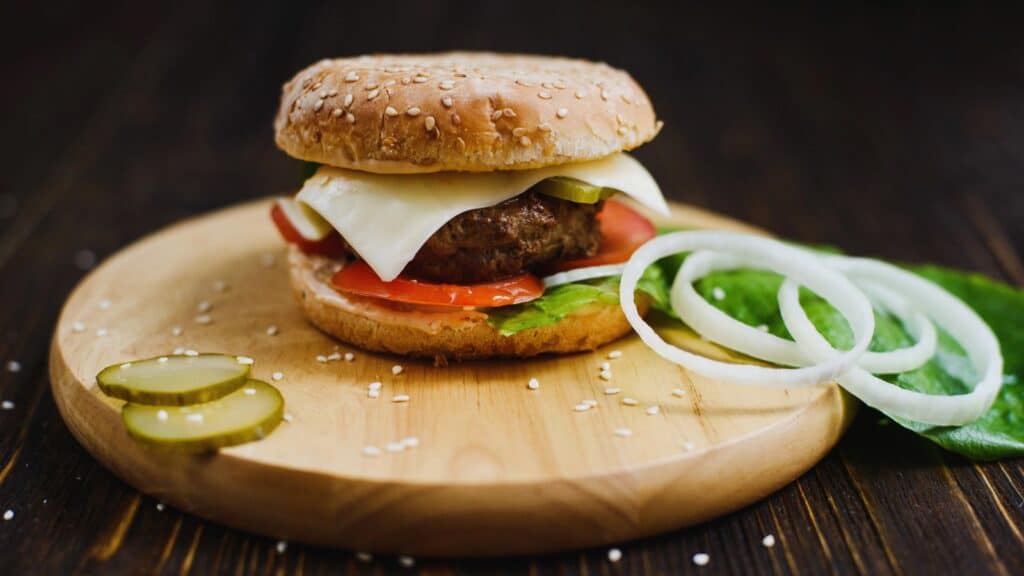
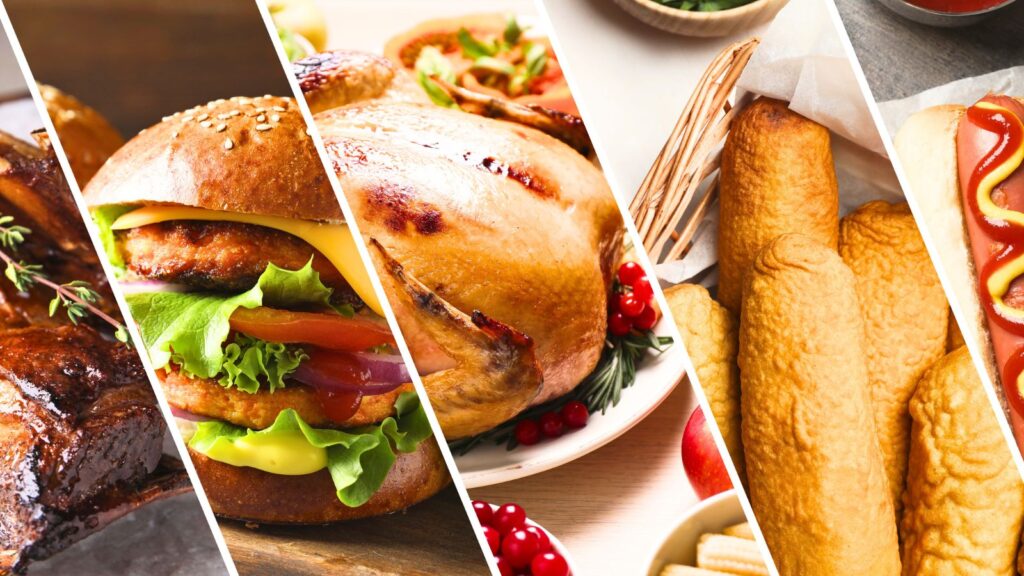
Hamburgers
Hamburg steak is one widely cited predecessor of the hamburger, but the exact lineage remains disputed. An 1884 American cookbook described Hamburg steak as pounded beef. As ground beef became more common, several cooks and vendors were credited with serving it between bread, and Smithsonian Magazine notes that historians still disagree over who did it first.
Hot Dogs
The hot dog grew from European sausage traditions rather than one single foreign invention. Frankfurters and wieners are linked to Frankfurt and Vienna, while German immigrants brought related sausage-making traditions to the U.S. Smithsonian Magazine traces how bun-wrapped sausages became popular in New York and evolved into the familiar American hot dog.
French Fries
The origin of French fries is still disputed. One popular Belgian story traces them to villages along the Meuse River, while another theory points to fried potatoes sold by Paris street vendors in the late 18th century. National Geographic discusses both stories. Belgium has promoted its fry culture, but fries themselves are not separately listed by UNESCO as Belgian intangible heritage.

Doughnuts
The American doughnut has strong Dutch roots. Dutch settlers in New Amsterdam made fried cakes called olykoeks, or “oily cakes,” although fried-dough traditions existed in many cultures. Smithsonian Magazine describes the doughnut’s American history as complicated, with a major milestone arriving in 1920 when Adolph Levitt developed a doughnut-making machine in New York.
Ketchup
Ketchup began far from the tomato condiment Americans know today. Its name traces through Southeast Asian languages to Chinese terms linked to a fermented fish-based sauce. Europeans later made their own versions. Smithsonian Magazine notes that the first known published recipe for tomato ketchup appeared in 1812 in a work by James Mease.
Coleslaw
Coleslaw comes from the Dutch koolsla, meaning “cabbage salad.” Merriam-Webster documents cold slaw as an early American form, so the name did not simply result from mispronouncing “cole.” Seasoned cabbage dishes existed in ancient Rome, but those are better viewed as evidence of an older cabbage-salad tradition rather than direct ancestors of modern coleslaw.
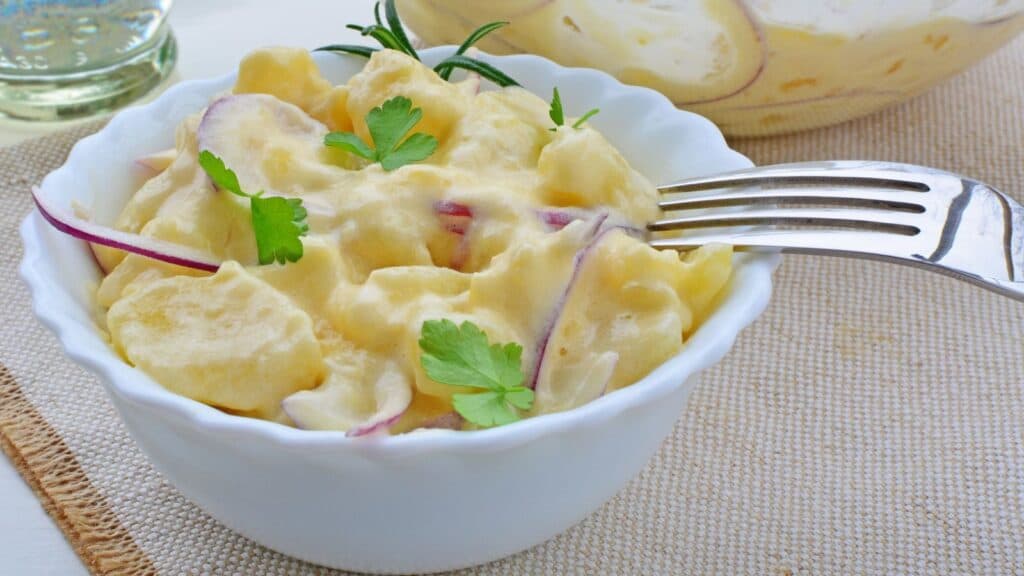
Potato Salad
Potato salad’s story begins with potatoes traveling from the Americas to Europe in the 16th century, not with explorers carrying potato salad itself. Smithsonian Magazine traces that broader journey. German immigrant cooking later influenced American potato-salad traditions. Mayonnaise was already used in U.S. cooking by the late 1800s, before commercial brands helped popularize creamy versions.
Deviled Eggs
Stuffed and seasoned egg dishes existed long before modern deviled eggs. Ancient Roman cookery included seasoned boiled eggs, while a 13th-century Andalusian cookbook described halved eggs refilled with seasoned yolks. Those dishes were precursors. Fannie Farmer’s 1896 Boston Cooking-School Cook Book included an “Egg Farci” recipe resembling modern stuffed eggs and allowing mayonnaise in the filling.
Macaroni and Cheese
Macaroni and cheese became an American staple, but pasta-and-cheese combinations were eaten in Europe earlier. While traveling in Europe, Thomas Jefferson recorded how macaroni was made by machine in Italy, and his French-trained chef James Hemings later helped bring European cooking traditions into Jefferson’s American kitchens. Smithsonian Magazine traces how those influences became part of early American food culture.
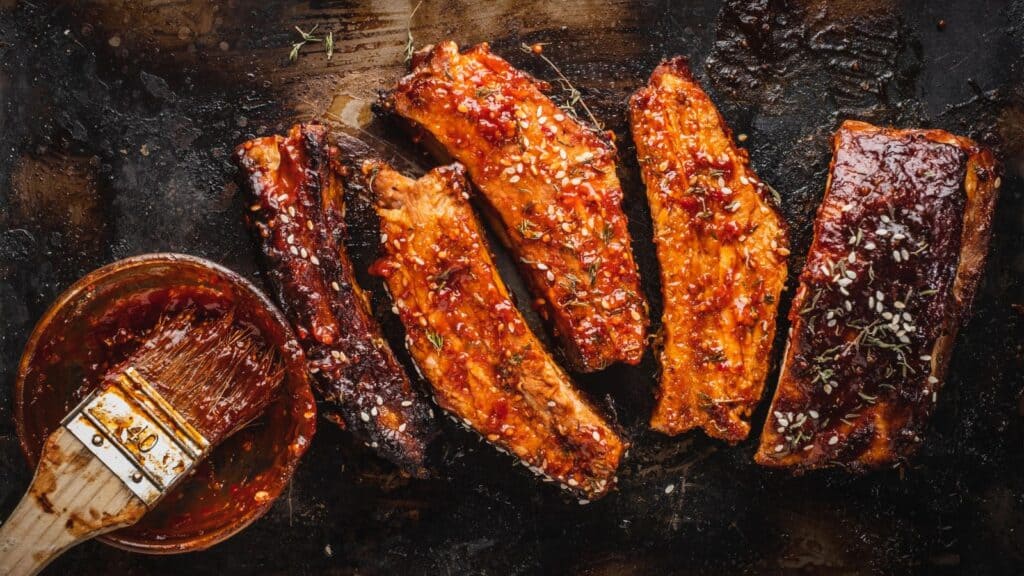
Barbecue
American barbecue has deep regional roots, but part of its history reaches into the Caribbean. Indigenous people used cooking methods that Spanish explorers described with the term barbacoa. Smithsonian Magazine explains how related techniques later mixed with Indigenous, African, British, German, French, and other traditions to shape regional barbecue styles in the United States.
The Bottom Line
American food history is full of adaptation. Recipes, ingredients, and cooking traditions crossed borders and changed in the United States, creating many of the dishes now treated as American classics.