
Passport wait times just dropped to their lowest point in years. The State Department is processing record volumes of applications, and turnaround times are falling right alongside that growth instead of climbing with it. That combination catches most travelers off guard, since a shrinking line at a federal agency isn’t exactly the plot twist anyone expected this year.
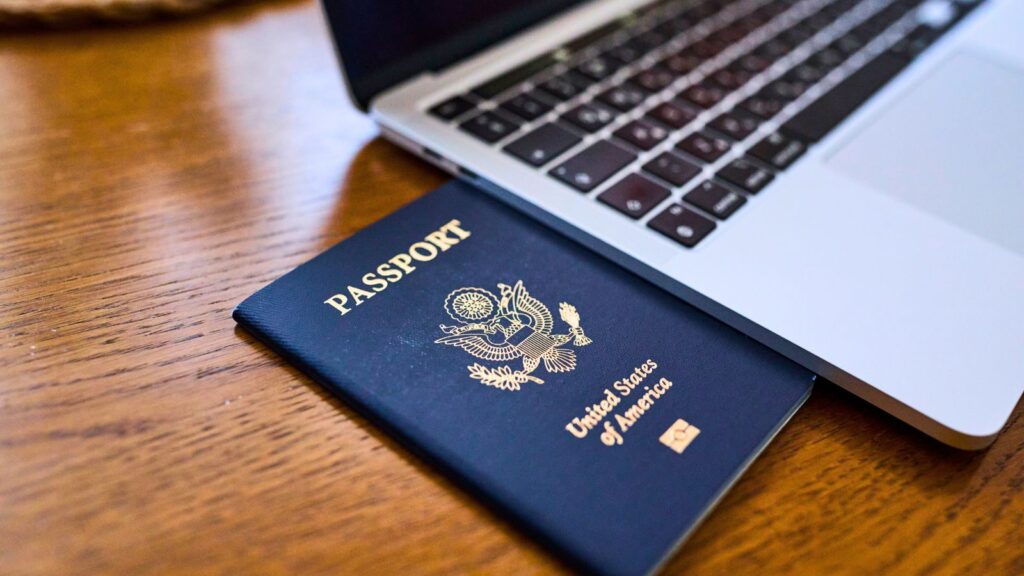
Two records are moving in opposite directions at the same federal office, and that almost never happens. More people are applying for a first passport or renewing on schedule than ever before, yet the department says the routine wait is now shorter than it has been in years.
First-time applicants make up a growing share of that line, right alongside longtime holders simply renewing every ten years. Most of them aren’t frequent flyers with the system memorized. They’re regular people who apply once a decade and learn how the process works by living through it.
Record Demand Meets Record Speed
The State Department issued more than 27 million passport books and cards last fiscal year, its highest volume yet. At the same time, routine processing now runs four to six weeks, the fastest pace in years.
Passport ownership has climbed from about 5% of Americans in 1990 to roughly half the country today. That growth means a passport now works as a default document for most households, not just an occasional-traveler perk.
The agency has also automated much of the busywork that used to slow down every application, cutting small repetitive manual steps one at a time until the combined effect showed up in faster processing overall, even as the applicant pool kept growing.
Paid Expediting Sites Tell A Different Story
Private passport-expediting companies publish their own turnaround estimates and often charge extra fees on top. The government’s own processing page is the better benchmark for a routine application, since expediting companies make money when travelers pay to speed things up. That gives them a reason to describe the standard process as slower and riskier than it currently is.
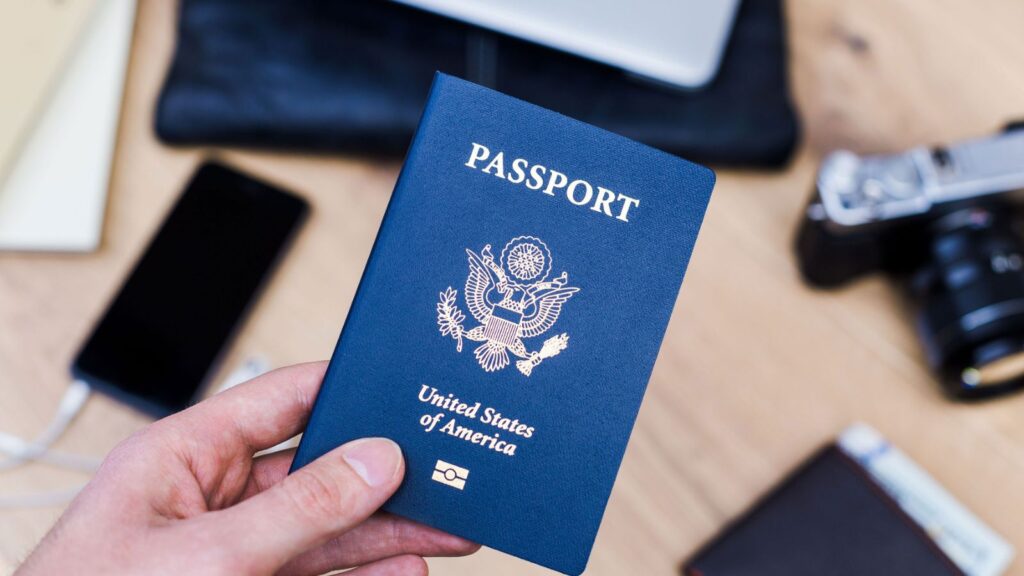
One quick way to spot the difference is to notice what comes right after the wait-time estimate. A site that pairs its number with a paid upsell has a reason to make that number look worse than it actually is. The government’s own page carries no such offer, just a number and a dated timestamp. When the two disagree, the source with nothing to sell is worth trusting more.
Time Your Application Right
Mailing an application in early spring, before the summer travel crunch, clears the current four-to six-week processing window with room to spare on both ends of the mail. The department’s busiest stretch runs from late winter through summer, and officials say they have no reason to expect demand to ease up as international travel keeps climbing.
For most trips still more than two months out, routine processing is the smart default. Save the expediting fee for a trip that’s closer than that, or for a plan that changes suddenly, not as a hedge against a wait time that, for now, isn’t actually the problem most people assume it is.