
Charlotte, North Carolina, nicknamed the Queen City, pairs the courtesy of a small Southern town with the scale of a major financial center, the country’s second-largest banking hub. The neighborhoods South End, Ballantyne, NoDa, Uptown, Plaza Midwood and Elizabeth each have a different character built from their own restaurants, breweries, museums and historic architecture. The differences between them are becoming more pronounced, not less, even as new development continues to change parts of the city.
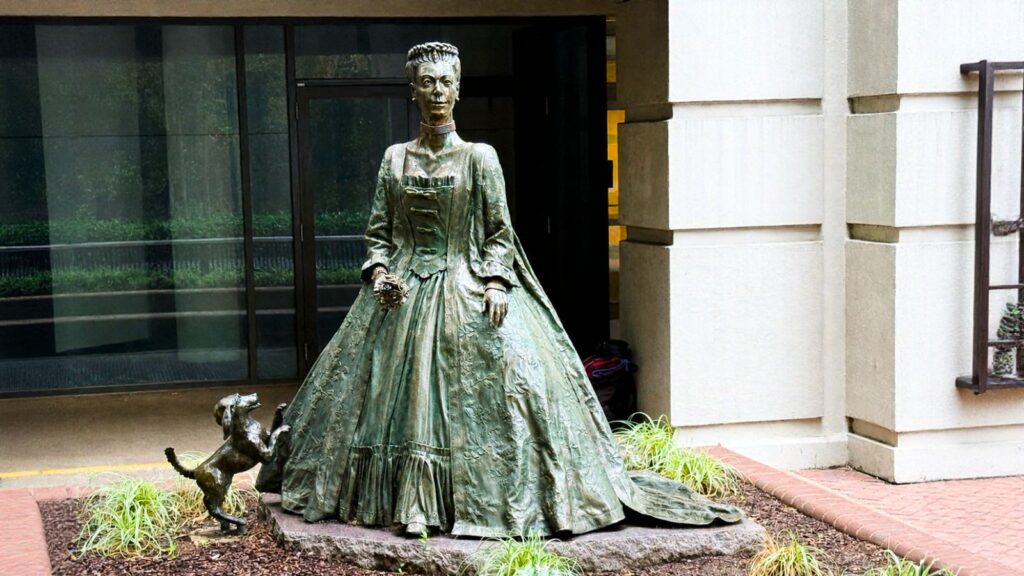
These six neighborhoods are not arbitrary picks. Each appears on the Charlotte Regional Visitors Authority’s own list of neighborhoods worth exploring, a distinction most of the city’s residential subdivisions don’t share. Charlotte has steadily added residents and businesses for more than a decade, and that growth has pushed each of these neighborhoods in a different direction. Some are rebuilding around new retail and dining districts, while others are preserving an established creative or historic character while updating what fills their storefronts.
Record visitor spending across the region
Visitor spending in Mecklenburg County, which includes Charlotte, reached $6.47 billion in 2025, up 1.5% from 2024 and the highest total of any county in North Carolina. The county accounted for more than 17% of all visitor spending statewide. The six neighborhoods below show some of where that growth is showing up on the ground.
South End’s restaurant and brewery boom
South End has grown from a light rail corridor into one of Charlotte’s busiest dining and entertainment districts, with new restaurants opening alongside an already dense lineup of breweries. The South End Farmers Market, held Saturdays at Atherton Mill, is one of several draws in a neighborhood with a growing restaurant and brewery scene.
“It’s grown into one of the city’s best neighborhoods for food and entertainment,” said Darcey Olson, a longtime Charlotte resident and founder of Cleared for Departure. Olson said the area now draws a mix of locals, newcomers and visitors, a combination she credits with keeping new restaurants and attractions coming.
Ballantyne emerges as a dining destination
Ballantyne is not a traditional Charlotte neighborhood like South End or NoDa, but it has changed just as fast. The Bowl at Ballantyne, a 20-acre dining, retail and entertainment district in south Charlotte, opened with Olde Mecklenburg Brewery as its anchor tenant and has since added North Italia, Flower Child and Rooster’s Wood-Fired Kitchen. An outdoor amphitheater, The Amp, and a 6-acre park called Stream Park round out the development.
“It’s transformed immensely over the last five years,” said Olson, who called The Bowl at Ballantyne a big reason the area has become a regular stop for her. Olson said the development brought restaurants, breweries, live music and shops together in one spot, giving Ballantyne a new identity as a Charlotte destination.
NoDa holds onto its identity
NoDa was already one of Charlotte’s more established entertainment neighborhoods when Olson moved to the city five years ago. Originally a textile mill village, the neighborhood became Charlotte’s arts district in the 1990s, when cheap rents drew artists and musicians and turned twice-monthly gallery crawls into a local ritual. That bohemian streak still shows in NoDa’s murals and unhurried pace, even as many of the old studio spaces have since given way to restaurants, breweries and bars.
The neighborhood’s restaurant lineup includes The Goodyear House, which serves updated Southern comfort food in a restored 1900s mill home. Popular with both tourists and locals, there’s plenty of shaded outdoor space and a homey vibe that meshes well with NoDa. Ever Andalo, an Italian restaurant named to the Michelin Guide’s 2025 American South recommended list, is a perfect spot for a leisurely brunch. Panko Peruvian, known for its ceviches, loin bonbons and spectacular dish presentations, has also drawn attention to the area’s growing international food scene.
“NoDa still feels noticeably different from newer areas like South End and Ballantyne,” Olson said.
Uptown carries Charlotte’s arts scene
The Levine Center for the Arts sits at the center of Uptown’s museums and performance venues, housing the Bechtler Museum of Modern Art and the Mint Museum. The district was known as Uptown until about 1929, when residents began calling it downtown; the city council restored the Uptown name officially in 1974.
A stay at the Kimpton Tryon Park Hotel puts that mix within walking distance. The boutique hotel’s rooftop bar, Merchant & Trade, sits 19 stories above Romare Bearden Park. It’s an award-winning rooftop space, and a popular pick for happy hour or late-night gatherings.
Beyond the hotel and museums, Uptown’s food scene draws visitors on its own. Restaurants and food stops across the district are regularly featured on the Taste of Carolinas Food Tour, a walking tour that takes visitors past several Uptown kitchens and food artisans over roughly two and a half to three hours. There’s no better way to take the pulse of a neighborhood than with a food tour, and this one is excellent.
Plaza Midwood blends old and new
Plaza Midwood, a former streetcar suburb, mixes historic homes and century-old trees with graffiti-covered consignment shops and a growing list of breweries, bookshops and barbecue joints. Lunch at Midwood Smokehouse leans into the neighborhood’s barbecue side, with smoked brisket, ribs and sides like mac and cheese, hushpuppies and Bradford Farms collards. It’s all made from scratch here, and even the pickles are homemade and delicious.
Elizabeth displays its history
Elizabeth, just east of Uptown, was Charlotte’s second streetcar suburb, developed starting in 1891 around Independence Park, the city’s first public park. Its Victorian, Colonial Revival and Craftsman homes earned the neighborhood a spot on the National Register of Historic Places in 1989, and it remains largely residential even as restaurants have moved in along its edges.
It has its own standout restaurants, including Customshop, which holds a Michelin Recommended distinction. The restaurant draws on local farms and purveyors under chef Andres Kaifer, who blends Latin and Italian flavors into crave-worthy meals.
A pattern that could hold
These six neighborhoods suggest that growth isn’t concentrated in a single tourist core. It shows up instead in pockets of the city that have each taken a distinct path, from Ballantyne’s newly built retail district to Elizabeth’s century-old streetcar-suburb architecture. That distribution suggests the city’s growth is not erasing what makes each neighborhood different, at least for now.
As Charlotte continues to add residents and investment, that balance is likely to be tested. But for now, a visitor can move between South End, Ballantyne, NoDa, Uptown, Plaza Midwood and Elizabeth in a weekend and experience six different versions of a city that look, feel and taste different.
Jennifer Allen is a retired chef turned traveler, cookbook author and nationally syndicated journalist; she’s also a co-founder of Food Drink Life, where she shares expert travel tips, cruise insights and luxury destination guides. A recognized cruise expert with a deep passion for high-end experiences and off-the-beaten-path destinations, Jennifer explores the world with curiosity, depth and a storyteller’s perspective. Her articles are regularly featured on the Associated Press Wire, The Washington Post, Seattle Times, MSN and more.