
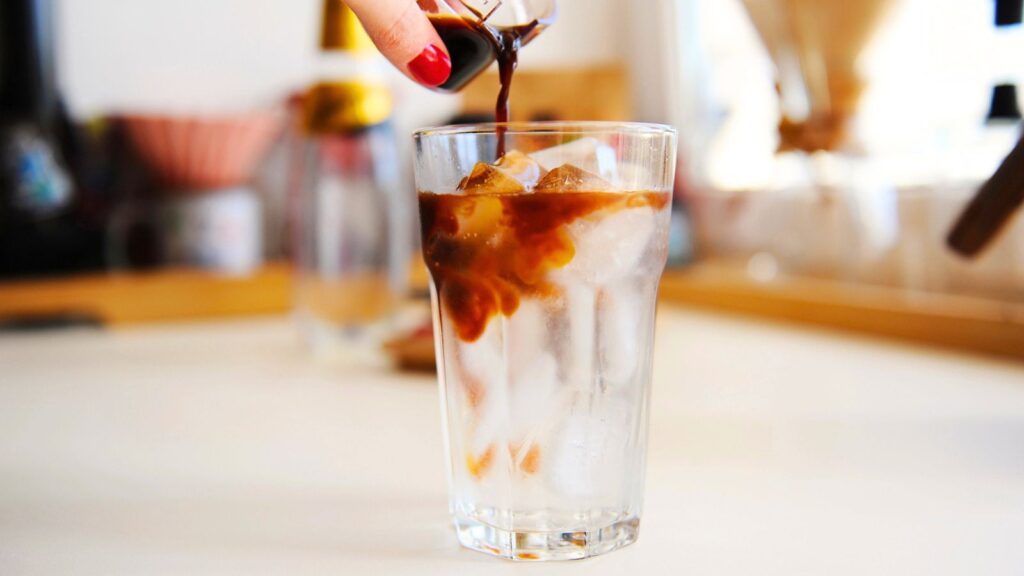
Americans are reaching for a coffee drink made with espresso, tonic water and nothing else. The espresso tonic bets everything on bitterness and carbonation, skipping the milk and the syrup most American coffee menus are built around. New data on how Americans drink coffee and a wave of flavor-industry forecasts both point in the same direction: the appetite for complexity is outpacing the appetite for sweetness.
This post may contain affiliate link(s). As an Amazon Associate, I earn from qualifying purchases. See Disclosures.
Two layers of bitter make the drink’s core appeal, one from the quinine in tonic water and the other from the espresso itself. When the hot shot hits the cold carbonation, those flavors push against each other without backing down. The tonic can bring its own sweetness depending on the brand, but the drink’s identity lives in the bitter-forward contrast, not in sugar or cream. It is built for drinkers who want intensity and structure in their coffee, and there are far more of them now than there were even four years ago.
Espresso-based drinks drive American coffee’s growth
Espresso-based beverages climbed from 40% of Americans’ past-week coffee consumption in 2022 to 45% in 2026, with lattes rising from 17% to 21% and straight espresso from 16% to 20%. Past-week specialty coffee consumption rose from 53% to 58% over the same period, a five-point increase. The growth skews young. Among 25- to 39-year-olds, 69% had specialty coffee in the past week.
That age group is choosing coffee for taste, not just caffeine. The same research found that 35% of past-day specialty coffee drinkers say flavor is part of what makes a cup feel like specialty. The most popular flavors are still sweet ones: chocolate, caramel, brown sugar and vanilla. But the espresso tonic sits at the other end of the flavor spectrum, and the fact that espresso-forward formats are the category’s growth driver suggests the palate is widening, not just sweetening.
The flavor industry sees the same direction
Across the broader food and beverage world, flavor forecasters have been naming bitter and complex profiles as a defined commercial direction for 2026. One 2026 flavor forecast identifies a rising category called switter, the pairing of sweet with bitter, with dark chocolate, coffee and citrus peel as the ingredients driving it and Gen Z’s appetite for bold experimentation as the momentum behind it.
Separately, a North American flavor trend forecast flagged tiramisu as the year’s top predicted flavor. It pointed to the interplay of espresso bitterness, mascarpone and cocoa as a profile that indicates a growing appetite for cafe-inspired indulgence.
Bitter is a growing direction across the broader beverage category, though it sits alongside sweet and savory as part of a wider move toward layered flavor. A separate flavor outlook for 2026 referred to grapefruit, cascara, chinotto, cacao shell and gentian as ingredients having a moment and described bitter notes as introducing restraint and structure to low-sugar product innovation, calling sweet fatigue a real factor in how the industry develops new drinks.
The espresso tonic is the proof point in the glass
Three independent flavor-industry reports from three different companies all describe movement toward bitterness, though none of them name the espresso tonic specifically. The drink illustrates what those forecasts look like in practice. Its construction leans into espresso’s natural bitterness and does not attempt to mask it. Tonic water’s quinine adds a dry, sharp bite, the carbonation gives the drink lift, and any sweetness from the tonic plays a supporting role. The flavor leads with bitter, and that is the draw.
The seasonal timing makes this more visible than it might otherwise be. Every August, major chains roll out fall lineups built on the same core bet: pumpkin spice, caramel, brown sugar, cinnamon syrup. The espresso tonic did not need a seasonal variation to stay relevant through the summer and does not need one to carry into fall. Its appeal runs on flavor, not a calendar.
American coffee drinkers get more adventurous
Specialty coffee now accounts for 47% of all past-day consumption among American adults, surpassing traditional coffee at 42% and holding at a record high. Nearly 195 million Americans drink coffee every week, more than consume any other beverage, including bottled water. The audience for coffee that prizes flavor over formula has never been larger.
The espresso tonic is one visible example of where that audience’s tastes are heading, not the whole picture. Flavor-industry data suggests what follows will move further toward complexity, layered contrast and drinks that ask the palate to do more work. American coffee spent years being defined by what gets added to it. The more interesting question now is what happens when the cup gets simpler.
Mandy Applegate is the creator behind Splash of Taste and seven other high-profile food and travel blogs. She’s also the co-founder of Food Drink Life Inc., a unique and highly rewarding collaborative blogger project. Her articles appear frequently on major online news sites, and she always has her eyes open to spot the next big trend.