
Food rules can change fast at a state line, but the details matter. Some laws block a food itself, while others target how it was made, where it was caught, or how it is sold. These nine examples show why a food can be legal to sell under one set of rules and prohibited under another.
Foie Gras From Force-Fed Birds
California law bars the sale of a product made by force-feeding a bird to enlarge its liver beyond normal size. That covers the method used for some foie gras. The rule is not a total ban on every foie gras order. In 2022, the Ninth Circuit confirmed an exception for some out-of-state sales. Online, phone, and fax orders can qualify when title passes outside California.
Horse Meat
California takes a more direct approach to horse meat. State law says horse meat may not be offered for sale for human consumption. Restaurants, cafes, and other public eating places may not offer it either. The rule dates to a 1998 voter measure and is still part of the California Penal Code.
Wild-Caught Texas Redfish
Red drum, often called redfish, is protected from ordinary commercial sale in Texas. State law bars buying, selling, and holding red drum for sale. There are exceptions for Texas commercial aquaculture and certain licensed imports. Anglers may still catch red drum within state limits, but a wild Texas catch cannot simply become restaurant or market stock.
Wild-Caught Ohio Turtle Meat
Ohio generally bars the sale of wild-caught reptiles and amphibians but makes a narrow food-sale exception for documented snapping and softshell turtles. Reptiles and amphibians taken from the wild in Ohio generally can’t be bought, sold, bartered, or traded, but state rules carve out an exception for legally obtained snapping and softshell turtles that come with documentation, such as a bill of sale or receipt, and are sold solely for food. That means the source and the paperwork both matters.
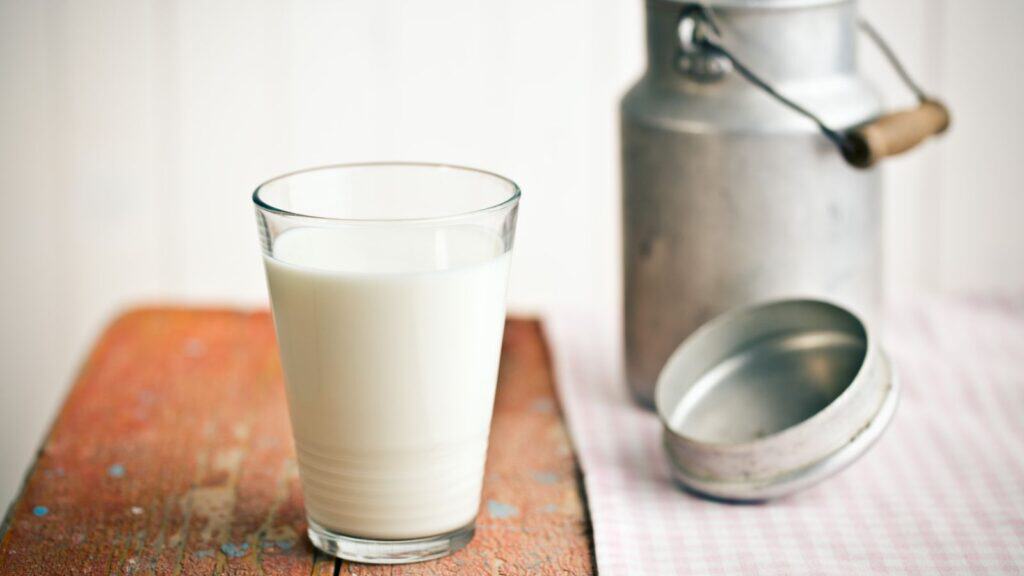
Raw Milk in New Jersey
New Jersey bars the sale of unpasteurized milk or cream to the final consumer. The state health department also says raw milk products cannot be sold at retail, apart from properly aged raw-milk cheese. Qualifying raw-milk cheese aged for at least 60 days is treated differently under state law.
Powdered Alcohol in Virginia
Virginia law is very clear about alcohol in powdered or crystal form. No one may buy or possess it, offer it for sale, sell it, or use it in the state. The rule applies to any product that has alcohol in powdered or crystal form. Breaking the law is a Class 1 misdemeanor.
Kangaroo Meat in California
Kangaroo meat hits another California ban. State law makes it unlawful to import kangaroo products for commercial use, hold them with intent to sell, or sell them in California. The rule covers the animal’s body plus any part or product made from it, which includes meat.
Snook in Florida
You can catch snook recreationally in Florida during open seasons if you follow the regional size and bag rules. Selling it is different. Florida’s current rules prohibit the purchase and sale of snook and bar ordinary commercial harvest. The state wildlife agency also tells anglers that no commercial harvest or sale of snook is permitted.
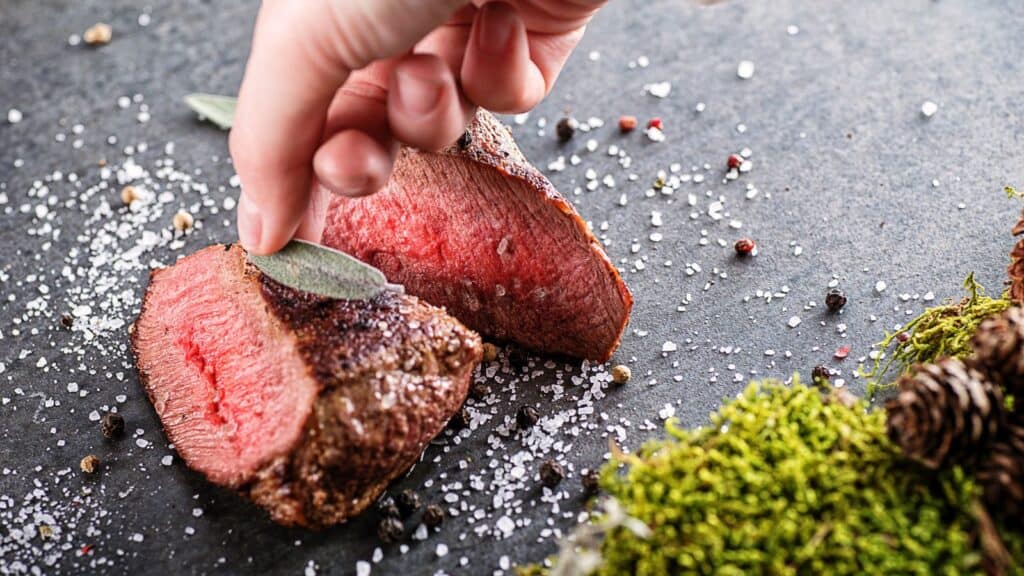
Wild Deer and Bear Meat in New York
New York hunters may take deer and bear during legal seasons. Selling the meat is another matter. State law says the flesh of deer and bear may not be bought or sold under the rules for wild game taken in New York. The same law allows certain no-charge nonprofit meals and charity donations, but those are not commercial sales.
The State Line Matters
The pattern is not that every state bans the same foods for the same reason. The key detail may be the animal, the source, the way it was made, or the kind of sale. A food that looks ordinary on one menu can face a very different rule after you cross a state line.