
Board games rarely get a farewell tour. One year a box is easy to find, and a few years later you are hunting through resale listings for a complete copy. Publishers can stop producing a title, leave an older edition behind, or bring a familiar game back in a new form. These nine games show how fast a once-familiar box can disappear from regular store shelves.
Feeley Meeley
Milton Bradley released Feeley Meeley in 1967. Players reached through openings in a cardboard box and tried to identify hidden plastic objects by touch, matching them to picture cards. The game is no longer in production, though it found an unexpected second life on screen as one of the artifacts shown in the 2019 horror movie Annabelle Comes Home.
Masterpiece
Parker Brothers launched Masterpiece in 1970, turning an art auction into a bluffing game. Players bid on paintings that could be valuable originals or worthless forgeries. Parker Brothers produced later editions, including versions in 1976 and 1996. Those editions are now sold mainly as out-of-print collectibles rather than current store-stock games.

Stay Alive
Stay Alive arrived from Milton Bradley in 1971 with a simple goal: keep your marbles from falling through the grid while sending your opponents’ marbles down. The original version was discontinued in the late 1970s. Winning Moves revived it in 2005, but that edition is also no longer in production.
Bermuda Triangle
Milton Bradley’s Bermuda Triangle dates to 1975, not 1976 as some later references suggest. Its signature feature was a magnetic mystery cloud that moved across the board and could pick up players’ ships. The original game is now cataloged as out of print, with surviving copies turning up through specialty sellers and collectors.
Dark Tower
Dark Tower was one of Milton Bradley’s most ambitious electronic games when it reached the market in 1981. Its rotating computerized tower tracked parts of the fantasy adventure. The game’s history also became tied to a trade-secret lawsuit brought by inventors Roger Burten and Allen Coleman. Decades later, Restoration Games created Return to Dark Tower as a sequel to the 1981 game, not as a reprint of the original.
Mystery Mansion
Milton Bradley released Mystery Mansion in 1984. Instead of exploring a fixed board, players built a Victorian mansion room by room while searching for clues and hidden treasure. The original boxed game is now out of print, so complete copies are generally found through resale and collectible-game sellers.
Dream Phone
Electronic Dream Phone debuted in 1991 from Milton Bradley. Players used a battery-powered toy phone to call fictional boys and gather clues about a secret admirer. The phone was part of the game, not a real telephone. The original edition is out of print today, making working copies a vintage-game find rather than a regular toy-aisle purchase.
Battle Masters
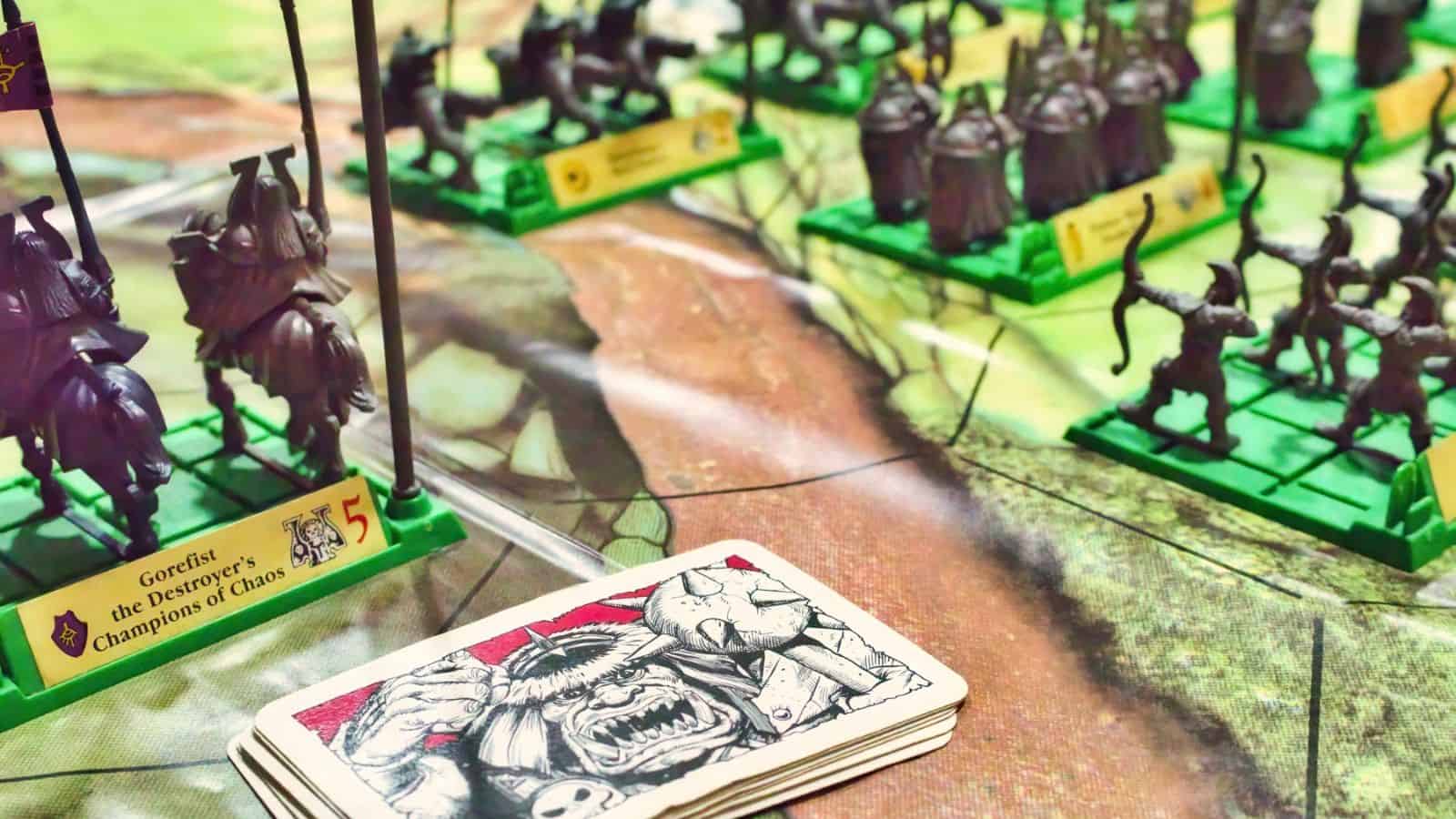
Battle Masters arrived in 1992 as a large-scale fantasy miniatures game from Milton Bradley. The box packed in armies of plastic figures and a huge battle mat. The original edition is out of print. Restoration Games later returned to the design with Battle Monsters, which the company describes as a restoration of Battle Masters with a new MonsterVerse theme.
Pretty Pretty Princess
Pretty Pretty Princess is the exception on this list. The jewelry-collecting game first appeared in 1990 and later went out of print. A Winning Moves edition followed in 2018, and the company is still selling Pretty Pretty Princess today. This one disappeared for a while, then found its way back to retail.
Some Games Find a Second Turn
A board game can vanish from new-product shelves without disappearing from memory. Used copies, collector listings, and modern restorations keep many older titles visible long after their original editions stop being made. Pretty Pretty Princess shows that even an out-of-print favorite can return when another publisher sees a reason to bring it back.