
Swanson’s first TV Dinner came in a cardboard box designed to look like a television set, complete with dials. That was 1953. The compartmented aluminum tray inside held turkey, gravy and peas and was built for a country that was discovering television. What’s inside those same compartments today would be completely unrecognizable to anyone who bought that first one.
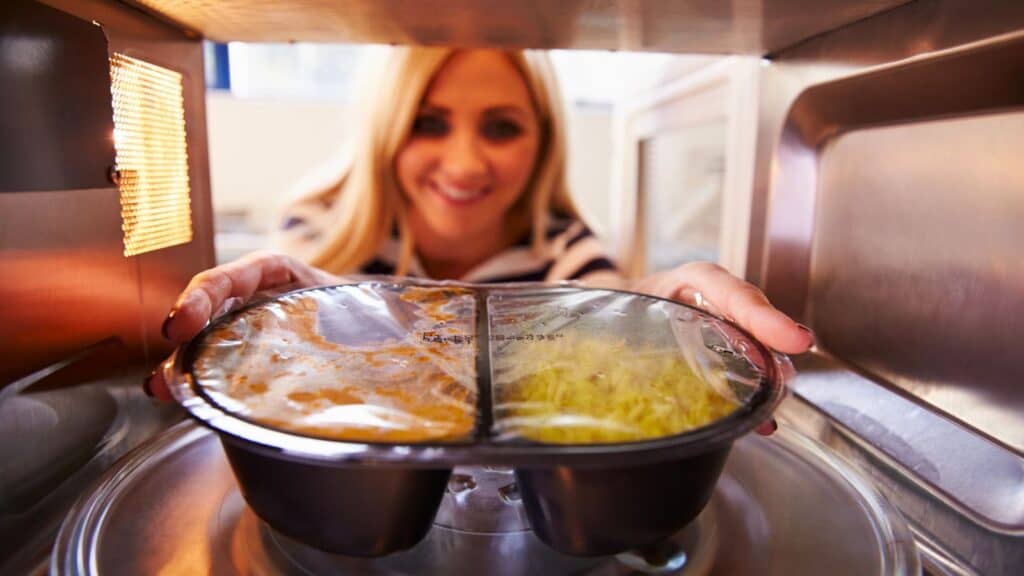
It cost around 98 cents per tray, and the timing could not have been better. More American women were entering the workforce while still being expected to get dinner on the table, and a complete meal that went from freezer to oven in 25 minutes solved that problem fast. The original tray now sits in the Smithsonian’s National Museum of American History, and National TV Dinner Day on Sept. 10 exists to commemorate that first grocery store appearance.
From ‘TV Dinner’ to Every Freezer in America
Swanson retired the name in 1962, but the format kept going. The aluminum tray was replaced in 1986 with microwave-safe plastic. A dessert compartment was added in 1960, making it a four-section tray, a design still common in single-serve frozen dinners today. Banquet, Stouffer’s, Marie Callender’s and Hungry-Man built their own versions of the same idea, and within a decade the freezer aisle had gone from one company’s experiment to a permanent section of every American supermarket.
The Tray Still Wins
Multi-serve frozen formats, including pizza, bagged meals and tray dinners, appeared in 11 billion eating occasions in 2025, up 29% from 2020. The food inside has changed dramatically, though. The original tray held what a 1950s housewife would recognize. Today that same compartmented format holds Korean-inspired chicken, Indian-style curries, spicy noodle dishes and restaurant-style pasta. As the U.S. food market has become more diverse, grocery demand followed, with what NielsenIQ tracks as multicultural food sales growing 12% in 2024, three times faster than total grocery sales.
Same Screen, Different Scroll
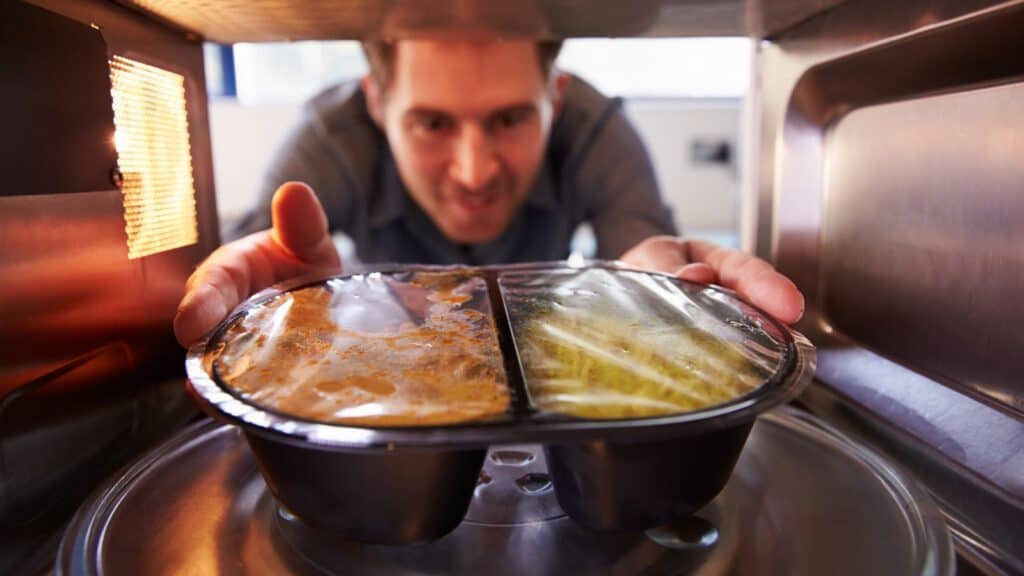
Swanson built the TV Dinner for people who wanted to eat in front of a screen. That has not changed at all. In a recent survey, half of Gen Z consumers reported turning to TikTok for food inspiration, and 36% said social media influences their frozen food purchases. The screen got smaller. The food got way more interesting.
What the Tray Got Right
The frozen food category now totals $93.5 billion in annual U.S. sales, with protein-packed meals, restaurant-inspired favorites, family-style solutions and all-day breakfast among its key growth areas. Swanson frozen dinners are no longer broadly sold in the United States, though they remain available in Canada. The format that started with turkey and peas is still in the freezer aisle, just with a very different menu.