
Frozen dinners are having a real moment, and this time they actually taste like it. The whole category traces back to a single fix Swanson cooked up in 1953, when a mountain of unsold Thanksgiving turkey needed somewhere to go, fast, and that fix became the format frozen food has run on for more than 70 years. Now the tray is getting a total overhaul, and it looks nothing like turkey and peas anymore.
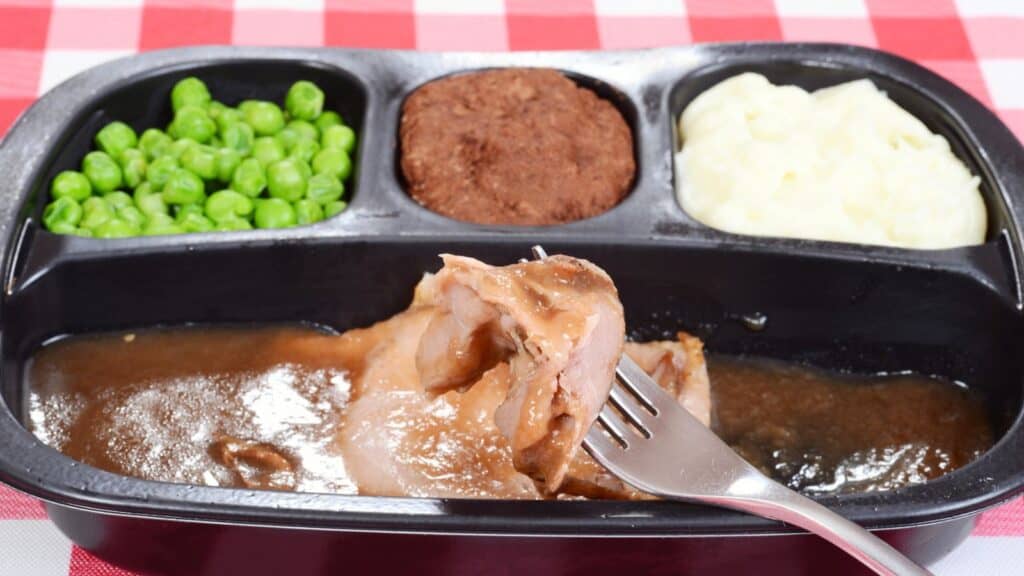
A Swanson salesman named Gerry Thomas is credited with the fix, repackaging surplus turkey into a three-compartment aluminum tray styled like a miniature television set, then selling it as dinner for people who’d rather watch TV than cook. Company lore has embroidered the story since, but the tray held on for decades on turkey, gravy, cornbread dressing, peas and sweet potatoes, simple food solving a simple problem for a long time.
The Tray Looks Nothing Like 1953
Conagra’s own product lineup shows where the tray is headed next, starting with Banquet’s pairing with Mike’s Hot Honey on a MEGA Bowl built around chicken mac and cheese, an idea inspired directly by fast food menu trends. Healthy Choice added a Power Bowl built around vodka chicken pasta, part of a wave of new meals the brand calls globally inspired, and Marie Callender’s built a Fried Chicken and Mashed Potato Bowl around sauces made from scratch.
The original tray’s single-note formula explains why the frozen food aisle now sits at $93.5 billion, with high-protein frozen meals alone generating $12 billion a year and growing at double-digit volume rates. Takeout-style frozen food brings in $14.3 billion annually, and multi-serve and value-size products now make up more than 40% of frozen aisle sales, meaning the format is feeding more people at once than the single-serve tray Swanson built the category around.
Whole Foods Says the Same Thing
Whole Foods named “Freezer Fine Dining” one of its official trend predictions for 2026, pointing to frozen arancini and pupusas as evidence that restaurant-quality food is showing up in the freezer case on purpose. The retailer’s trend council flagged specific examples worth watching, including crab rangoon from Laoban and birria quesadillas from Masienda, framing them as chef-inspired dishes that happen to come out of a home freezer instead of a restaurant kitchen.
The retailer’s read on the category is notable against a backdrop where U.S. retail food and beverage sales grew just 2.2% in the first half of 2026, which makes frozen’s growth in protein and restaurant-style formats stand out as its own story, not something riding the wider market’s coattails.
So next time you’re standing in the frozen aisle wondering if it’s worth it, it probably is. Grab something with a QSR-inspired bowl or a chef-designed dumpling and give it a real shot before defaulting to delivery. Seventy years after a trainload of unsold turkey turned into a marketing pitch, the tray isn’t asking you to settle anymore. It’s asking to replace your takeout order.