
Every year on Sept. 30, the world celebrates National Extra Virgin Olive Oil Day, which turns the attention to one of the kitchen’s most familiar and flexible ingredients. From sautéing vegetables and frying eggs to baking cakes and finishing a bowl of soup, extra virgin olive oil can take on far more roles than its usual place in a salad dressing.
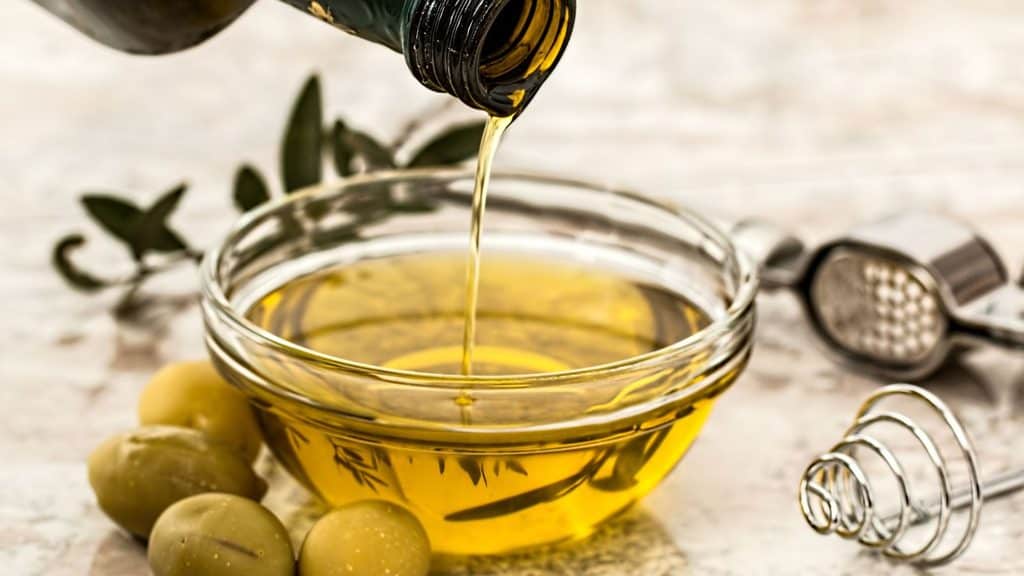
Extra virgin olive oil does more than provide a cooking medium. Its flavor can define a finished dish, its richness can replace other fats in certain recipes and its character can change depending on the olives, region and harvest behind the bottle. National Extra Virgin Olive Oil Day offers a reason to look beyond the numbers and reconsider what this pantry staple can actually do.
Although olive oil remains, as olive oil expert Joana Lourenço wrote in Food Inspiration, “one of the most underestimated ingredients in the kitchen,” its reach continues to grow. The International Olive Council projects global olive oil consumption will reach 3.44 million tonnes in the 2025 to 2026 crop year, which suggests that even as cooks are still learning to appreciate its character and flavor, the kitchen staple is finding a wider audience around the world.
More than just another cooking oil
Extra virgin olive oil is the highest grade of olive oil, made solely through mechanical or other physical methods and meeting strict chemical and sensory standards, which include free acidity of no more than 0.8%. But even within that category, no two bottles necessarily taste the same. Olive variety, growing conditions and production methods can shape an oil’s sensory profile, with EVOOs ranging from green and herbaceous to fruity, bitter and peppery. That range gives cooks something beyond a generic cooking fat: an ingredient that can actively affect the dish’s flavor.
That flavor makes extra virgin olive oil more than a neutral fat that simply carries other ingredients. A peppery oil can add bite to beans, grilled vegetables or soup, while a milder, fruitier variety can complement fish, fresh tomatoes or even desserts. Beyond the kitchen, olive oil can also serve as a carrier oil for essential oils, a reminder that its versatility extends beyond the dinner table. It’s a good addition to a home oil collection, alongside other oils like clove oil.
The versatility of extra virgin olive oil has deep roots in Mediterranean cooking. In Greece, it is used in salads, vegetables and for dipping bread; in Italy, it appears in dishes such as bruschetta pasta, and is often used as a finishing oil; and in Spain, it is used for everything from everyday cooking and frying to marinades, sauces and salads. Its role has continued to spread beyond the Mediterranean, where modern cooks are finding even more ways to use it.
Yes, extra virgin olive oil belongs in dessert
Extra virgin olive oil can do more than replace butter in a cake. Its flavor can become part of the dessert itself, bringing fruity, grassy or peppery notes to cakes, cookies, brownies, ice cream and other sweets. A Food & Wine roundup features 21 olive oil desserts, which include chocolate cake, olive oil ice cream, semifreddo, panna cotta and cookies, showing how widely pastry chefs use it beyond savory cooking.
The key is to choose an oil that works with the other flavors. A mild, fruity EVOO can complement citrus and stone fruit, while a more robust, peppery oil can bring depth to chocolate or become the finishing note on vanilla ice cream. That makes EVOO less of a butter substitute and more of a flavor ingredient in its own right. A Martha Stewart feature on the olive-oil-and-ice-cream pairing similarly points to the contrast between creamy sweetness and the richness of extra virgin olive oil.
The EVOO makeover
Olive oil is getting a modern makeover as brands experiment with formats, flavors and packaging designed to make EVOO easier and more appealing to use. A FoodNavigator report highlights olive oil shots, tiny olive oil pearls and brighter, flavor-forward bottles, with companies creating new ways to introduce the ingredient to consumers.
The changes also show up in everyday cooking. Filippo Berio introduced EVOO in spray-and-squeeze bottles, which give home cooks more control for everything from coating vegetables and air-fryer potatoes to drizzling salads and finishing soups. Other brands push flavor further, including black truffle-flavored EVOO designed for drizzling over foods such as pasta, vegetables and even macaroni and cheese.
The result is an olive oil category that is starting to look less like a single pantry staple and more like a collection of tools and flavors for different jobs. The bottle may be changing, but the bigger shift is in how brands are encouraging cooks to think about what EVOO can do.
Give National Extra Virgin Olive Oil Day a fresh spin
National Extra Virgin Olive Oil Day is a good excuse to stop treating EVOO as a background ingredient and actually taste what makes one bottle different from another. Try two oils side by side, ideally one mild and fruity and another with a more pronounced peppery finish, first with a little bread and then over tomatoes or simple roasted vegetables.
You can also put that difference to work in a recipe, whether it’s a simple Greek pasta or an olive oil bread dip, or try EVOO somewhere unexpected, such as dessert. The goal is less about finding one “best” oil than discovering which flavors you actually enjoy.
The extra virgin olive oil you choose matters
Olive oil may be a pantry staple, but EVOO is not interchangeable from bottle to bottle. National Extra Virgin Olive Oil Day is a chance to rethink where it belongs in your cooking, from the first step of a recipe to the final drizzle, and even into dessert. What looks like a simple cooking fat can, with the right bottle and application, become one of the most expressive ingredients in the kitchen.
Kristen Wood is a photographer, food writer, recipe developer and creator of MOON and spoon and yum. She is also the author of “Vegetarian Family Cookbook,” “Fermented Hot Sauce Cookbook” and “Hot Sauce Cookbook for Beginners.” Her work has been featured in various online and print publications, including NBC, Seattle Times, Elle, Martha Stewart, Forbes, Chicago Sun-Times and more.