
Hard times have often sent Americans back to familiar recipes, and this year is no different. The comfort foods that went out of style decades ago are making their way back into home cooking, from meatloaf and green bean casserole to the Jell-O salads that once ruled the American potluck. What made these dishes last is exactly what makes them interesting again right now.
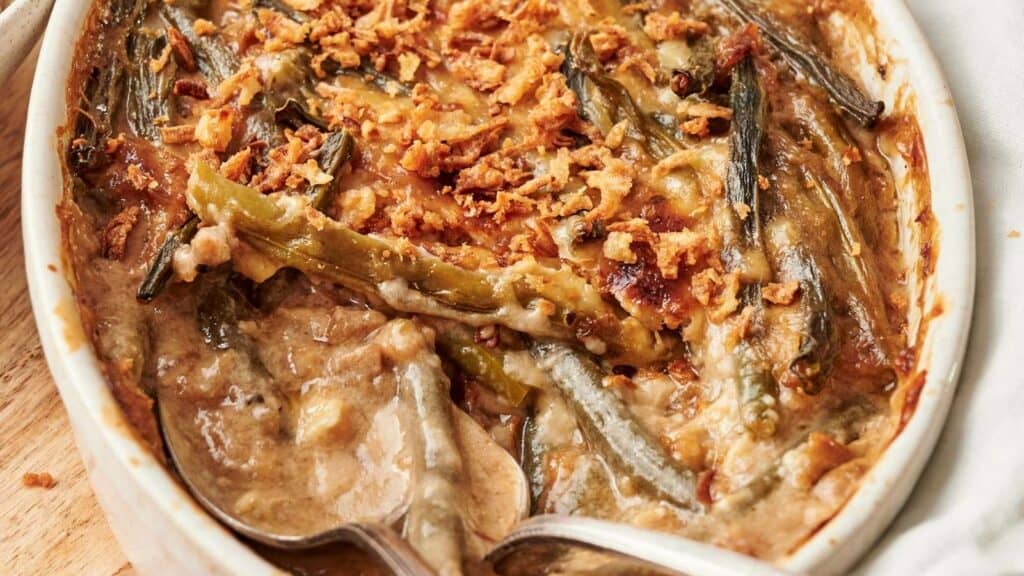
American families have been cooking more carefully this year. They’re watching what they spend and thinking twice before trying something new. The recipes finding their way back into their kitchens aren’t complicated; they were built for tight budgets, reliable results and a table that gets fed without waste. That tradition is behind the dishes making a comeback right now, and it turns out to be a more durable selling point than any food trend.
Comfort food is winning again
Four in 10 people worldwide actively seek out foods that remind them of childhood, while only 25% want to try new foods more often, according to a recent global study surveying more than 31,000 people across 31 markets. Separately, when American consumers were asked what they prioritize when cooking at home, comfort food led every generation, cited by 55% of respondents.
About 40% of Gen Z consumers say they cannot afford to experiment with new foods, and among all consumers, 1 in 4 reports the same constraint. When a dish fails, groceries are wasted. In that environment, a reliable recipe has an obvious appeal.
From Depression kitchens to restaurant menus
One of the earliest recorded American recipes resembling modern meatloaf appeared in the late 1870s: a mixture of chopped meat, onion, egg and milk-soaked bread originally served as breakfast. During the Great Depression, meatloaf became an especially practical dinner because inexpensive meat could be stretched with bread, cereal grains and other leftovers. World War II meat rationing reinforced the appeal of dishes that could stretch limited meat supplies.
By the late 1950s, meatloaf was firmly established in American home cooking and a familiar diner staple. A 1958 cookbook, 365 Ways to Cook Hamburger, included 70 different meatloaf recipes.
The postwar version most people remember is the ketchup-glazed loaf, served over mashed potatoes, reliably good as leftovers, even better in a sandwich the next day. One 2026 restaurant version comes finished with beef tallow and steak au poivre sauce, giving the humble classic a full-service-dining treatment. A dish invented to make a little meat go further has specific relevance in a year when grocery prices remain a top concern for nearly two-thirds of American consumers.
The pantry dish that outlasted everything
In 1955, the Associated Press called Campbell’s Soup looking for a recipe built around two ingredients commonly kept at home. After trying peas, lima beans and corn, the home economics team settled on green beans.
The six-ingredient dish they created was eventually printed on Campbell’s soup cans, helping turn it into a national Thanksgiving staple. Today the green bean casserole appears in an estimated 20 million American households each Thanksgiving. Campbell’s donated the original recipe card to the National Inventors Hall of Fame archives in 2002.
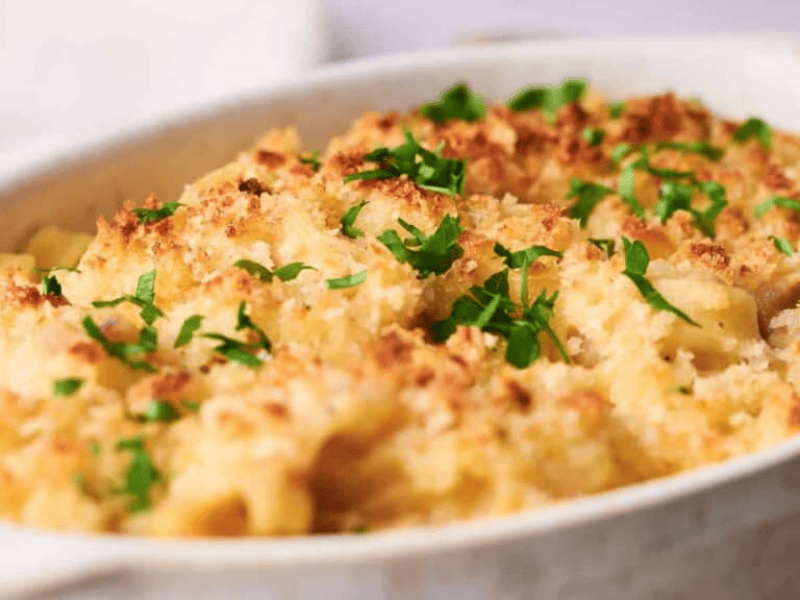
Tuna noodle casseroles, chicken and rice bakes and the hotdish tradition of the upper Midwest all run on the same animating idea. Assemble what you have, slide it in the oven and walk away. In a moment when convenience matters as much as cost, that is not a compromise at all.
Once a status symbol, now a comeback
Access to refrigeration helped make molded gelatin dishes practical for more American households, and in the 1930s and 1940s, serving one could even signal that a family had a refrigerator. The dish that is now a punchline was once aspirational.
One of the early dishes that helped establish the molded-salad tradition was Perfection Salad, which emerged from a Knox Gelatine recipe contest in the early 1900s and featured chopped cabbage, red peppers and celery suspended in gelatin. It placed third. Its name captures how seriously Americans once took the jiggly mold. By the 1970s, savory gelatin salads had largely lost their status as modern American entertaining food as tastes changed.
In 2026, savory aspics are appearing on fine-dining menus, and home cooks are reviving Jell-O salad at potlucks, sometimes faithful to the original, sometimes with unexpected flavors and modern ingredients folded in. For some cooks, the appeal is less nostalgia than the novelty of taking an old-school technique seriously again.
The next retro classic is already cooking
The food that survives hard times tends to do so because it solved a real problem well enough that people kept reaching for it long after the problem passed. That cycle has not stopped. What gets cooked tonight from whatever is in the pantry, under real financial pressure and genuine uncertainty, is already becoming the next generation of comfort food. The dishes someone will one day call grandma’s recipes are being made right now, in kitchens that do not know they are making history.
Jennifer Allen is a retired professional chef and long-time writer. Her work appears in dozens of publications, including MSN, Yahoo, The Washington Post and The Seattle Times. These days, she’s busy in the kitchen developing recipes and traveling the world, and you can find all her best creations at Cook What You Love.