
You’ve probably tailgated without thinking about how long fans have been doing it. Football crowds brought food to games long before parking lots filled with tents, coolers and grills. There was no single day when modern tailgating began. It grew over decades as fans found easier ways to eat, gather and make the hours before kickoff part of the fun.
The 1869 Game Starts the Football Clock
Rutgers and Princeton played the first recorded intercollegiate football game on November 6, 1869. That date often appears in tailgating origin stories. But Princeton University Archives found no contemporary proof that fans ate from wagons at the game. The safest starting point is simpler. College football had begun, while the food tradition would become clear later.
Coaches Bring Lunch to the Sidelines
By 1891, the link between football, food and vehicles is much easier to prove. Princeton University Archives found a newspaper account of the Yale-Princeton Thanksgiving game. It said fans arrived in coaches and other vehicles with lunches and sandwiches. The ride to the game was becoming part of the social event.
Automobiles Turn Picnics Into Parking-Lot Parties
Cars made the scene look more familiar by 1906. About 32,000 fans traveled to New Haven for the Harvard-Yale game. Yale Alumni Magazine cites a New York Times report describing small groups of motorists eating food from hampers near the field. Their meals were spread picnic-style on tablecloths. The car had become a portable base for game day.
Bigger Stadiums Bring Bigger Pregame Crowds
College football grew fast during the 1920s. Schools including Michigan and Ohio State opened huge new stadiums. HISTORY reports that college-town restaurants had trouble handling the crowds. Fans responded by bringing their own food. “Trunk picnics” and blanket meals in parking areas gave people a practical way to eat before kickoff.
Station Wagons Create the Classic Setup
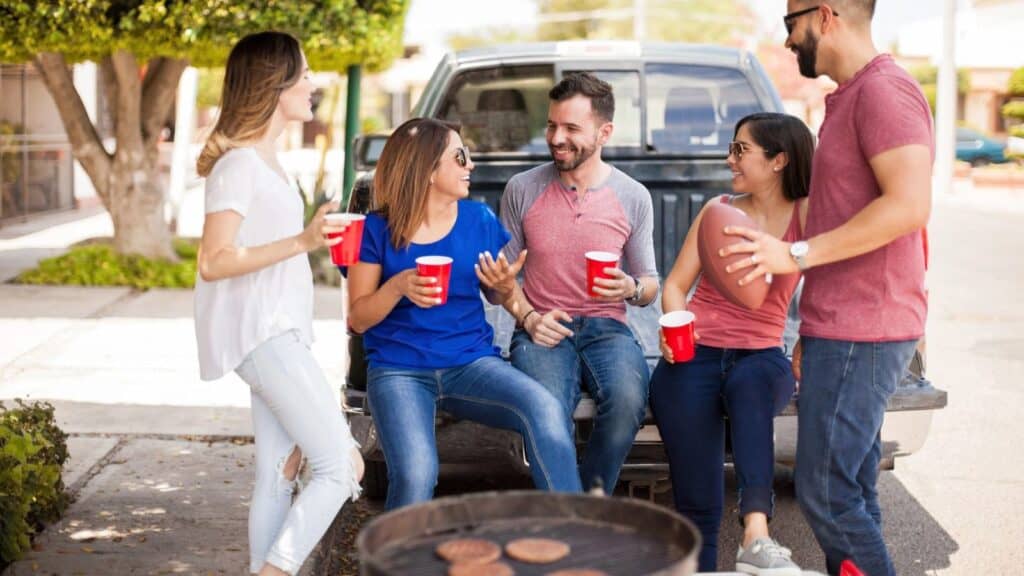
Wood-sided station wagons helped give tailgating its familiar look in the 1930s. Yale Alumni Magazine says fans served picnic food buffet-style from lowered rear tailgates. The back of the vehicle became a table, seat and serving counter. Later fans copied the same idea with pickups, SUVs and larger portable setups.
Grills, Coolers and a Name Arrive
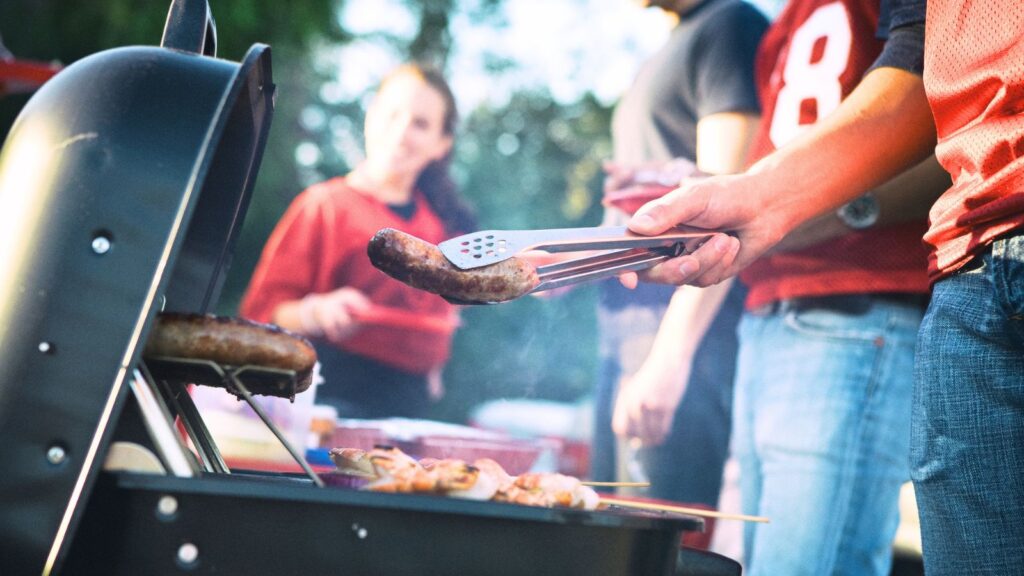
The 1950s changed what fans could bring. Portable grills and plastic coolers were being mass-produced, making hot food and cold drinks easier to manage near the car. The language caught up soon after. Merriam-Webster dates the first known use of “tailgate party” to 1956. By then, the food, vehicle and pregame gathering had a name that stuck.
A Rivalry Gets a Party Nickname
The Florida-Georgia rivalry gave tailgating one of its best-known nicknames. In 1958, Florida Times-Union columnist and editor Bill Kastelz called the Jacksonville festivities “The World’s Largest Outdoor Cocktail Party“. The game moves to Atlanta in 2026 and Tampa in 2027 while Jacksonville’s stadium is renovated. It is scheduled to return to Jacksonville in 2028.
NFL Parking Lots Join the Tradition
Tailgating spread further in pro football during the 1970s. Teams including the Steelers, Eagles, Giants and Patriots moved into newer stadiums with much more parking. HISTORY connects those car-focused venues with the growth of NFL parking-lot parties and barbecues. The ritual was becoming a regular part of pro game day too.
The Grove Turns Tailgating Into Theater
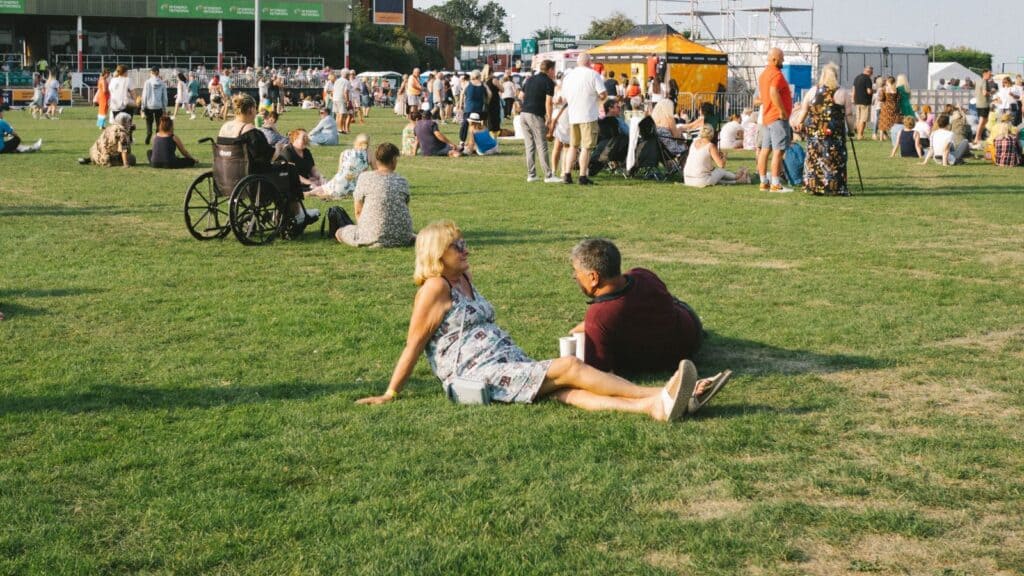
The Grove at Ole Miss shows how big the pregame ritual can get. The university describes it as a 10-acre grassy area in the center of campus. Football Saturdays fill it with tailgaters before home games. Its fame comes from turning the hours before kickoff into an attraction of their own.
Why the Parking Lot Became Part of the Ticket
Tailgating lasted because fans wanted more than a seat for the game. Food gave people a reason to arrive early and spend time together. Cars and new gear made that easier, but they were only tools. The real tradition is the gathering itself: football sets the date, while fans decide what happens before the gates open.