
The parking lot grill is about to get its hardest workout of the season. Triple-digit heat, no running water and hours of standing time before kickoff are all converging at once this year. Toss a cooler full of burgers and dogs into that mix, and the margin for safe eating gets a lot thinner than most fans think.
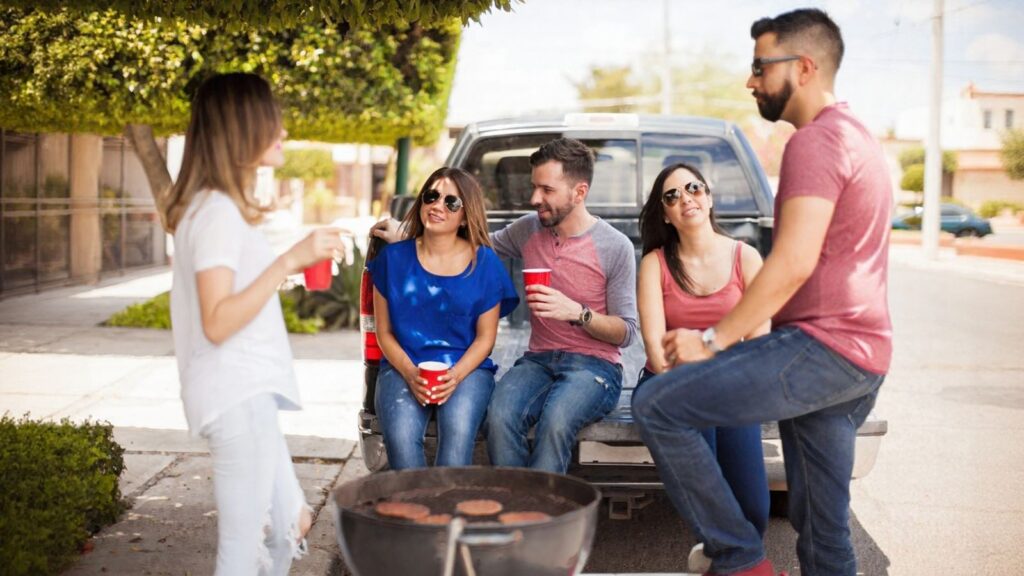
Fans start showing up hours before kickoff, grills firing, coolers cracked open, conversations picking up right where they left off. The ice melts a little faster every time someone digs around for a drink, and nobody is really watching the clock between arrival and the opening whistle.
On most Saturdays, that’s never been a problem. This year, the first games are kicking off into heat the region hasn’t shaken in weeks, and the habits that always felt harmless deserve a second look.
The Heat Wave Isn’t Backing Off
The National Weather Service’s Weather Prediction Center tracked heat indexes as high as 105 to 115 degrees Fahrenheit across Texas, the Gulf Coast and much of the Southeast earlier this week. The worst of it may ease a bit in the Southeast over the coming days, but the south-central United States is still locked in. For fans tailgating this weekend, the conditions are still well above the threshold where food safety rules get stricter.
The Parking Lot Works Against You
At the University of Oklahoma’s North Oval, campus policy lets fans drop off tailgate equipment as early as 5:30 p.m. the evening before a home game. That covers tents, tables and chairs, not food. Perishable food that climbs above 40 degrees and below 140 degrees Fahrenheit has a two-hour safe window, and that drops to just one hour when air temperatures top 90 degrees.
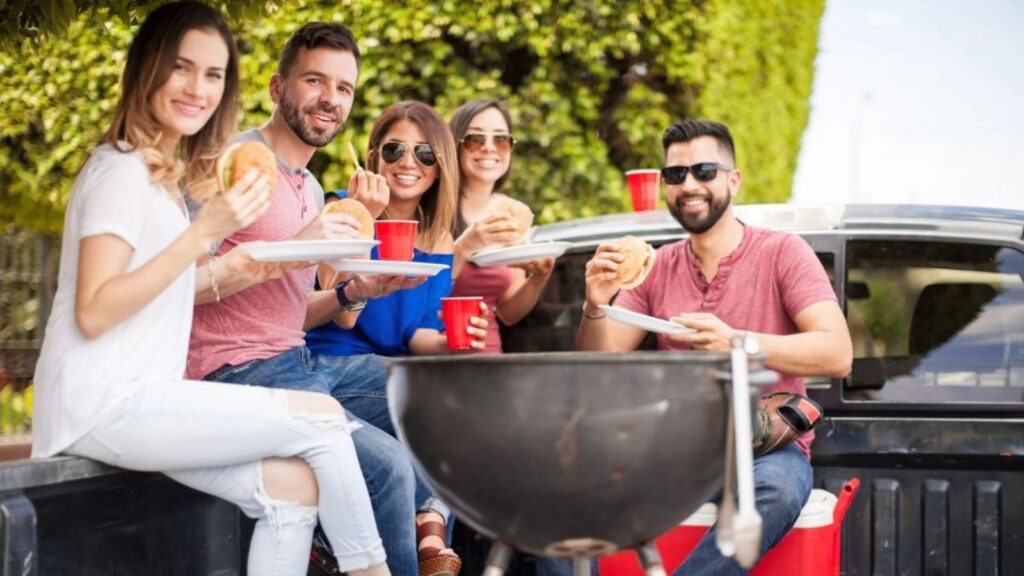
Stadium parking lots don’t come with running water or refrigeration, which means tailgating food safety follows the same rules as picnicking outdoors. Hand-washing water, a well-iced cooler and a food thermometer are part of the core setup. Hot dishes like chili or queso need an insulated container that holds food at or above 140 degrees Fahrenheit, because once it drops below that line, the same time limits apply.
Ground Beef Is Less Forgiving Than You Think
Ground beef is the default tailgate protein, and it has a different risk profile than a whole steak. Grinding ground meat mixes bacteria throughout instead of leaving them on the surface where heat can kill them more easily. That means ground beef needs to hit 160 degrees Fahrenheit, compared to 145 for a whole cut, and at a tailgate where several households share one grill and swap tongs, that gap is easy to miss.
The fix is not complicated. Pack extra ice, bring a food thermometer, keep raw meat sealed at the bottom of the cooler and set a timer for the one-hour window once the air temperature passes 90 degrees. A few extra minutes with a thermometer and a few basic grilling safety habits now beat an uncomfortable Sunday later.