
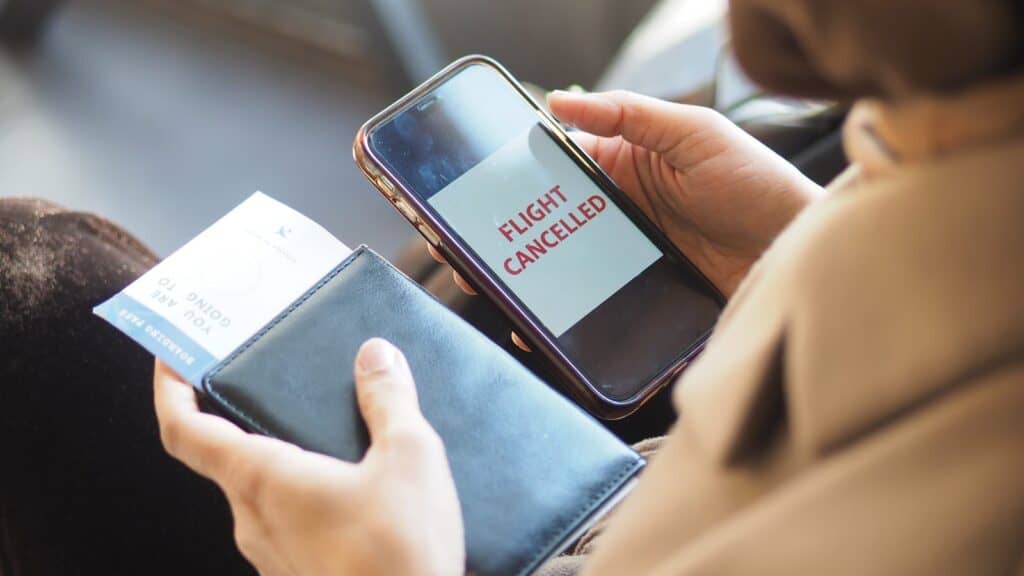
Airline change and cancellation pages seem to speak the same language: refund, credit, fee, waiver. In 2026, those words can lead to very different outcomes depending on whether the rule comes from federal regulation, the airline, or the fare you bought. A small booking detail can decide whether you get cash back, a credit, or very little flexibility.
What Federal Rules Set for Everyone
The 24-Hour Window Isn’t a Courtesy
For tickets bought at least seven days before departure, federal rules require airlines to give you one of two options: cancel within 24 hours for a full refund or hold the reservation without payment for 24 hours. Airlines do not have to offer both. The rule applies to airlines, not online travel agencies or other third-party ticket sellers.
‘Significant Change’ Has Specific Triggers
A refund can become available when an airline makes a qualifying major change, and you decide not to travel. Federal rules include a domestic flight leaving at least three hours earlier or arriving at least three hours later. The threshold is six hours for international itineraries. A different origin or destination airport, extra connections, or an involuntary downgrade can also qualify. Travelers with disabilities have added protections for changed connecting airports and needed aircraft accessibility features.
Refund Deadlines Depend on How You Paid
Once a refund is due, the payment method affects the deadline. Credit card refunds are due within seven business days. Refunds for cash, checks, debit cards, and other payment methods are due within 20 calendar days. Federal rules define business days as Monday through Friday, excluding U.S. federal holidays.
Paid Extras Have Their Own Refund Rules
Your airfare refund and your refund for a paid extra do not always depend on the same event. If an airline fails to provide a paid ancillary service such as Wi-Fi or seat selection through no fault of yours, the fee is refundable. Checked baggage follows a separate standard. A bag must be lost or significantly delayed, and you generally need to file a mishandled baggage report before the automatic bag-fee refund requirement applies.
The Merchant of Record Matters
If a canceled or significantly changed flight qualifies for a refund, the merchant of record is responsible for the airfare refund. That may be the airline or the travel agency shown on your payment statement. Ancillary fees work differently. The airline can still be responsible for refunding a service it failed to provide.

Where Airline Policies Split Apart
Same-Day Changes Can Cost Very Different Amounts
Delta currently charges $75 for an eligible same-day confirmed change on a Classic ticket, while qualifying higher fare types and certain Medallion members get that fee waived. Delta’s same-day standby is free where available, but Delta Basic is excluded from both options. American’s confirmed same-day changes start at $60 in the U.S., Puerto Rico, and the U.S. Virgin Islands and at $150 between New York-JFK and London Heathrow. American also allows free earlier-flight standby.
Basic Fares Can Have an Upgrade Exit
A restrictive fare does not always stay locked exactly as purchased. United Basic Economy generally does not allow ordinary flight changes, but qualifying customers can pay to add standard Economy benefits. That can add no-fee change or cancellation flexibility, although fare differences may still apply. Southwest takes a similar approach with its Basic fare: it is non-changeable unless you first upgrade to Choice, Choice Preferred or Choice Extra.
Travel Credits Do Not Share One Expiration Clock
Federal law does not give every airline credit the same expiration date. Under one rule, a credit offered instead of a refund you were already owed for an airline-caused cancellation or significant change must stay valid for at least five years. Voluntary cancellations can follow airline fare rules instead. Southwest currently gives many Choice and higher-fare credits a 12-month window, while Basic fare credits can expire after six months, subject to how the ticket was originally paid.
Award Tickets Can Be More Flexible Than Cash Fares
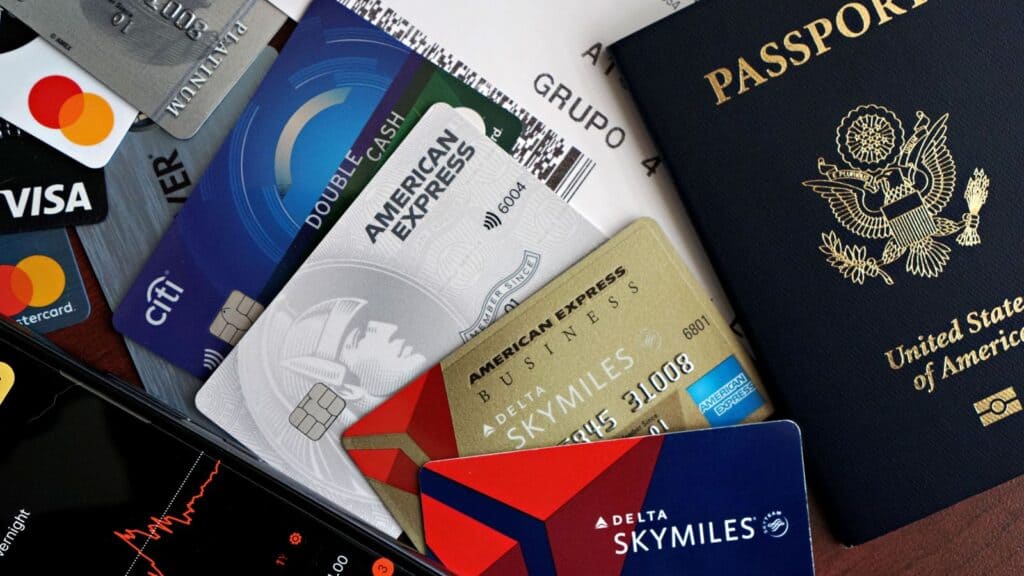
Mileage tickets can follow different cancellation rules from paid fares. American says it will reinstate AAdvantage miles and refund eligible taxes and fees at no charge when you cancel before the first flight departs and within the ticket’s validity period. United also allows predeparture MileagePlus award cancellations without a redeposit fee, according to current 2026 guidance. A no-show is different: United can charge $125 to redeposit the miles after you miss the flight.
Check Who Wrote the Rule
The useful habit is not memorizing every airline fee. It is identifying the source of a rule before you act. A federal requirement and an airline policy can look nearly identical on a booking page, but they do not carry the same weight. Once you know which one you are dealing with, you are less likely to accept a fee, restriction, or credit simply because the wording sounds official.