
Every fall, Americans head toward the land, drawn by something older than carved pumpkins, corn mazes, or anything a fall marketing calendar invented. Harvest festivals have been part of American life since long before any of those things existed, and that tradition is still running strong this season.
A 2024 industry survey found 81% of U.S. households took part in at least one agritourism activity, up from 76% the year before. Participation in corn maze and pumpkin patch festivals actually dropped over the same period, from 44% to 35%. Americans still want the farm experience. They’re just finding it in more places than one.
A Tradition Older Than The Country Itself
Long before the first corn maze was cut, Indigenous nations across the Eastern Woodlands held ceremonies tied to the harvest. The Muscogee, Cherokee, Seminole and Iroquois, among others, celebrated the ripening of new corn with fasting, feasting, dancing, purification and renewal. Fires were extinguished. Disputes were settled. Communities started fresh. Several nations still hold versions of these ceremonies today.
When European settlers arrived, they brought their own traditions. The English Harvest Home meant feasting and dancing after the reaping, a celebration of communal work finished. The harvest celebration at Plymouth brought English colonists and Wampanoag people together for three days of feasting and recreation. Massasoit and about 90 men joined and brought five deer. By the 1800s, communities across the Midwest were baking apple pies, carving pumpkins and holding cornhusking contests every fall. Sound familiar?
What Actually Happens At A Harvest Festival
Harvest festivals today cover far more ground than most people realize. Hayrides, pick-your-own pumpkins, fresh-pressed cider and apple cider donuts are the familiar end of the spectrum, and that farm-visit economy generated $1.26 billion in U.S. farm and ranch income in 2022. The modern corn maze only dates to 1993, when the first was cut into a Pennsylvania cornfield and somehow became a fall institution within a decade.
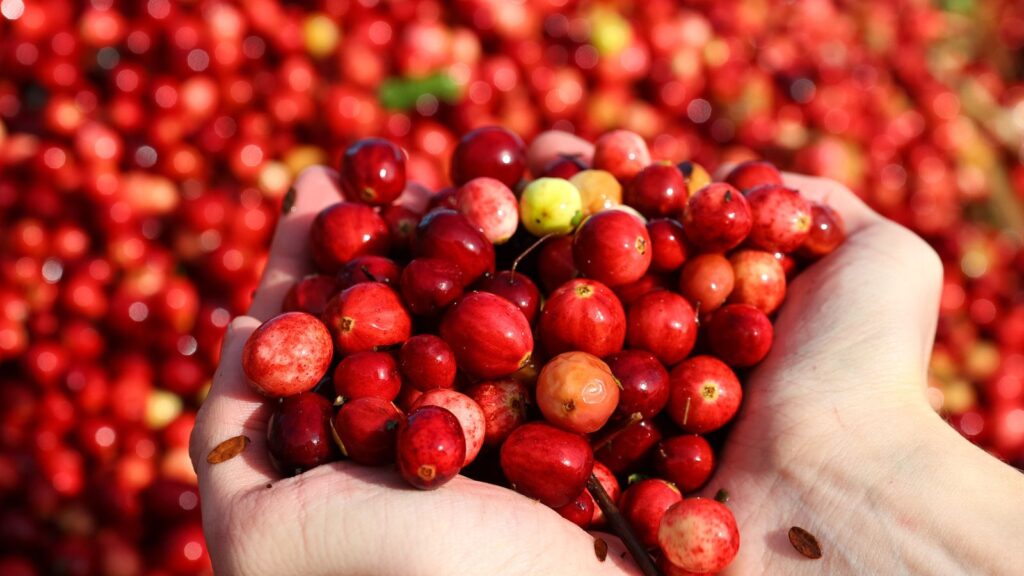
Plenty of harvest festivals have nothing to do with pumpkins at all. Cranberry festivals in the upper Midwest draw visitors to flooded bogs that turn red each fall. New England orchards hit peak harvest in September and October. Grape crush events run up and down the West Coast from August into October. The Louisiana Sugar Cane Festival in New Iberia has been going on since 1937, timed to the sugarcane harvest. Hop festivals in the Pacific Northwest follow the August and September picking season. The crop sets the date. The festival grows around it.
Why It Never Stopped
In the 1930s, city residents started heading to farms for affordable getaways during the Depression, an early version of the same appeal harvest festivals carry today. As more Americans have moved further from farms, the distance from where food actually comes from has grown. Harvest festivals close some of that gap in a way no grocery store aisle can.
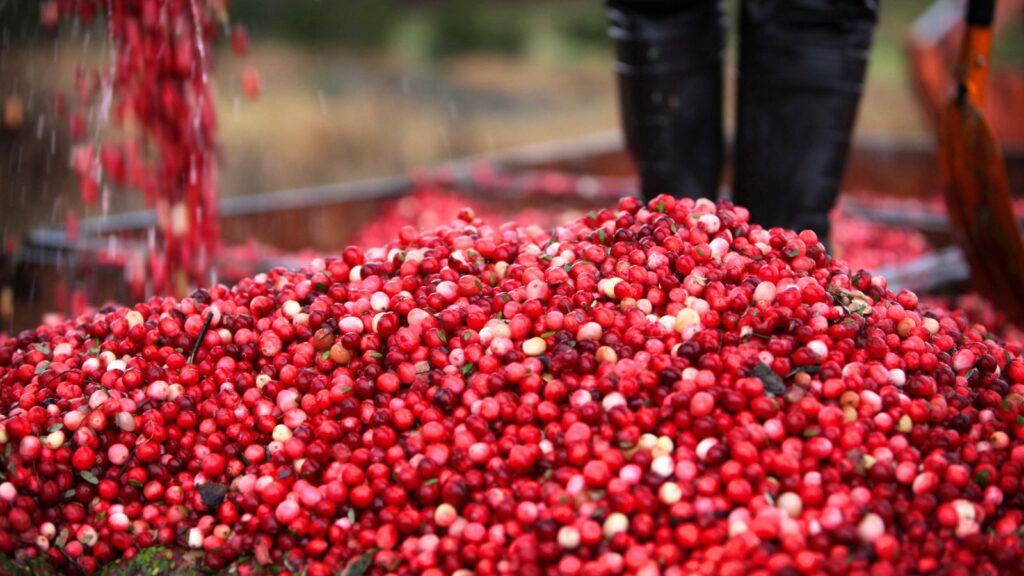
This fall, that tradition is playing out from cranberry bogs in Wisconsin to sugarcane fields in Louisiana to apple orchards in New England. The land sets the schedule. All you have to do is show up.