
For years, the assumption was that comfort food worked the way any good food works: through taste. But researchers who study why certain dishes soothe people found something different. Four studies published last year in the journal “Cognition and Emotion” showed that nostalgic foods lift people’s mood mainly by making them feel connected to others.
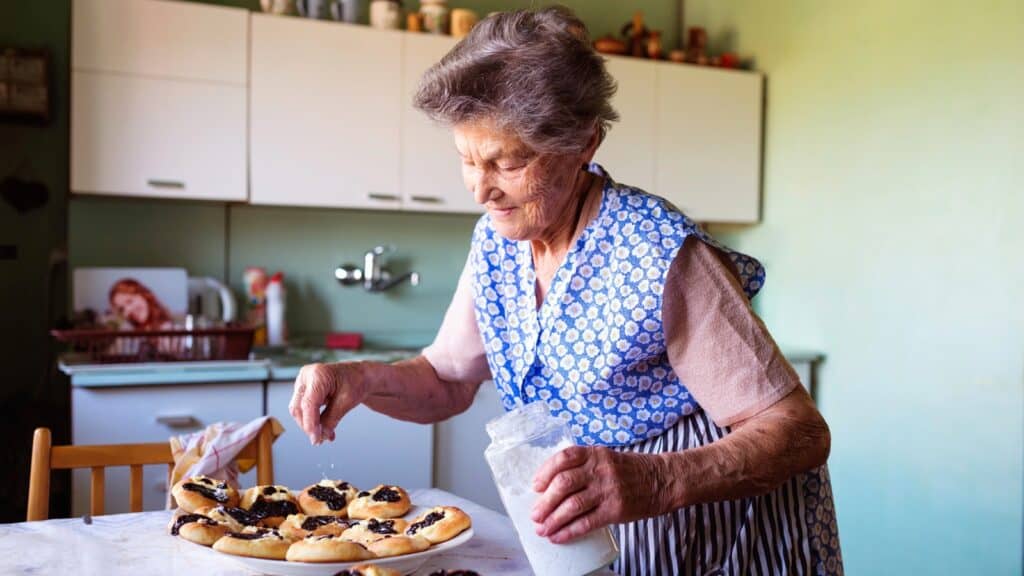
The recipe cards are in someone else’s handwriting; the people who wrote them are mostly gone. The cookies are made anyway every year by those who have never considered not making them. A tin of vanilla wafers on the counter, a plate of crescents dusted white, squares of colored marshmallow set in chocolate. Nobody in the family remembers deciding to make them. They just keep getting made.
What the research actually found
In the first two cognition and emotion studies, participants rated a dozen foods, either by picturing them or tasting samples, and scored each one on how much nostalgia and comfort it brought up. In the last two, participants wrote about eating either a food they found personally nostalgic or one they eat regularly, and then reported how connected they felt to others afterward.
The nostalgic food brought comfort, but it did so through connection. “Nostalgia, that wistful yearning for a time when you felt happy and connected to others, is a key element of comfort food’s power,” lead author Chelsea Reid, a social psychologist at the College of Charleston, told Knowable Magazine.
Nostalgia also helps explain why the recipes people return to are so often the simple ones, like a vanilla wafer recipe on an index card made the same way for 50 years. The food brought up the memory, and the memory brought people with it. That was where the comfort lived.
The person in the recipe
For Yuan Hendricks, who writes the food blog Sassy Chopsticks, it’s Chinese long bean stir-fry. She learned it from her grandmother, who looked after her as a child. “Sometimes I cook it because I’m craving it, and sometimes I just want something familiar,” she said. “It tastes good, but I think the memories are what make it so comforting.”
The term predates the research. Psychologist Joyce Brothers is generally credited with coining “comfort food” in a 1966 newspaper column, describing adults under stress reaching for foods they associated with childhood.
Recipes don’t usually just show up; someone hands them over. Almond moon crescent cookies turn up in family recipe boxes because a grandmother made them, and then somebody else learned to make them, and the shape of the cookie became a way of keeping her in the room.
The industry noticed
Restaurants are betting on the same thing. The National Restaurant Association’s 2026 What’s Hot Culinary Forecast, based on a survey of hundreds of chefs and culinary professionals conducted in October 2025, put nostalgia and comfort at the top of the year’s menu trends. The forecast points to familiar classics like soups, stews and burgers reworked with global flavors, and lists comfort foods among the top overall trends for their appeal to stress relief and nostalgia.
“Comfort and value are the twin pillars shaping America’s menus right now,” said Chad Moutray, the association’s chief economist.
Cheap, and it feeds people
The love for nostalgic foods is also about money. The same forecast paired nostalgia with value, and the recipes people go back to tend to be both: a pot of beans, a tray of scalloped potatoes, a chicken stretched over three days. These came out of kitchens where the math mattered, and the math still matters. The U.S. Department of Agriculture expects grocery prices to rise 2.5% this year, and restaurant prices 3.6%.
Recipes that outlived their kitchens
Some of these recipes never came from a cookbook, but moved through churches, potlucks and bake sales, copied by hand and passed to whoever asked. Church window cookies are one of those. No oven, just melted chips and colored marshmallows set into a log and sliced, and they still turn up on holiday plates decades later. The recipe survived on connection. That is where the research says the comfort comes from.
When the recipe stops working
For some people, the recipe stops working when the person is gone. Jennifer Osborn, who writes the food blog Kitchen Serf, used to make shrimp nachos for her teenage son after they fought.
“After a particularly difficult argument, he could almost always be plied into talking to me again with a platter of shrimp nachos,” she said. “He wouldn’t say anything, but he’d eat every last nacho. Usually, by the time they were gone, we were talking again.”
Osborn’s son is grown now and living on his own. “I still can’t make those shrimp nachos unless he’s here,” she said. “They’re just too bittersweet.”
Heidi is also a vintage recipe blogger at Real Life of Lulu, where she focuses on recipes that are at least 50 years old, many from her grandparents’ kitchens. She has spent eight years developing and testing vintage recipes for a national online audience.