
The cheeseburger is one of America’s most beloved sandwiches, and somehow it has never had quite enough cheese. Several major casual dining chains decided to fix that this year, independently rebuilding the sandwich around as much hot, molten cheese as it could hold, with at least one breaking sales records in the process. The cheeseburger is named after the cheese, and restaurants just gave it the treatment it’s always deserved.
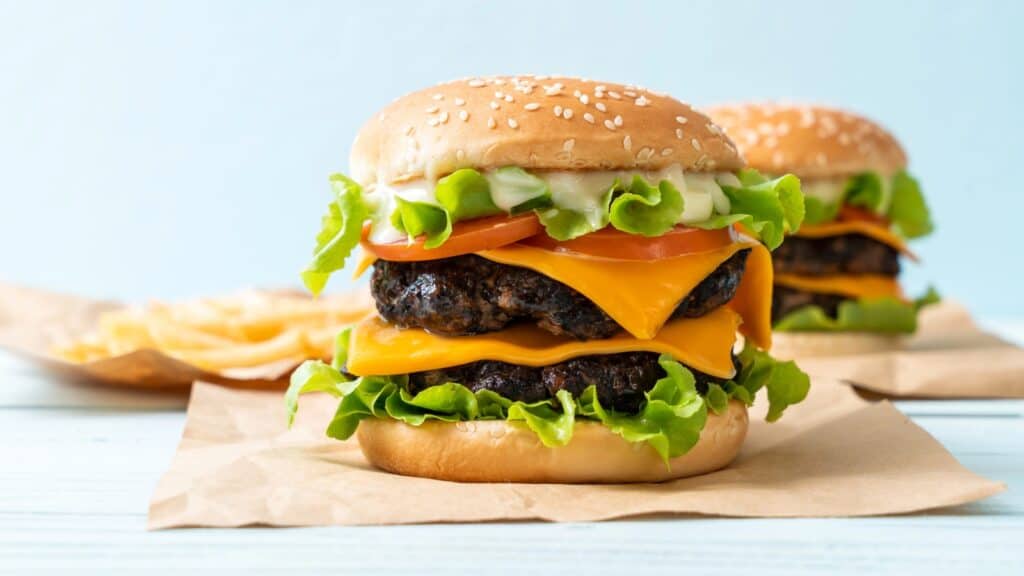
Melted, pullable cheese has been one of the most documented traffic drivers in casual dining over the past two years. Chili’s Triple Dipper racked up more than 200 million TikTok views, and the appetite those numbers revealed was hard to ignore: diners want the cheese to be a whole experience, not a finishing touch.
Sept. 18 is National Cheeseburger Day, and the cheeseburger it honors looks meaningfully different at chain restaurants than it did a year ago. According to a widely repeated Pasadena origin story, the sandwich was born when a California teenager accidentally burned a patty and covered it with a slice of American around 1924. Across 2026, several major casual dining chains arrived at the same answer about what to do with that cheese: serve it hotter, serve it molten and make it the thing the burger sits in.
Applebee’s goes all in
The first indication arrived in fall 2025, when Applebee’s introduced a Grilled Cheese Cheeseburger, a beef patty stacked with four slices of American cheese and bacon jam, served on toasted potato bread with tomato basil soup on the side for dipping. The chain’s description of the motivation was plain: guests love cheese, full stop. The burger became the best-selling standalone burger in Applebee’s history within its first quarter on the menu.
Applebee’s raised the stakes further in January 2026 with the O-M-Cheese Burger. The build is simple to describe and almost difficult to picture without seeing it: a beef burger topped with American cheese, bacon and spicy honey mustard, cut in half and served cut-side down in a sizzling cast-iron skillet of molten queso and blended cheddar. The cheese is not a topping. The burger sits in it.
More than 400 food creators posted about the O-M-Cheese Burger in its first weeks on the menu, generating 65 million views across platforms. The O-M-Cheese Burger became the new best-selling burger in Applebee’s history, replacing the Grilled Cheese Cheeseburger in a matter of weeks.
On Aug. 31, the chain added the O-M-Cheese-adilla Burger: a quesadilla burger with bacon and Pepper Jack served sizzling in a skillet of molten queso and cheddar, with white corn tortilla chips and pico built into the build. Applebee’s described the addition as bringing the same cheese-loaded treatment to one of its most iconic menu items, suggesting the chain is extending the platform well past its initial launch.
Other chains read the same signal
TGI Fridays introduced its own take in February 2026, with a tableside cheese pour applied to several menu items. The offer included a bacon cheeseburger delivered in a hot cast-iron skillet and showered with warm, bubbly fondue-style cheese at the table. The chain described the format as creating a memorable, interactive dining experience.
Miller’s Ale House, a sports-bar chain with more than 100 locations across 10 states, followed in March 2026 with its own Skillet Queso Bacon Cheeseburger, a half-pound patty nestled in a sizzling skillet of chorizo and pico queso. The chain’s Aug. 28 menu still listed it as available, and Miller’s Ale House announced additional skillet innovations planned for summer and the holiday season.
The launches show how several chains are using molten cheese and tableside presentation to make burgers more theatrical. Each chain arrived at a similar format on its own timeline.
The cheese works
American cheese was not chosen for cheeseburgers by accident or convention. The emulsifying salts in processed American cheese, such as sodium citrate and phosphate salts, keep fats and proteins chemically bonded when the temperature rises, producing that smooth, glossy, pull-ready melt. Some natural cheeses are more prone to separating or becoming oily when overheated, making the consistent, stable melt of processed American cheese well suited to the skillet format’s sustained ambient heat.
Those same properties, the way American cheese holds its gloss and stays fluid and smooth under heat, are also what make it so visually effective on camera. The format turns the cheese into a visual marketing asset: it stretches, drips, sizzles and stops a thumb mid-scroll in a way that a static slice on a bun simply cannot.
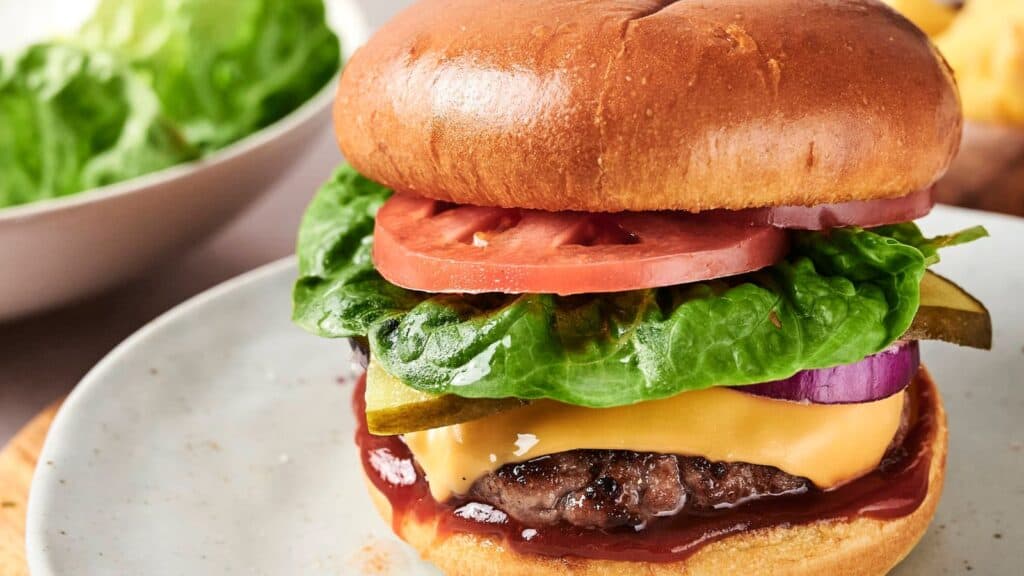
At chain restaurants this Sept. 18, some cheeseburgers are arriving in cast-iron skillets, face-down in molten cheese, in a format that did not exist on most menus a year ago. For the chains behind it, cheese has become more than a topping.
Jennifer Allen is a retired professional chef and long-time writer. Her work appears in dozens of publications, including MSN, Yahoo, The Washington Post and The Seattle Times. These days, she’s busy in the kitchen developing recipes and traveling the world, and you can find all her best creations at Cook What You Love.