
Brown butter went from a classic French cooking technique to an American flavor obsession. The technique is centuries old and requires nothing more than butter and a warm pan. This fall, it appears in places the French never imagined, and no one on this side of the Atlantic seems particularly sorry about it.
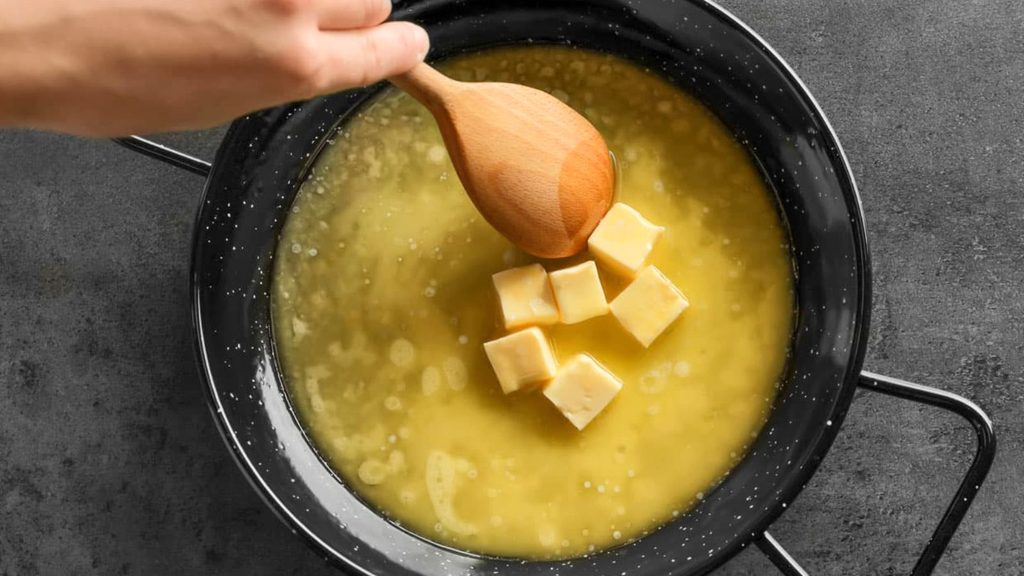
The French call brown butter “beurre noisette,” or hazelnut butter. A few minutes in a hot pan drives off the water and browns the milk solids, producing the warm, nutty aroma that explains the name. French cooks have long used it to finish fish, vegetables, pasta and other dishes. Americans found the technique, decided the saute pan was just the starting line and took brown butter everywhere.
From saute pan to spice jar
A new Honey Brown Butter Bacon Egg & Cheese Biscuit debuted at participating McDonald’s restaurants nationwide in July, with the sauce available as an add-on for any breakfast sandwich on the menu. McCormick released a limited-edition brown butter finishing salt designed to shake over chocolate chip cookies, pasta, oatmeal and ice cream.
Spiceology now sells Brown Butter Sweet & Savory Spice Blends, made for cooks who want the flavor without standing over a stove. Each product removes the pan from the equation entirely. A technique that once required a chef’s full attention now comes in a sauce packet, a seasoning jar and a grinder anyone can shake with one hand.
Brown butter’s reach widens well beyond packaged goods. Brown-butter-fat-washed bourbon is turning up in fall cocktail programs. Bakeries have been folding it into cookie dough and pie crust for years, but this season, the flavor is also moving into savory glazes, roasted vegetable finishes and pasta sauces. What a French chef would recognize as a delicate finishing touch has become something Americans treat more like a universal flavor upgrade, applied generously and without apology.
The appetite behind the crossover
A 2026 consumer survey of 677 American adults found that 42% were excited about brown butter, putting it in a tie for second among the study’s flavor trends. Spiceology described the interest as broad across regions and demographic groups, with no single audience driving the numbers alone.
Challenge Butter, the farmer-owned California cooperative whose product is the literal starting ingredient for the technique, surveyed more than 2,000 adults and found that 3 in 4 say flavor and ingredient quality matter more to them than following strict food rules. Nearly half said foods once labeled “bad” are worth eating when they bring comfort or reduce stress.
Those findings measure broader food attitudes, not brown butter specifically. But they offer a useful backdrop for a flavor that delivers richness and warmth without requiring complicated cooking or exotic ingredients.
What fall kitchens look like this year
Brown butter’s warm, toasted, nutty flavor with its faint caramel sweetness pairs naturally with the ingredients Americans already reach for between September and November, including apples, squash, sage, maple, pecans and cinnamon. Brown butter apple cider blondies, brown butter folded into pie dough, and brown butter paired with apples all bring that flavor into familiar fall baking.
A brown butter glaze over roasted root vegetables, a sage brown butter sauce finished on fresh ravioli, brown butter folded into pie dough before it goes in the oven. These are combinations that feel intuitive because the flavor was made for this part of the year.
What makes this moment unusual is how many categories brown butter occupies at once. It is on fast-food breakfast menus, in grocery-aisle seasonings, behind cocktail bars and in home kitchens, all in the same season. Brown butter arrived in all of them at once, with enough consumer interest behind it to suggest it will still be here when the novelty fades.
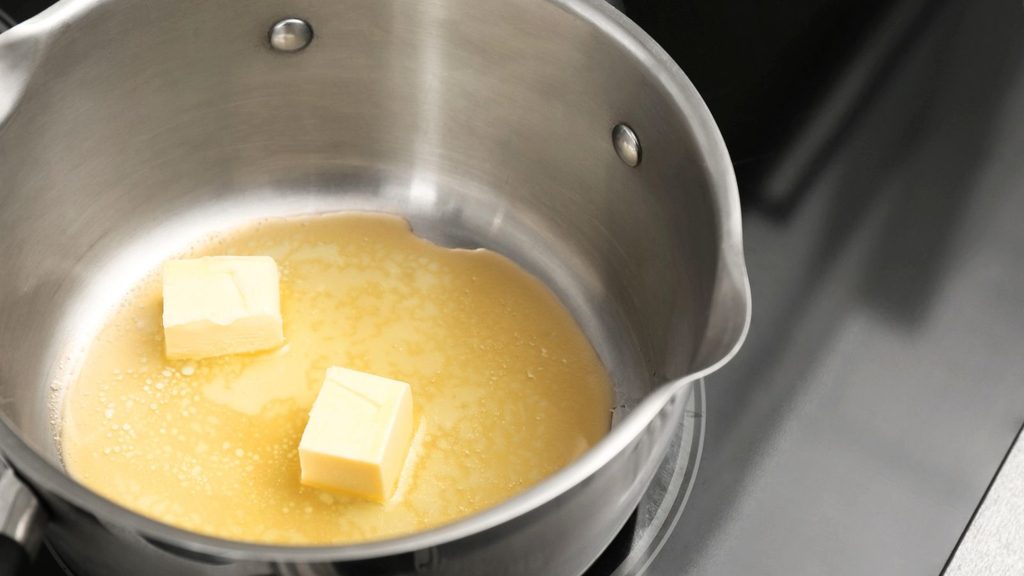
The original technique still works exactly the way it always did. One pan, one stick of butter, a few minutes of patience, and the kitchen fills with the smell of something toasting. Every seasoning blend, finishing salt and sauce on the market right now exists because of that moment when the milk solids go golden and the air turns warm and nutty.
A French chef might wince at what Americans are doing to beurre noisette this fall. The simplest version, though, the one that starts with good butter and a warm pan, might still be the best.
Jennifer Allen is a retired professional chef and long-time writer. Her work appears in dozens of publications, including MSN, Yahoo, The Washington Post and The Seattle Times. These days, she’s busy in the kitchen developing recipes and traveling the world, and you can find all her best creations at Cook What You Love.