
Before roller rinks had DJs, they had organists pumping out live music while regulars glided by in rented skates under a spinning disco ball. Every session followed its own unwritten rules: when to pair up for couples skate, when to switch directions, when the DJ called everyone onto the floor for the Hokey Pokey. These nine traditions are what actually made skating night feel like an event instead of just an evening spent going in circles.
The Organ Era
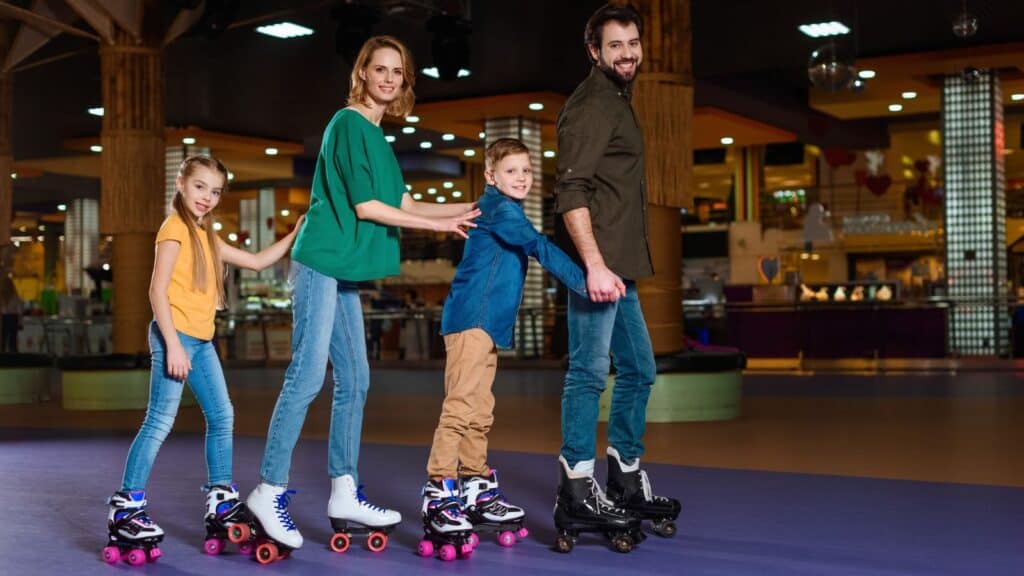
Long before recorded disco ruled the rink, live music had a place beside the skating floor. The National Museum of Roller Skating says rink owners began hiring organists in the 1930s after earlier eras of bands, orchestras and mechanical band organs. Wurlitzer pipe organs became popular in the 1930s and 1940s, while Hammond electric organs gained ground in the 1940s and 1950s. By the late 1970s, about 1,000 rink owners had replaced their organs with disco sound systems.
Skating Under the Mirror Ball
Disco gave roller rinks another burst of popularity in the late 1970s, when shiny wooden floors, rented skates and mirrored balls became part of the atmosphere remembered by a writer for The Strong National Museum of Play. Loud music and shifting lights helped turn a few hours of skating into something that felt closer to a night out than a simple trip around the floor.
Couples Skate
Few announcements could change the mood faster than couples skate, which meant pairing up for a special turn around the rink. A 2019 Portland Press Herald story about Maine’s Happy Wheels described skaters going side by side, holding hands or putting their arms around each other after the announcement came over the loudspeaker.
The Hokey Pokey on Wheels
The Hokey Pokey was more than a party song at the rink because it became part of organized skating sessions. A 1996 Washington Post report described skaters doing the familiar dance on wheels and noted that games and dances helped break up the regular flow of laps around the floor.
Everybody Goes the Other Way
Reverse skating gave the same floor a different feel without requiring a new game or special equipment. The Washington Post reported that rinks used signs to announce variations such as Reverse, Trios and Couples, letting skaters switch the usual traffic pattern and turn an ordinary session into a new challenge.
The Rental Counter
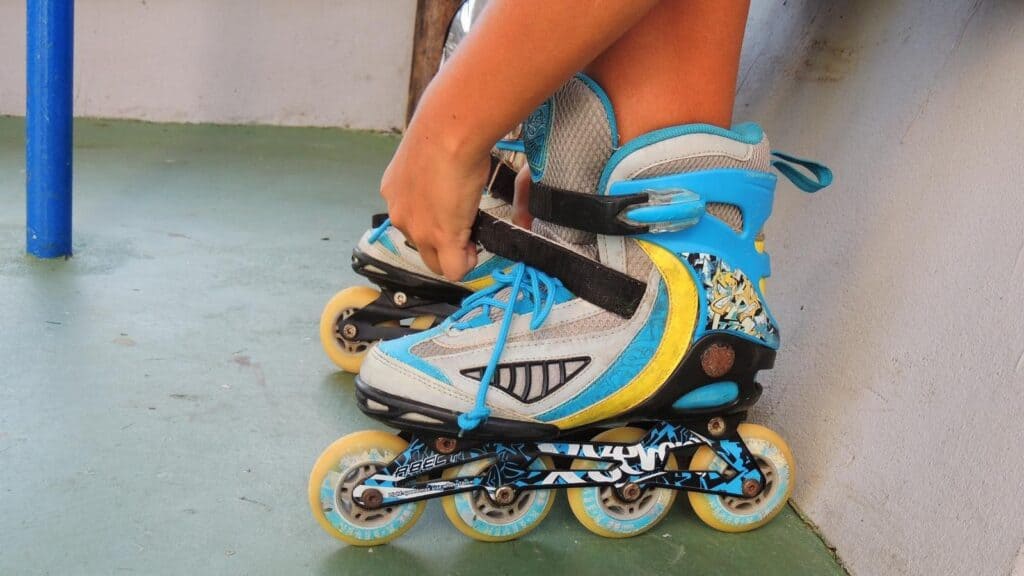
For skaters who did not bring their own pair, rental skates were part of the routine. The Portland Press Herald described Happy Wheels with a large rental counter displaying hundreds of skates, while Winnwood Skate Center still lists skate rentals alongside admission today.
The Rink Birthday Party
Roller-rink birthday parties were already part of the scene in the 1990s, when the Washington Post described families gathering at rinkside tables for birthday parties. Winnwood’s current party packages keep that tradition going with admission, skate rental, reserved table time and permission to bring cake or cupcakes.
Adult Night
Adult nights gave older skaters their own time on the floor, but in Kansas City they also carry a deeper cultural history. Reporting on Winnwood Skate Center explained that segregation once pushed Black skaters toward odd days and late hours, while the rink’s current schedule lists 18-and-over adult sessions on Tuesday, Thursday and Sunday. Those nights remain a gathering place where skating, music and community history meet.
Cities Developed Their Own Styles
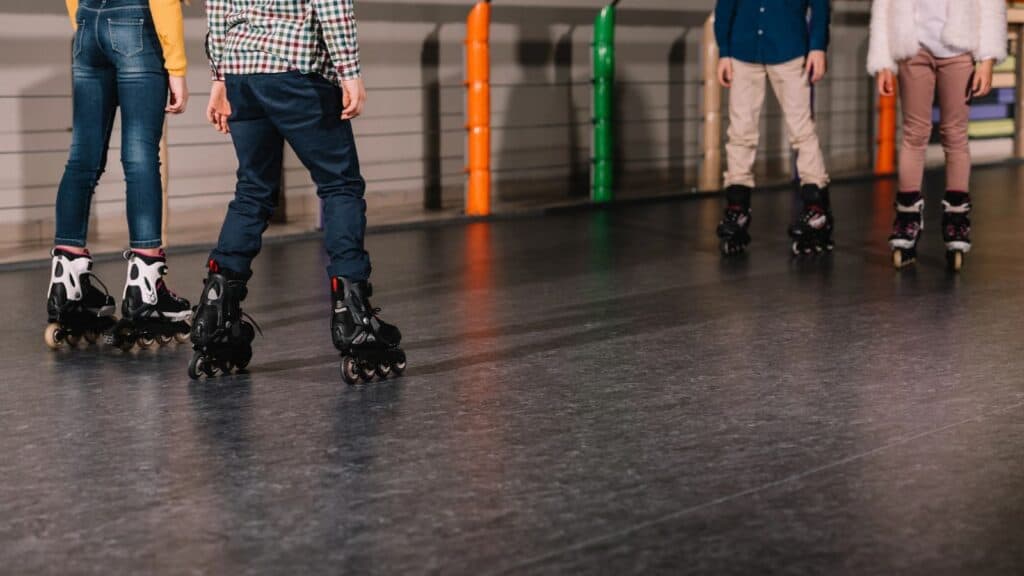
Roller skating developed regional styles that made local rink culture recognizable far beyond a single building. PBS has documented regional styles including fast backward skating from Philadelphia, Chicago’s JB style built around James Brown music and New York and New Jersey traditions that include trains and trios, showing how technique and music became part of a city’s skating identity.
The Rink Gave Everyone a Part to Play
What made skating night memorable was not perfect technique but the shared pulse of knowing when to pair up, change direction or join the next routine. A rink could bring skilled skaters, beginners and nervous first-timers onto the same floor under the same set of cues, creating the kind of temporary community that made the night feel bigger than the number of laps anyone completed.