
Passport ready, ticket booked, bags packed, then a surprise fee shows up before you even reach the gate. Tourist charges now show up in travel authorizations, eVisas, and airline tickets, and the rules vary sharply by country. Certain destinations require you to pay before you travel, while others let you handle the charge after landing. Knowing which is which can save you time, money, and an ugly surprise on travel day.
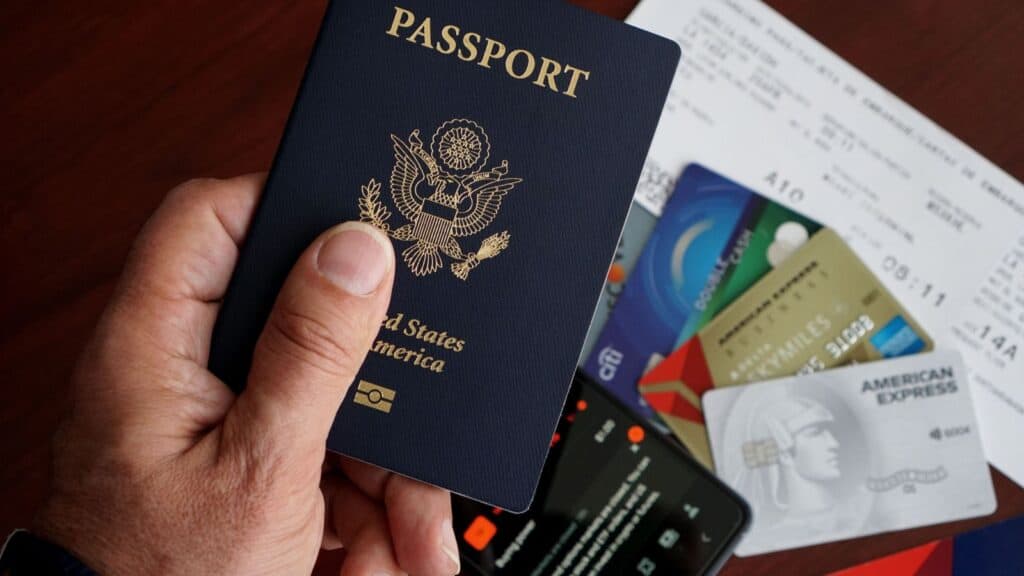
Bhutan Collects Its SDF With the Visa
Bhutan’s standard Sustainable Development Fee is $100 per adult, per night. U.S. visitors also pay a $40 visa application fee. Both are handled during the visa process before travel.
New Zealand Adds the IVL to the NZeTA
U.S. tourists traveling visa-free need an NZeTA before departure. It costs about $10 in the app, and the visitor levy adds about $57. Travelers without the required NZeTA at check-in may be denied boarding.
Palau Builds $100 Into the Ticket
Palau’s $100 environmental fee is easy to miss because you do not pay it through a separate form. Airlines include the charge in the ticket price, so it is usually settled when you buy your flight instead of when you reach immigration.
Indonesia Lets You Prepay the Visa on Arrival
Indonesia’s B1 visa on arrival costs about $28. You can prepay through the e-VOA system, but advance payment is optional. The same visa can be bought after landing.
The UK Charges About $26 for Its ETA
U.S. visitors generally need an Electronic Travel Authorisation before traveling to the UK, and the official ETA costs about $26. Because approval is required before travel, the charge belongs on your pre-trip checklist rather than something you can leave until arrival.

Australia Adds an App Service Fee
Australia’s ETA has no Visa Application Charge, but the official app carries a service fee of about $14. U.S. travelers handle the application before the trip, making this an easy charge to overlook if you only see that the ETA itself has no separate visa application fee.
Kenya’s Standard eTA Starts at $30
Kenya’s standard electronic travel authorization costs $30. Applications are generally processed within three business days, though they can take longer. Approval is required before travel.
Tanzania Gives Americans 2 Ways to Pay
U.S. passport holders visiting Tanzania for tourism use the $100 multiple-entry visa, but they have more than one way to arrange it. Eligible Americans can apply online before departure or obtain the visa on arrival, so paying before the flight is optional.
Egypt’s $30 eVisa Is an Advance Option
Egypt’s official single-entry tourist eVisa costs $30. U.S. citizens can pay online before travel, but Egypt also offers tourist visas on arrival. The advance fee is a choice, not a boarding requirement.
Saudi Arabia Offers eVisa or Arrival Payment
Eligible U.S. tourists can apply for a Saudi eVisa before travel, but advance payment is not the only route. A visa on arrival is also available to eligible travelers, which makes the fee something you can handle early rather than a charge every traveler must settle before boarding.
India Requires eVisa Payment Before Travel
For U.S. citizens, India’s 30-day e-Tourist Visa costs $25 from July through March and $10 from April through June. The one-year version costs $40. Payment is required at least four days before the expected travel date.
Vietnam Charges $25 for a Single-Entry eVisa
Vietnam’s eVisa costs $25 for single entry and $50 for multiple entry. U.S. guidance says a visa is generally required before travel, with a limited exception for qualifying stays on Phu Quoc.
Cambodia’s $30 Visa Can Be Paid Early
Cambodia’s tourist visa costs $30, and U.S. travelers can choose when to arrange it. You can apply online before departure or obtain a tourist visa on arrival, so the charge does not have to be paid before you fly. Paying online is simply the advance option.
Pay Attention to the Timing, Not Just the Price
Travel fees are not all the same kind of hurdle. A visa you can buy after landing is very different from an authorization required before check-in. Treat the deadline as part of the cost. Checking the official entry site when you book can prevent a fee from becoming a travel-day problem.