
At some point during almost every u-pick visit, someone reaches for an apple or berry before it hits the basket, which is either perfectly fine or against the rules depending entirely on the farm. As more farms invite the public onto working agricultural properties, first-time visitors may not know what is expected of them once they walk through the gate. Knowing the rules is the difference between a good visit and an honest mistake that costs the farm.
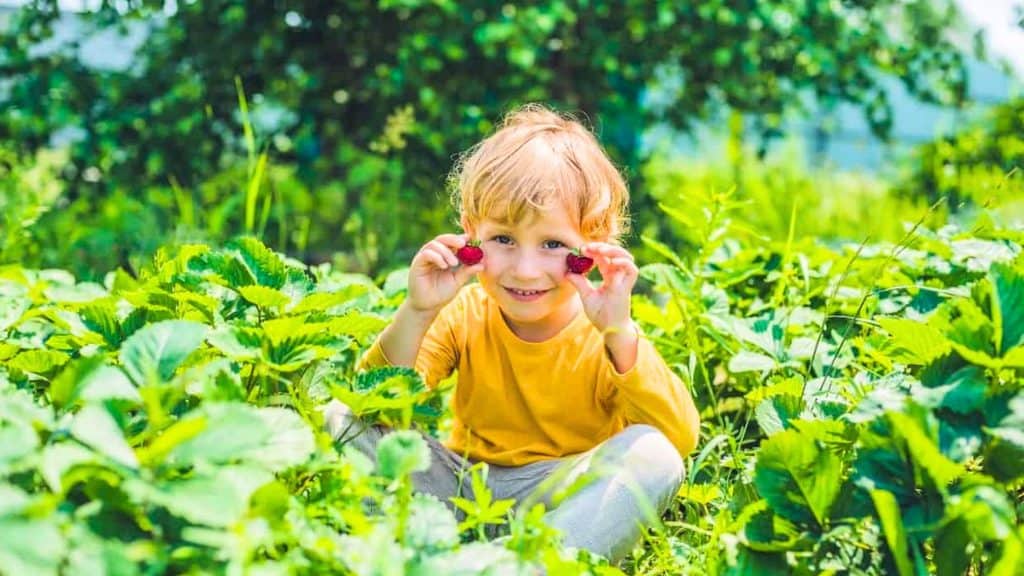
U.S. farms sold $3.26 billion worth of food and drink directly to consumers in 2022, a figure that spans direct-sales channels including farm properties, farmers’ markets and other outlets, and should not be read as a measure of u-pick activity alone. People keep coming back for ripe fruit pulled straight from the branch, kids loose in a field, an afternoon that feels nothing like a grocery store run. What most of them never think to ask about is how much is actually expected of them once they walk through the gate.
To taste or not to taste
Many u-pick visitors are tempted to taste fruit while they pick, and whether that is allowed depends entirely on the farm. Some build sampling in as part of the experience, treating a few berries eaten in the field as something visitors are already paying for. Others prohibit eating anything in the field, a policy farms set and communicate usually via signage when you enter.
The safest bet is to check before reaching for anything and, if nothing is posted, ask. Even where sampling is permitted, visitors should keep it modest rather than treating the field as an extended snack break.
Pick what you’re going to take
Dropped or damaged fruit can contribute to crop loss and may create additional cleanup or pest-management problems for the farm. Many farms post or explain procedures for damaged or unwanted fruit that visitors are expected to follow. When a berry comes off wrong or a piece of fruit turns out to be unripe, the right move is to ask a staff member rather than leave it in the row. As general etiquette, picking at a pace that matches what is going into the bag and leaving anything uncertain on the branch reduces crop loss and makes the visit easier for everyone.
Picking technique varies by crop; some fruit is twisted off the stem, some is snipped and some is best left unsqueezed when checking for ripeness. Farms often post instructions or offer a brief demonstration at the start of a visit. Following those instructions isn’t just for a good picking experience, but it protects the plants.
Stay where they send you
Picking rows are designated for specific reasons, and “do not enter” signs mean what they say. Farms may close rows because crops are not ready, work is underway or an area presents a safety or property-management concern, including sections where machinery may be operating or ladders are in use.
A visitor who wanders out of an assigned row because the fruit looks better two sections over may be walking into an area where no one is watching for them. Visitors should assume that closed areas may not be monitored for public access. The safe approach is to stay in the assigned row, work the open section and check with a staff member before moving anywhere that is not clearly open.
Kids are welcome, but the crops are not a playground
U-pick farms are genuinely great for kids, and most are built around the expectation that families are coming. What farms are less built around is sending staff down the row twice to clean up after unsupervised children.
The expectation at most u-pick operations is that parents keep children within sight and within the row. Running between plants, stepping across rows rather than walking around them, shaking branches to see what falls and climbing trees are the specific behaviors farms post signs about, and the reason is straightforward. A broken branch on a fruit tree does not grow back cleanly. It opens the tree to disease and can affect production for seasons to come. Trampled plants in a berry row are gone for the year.
The OSU Extension guide for u-pick operators identifies crop damage from visitors who don’t know how to handle the plants as one of the central risks farms have to manage, and unsupervised children are a common source of it. The experience is genuinely better for kids when adults stay present, not hovering but close enough to redirect before the redirect becomes a conversation with a staff member. A little supervision is what makes it possible.
Phones, photos and where it gets complicated
Many farms allow ordinary visitor photography, but policies vary. A shot of a full haul, kids at the end of a row or afternoon light through the apple trees is the kind of moment most farms have no objection to capturing.
The friction comes when the camera becomes the point of the visit and the picking becomes secondary. Some farms schedule private or professional photography separately from public u-pick hours because a professional setup can interfere with other visitors unless the farm has designated space or a photography policy in place. A casual phone shot is part of the experience, but blocking a row for an extended session while other visitors work around it is something else. Checking the farm’s photography policy before arriving is worth the extra minute.
What to bring and what to leave behind
A few practical things can catch most first-time visitors off guard. Many farms restrict pets in picking areas, while others allow them under specific conditions; checking the farm’s policy before arriving helps avoid problems at the gate. Service animals are a separate issue. Under the ADA, they are generally permitted in areas of a business open to the public, even where pets are otherwise prohibited, subject to limited exceptions. If in doubt, call ahead.
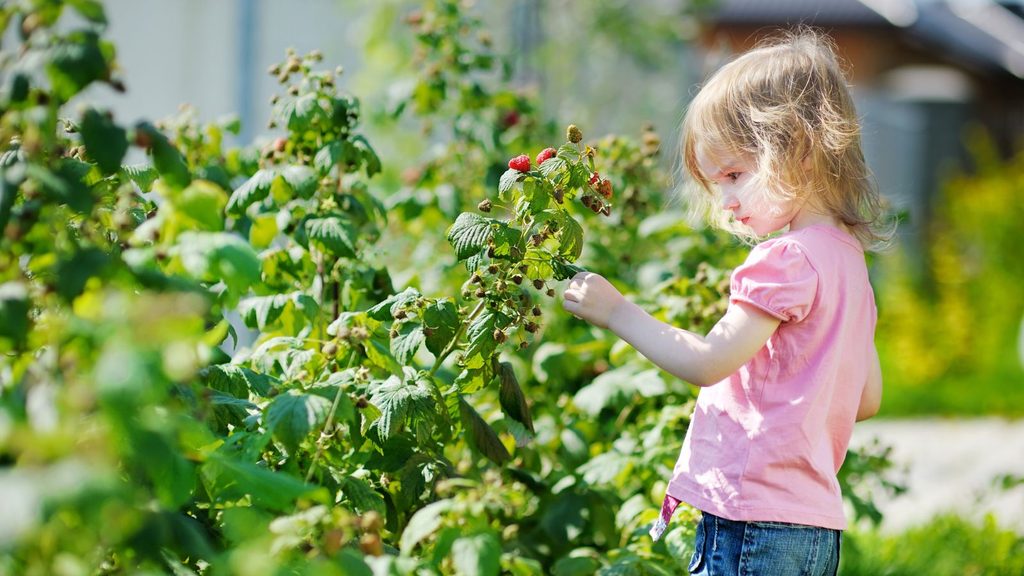
Payment method varies by farm, with some accepting cards and others operating on cash only. Also ask about containers. It’s worth confirming ahead of time whether the farm provides picking containers, permits visitors to bring their own or charges an additional fee. And regardless of the forecast, expect uneven or muddy ground on farm property. Closed-toe shoes with good traction hold up better than sandals or white sneakers.
Be a good guest
When you go to a U-pick farm, you’re right in the middle of the harvest. The farms doing this well are the ones where visitors understand they are guests on a working piece of land, not customers browsing a store. Fruit handled with some care is less likely to arrive home damaged. The experience holds up better when visitors go in knowing what to expect. Clear expectations on both sides make the operation easier for farms to manage and the visit more enjoyable for everyone who shows up.
Jennifer Allen is a retired chef turned traveler, cookbook author and nationally syndicated journalist; she’s also a co-founder of Food Drink Life, where she shares expert travel tips, cruise insights and luxury destination guides. A recognized cruise expert with a deep passion for high-end experiences and off-the-beaten-path destinations, Jennifer explores the world with curiosity, depth and a storyteller’s perspective. Her articles are regularly featured on the Associated Press Wire, The Washington Post, Seattle Times, MSN and more.