
That modem screech could make a whole house listen. Getting online in the 1990s meant calling an ISP, tying up the family phone and waiting through a noisy handshake before a page began to load. The hassle was real, but it also made each session feel like an event. That is why these dial-up memories can still feel so sharp.
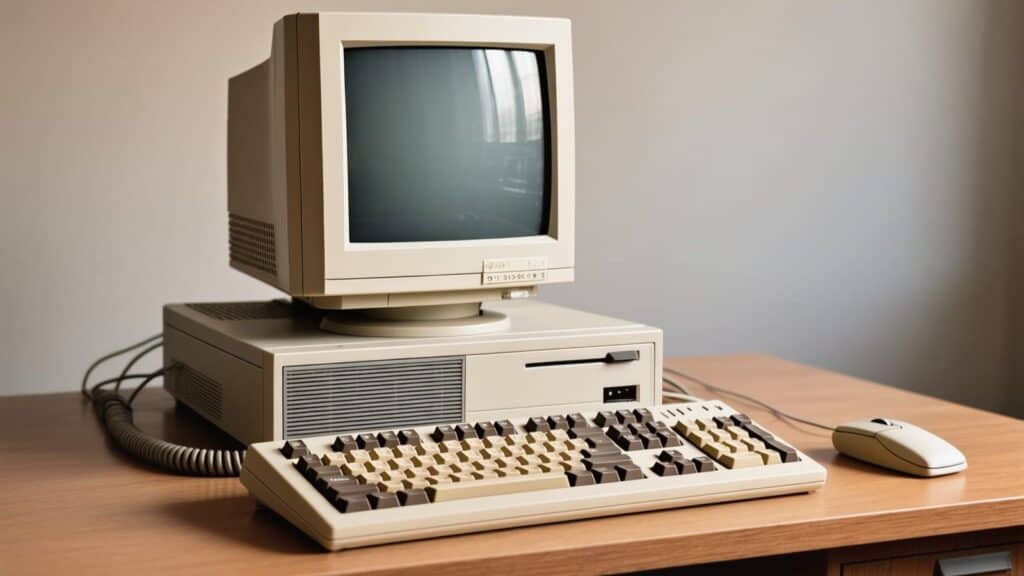
The Screech That Meant You Were In
Those beeps, whistles and bursts of static were part of a real modem handshake. The two modems traded signals over the phone network and found settings they could both use before the session began. You were hearing the connection work itself out in real time.
Those 3 Little Words: You’ve Got Mail
AOL made new email feel like an event with its “You’ve got mail” greeting. Elwood Edwards recorded the phrase at home in 1989 and made $200 from the recordings. He also voiced AOL’s “Welcome,” “Goodbye” and “File’s done” messages.
The ICQ Uh-Oh
ICQ arrived in November 1996 from Israeli student creators and gave users numbers instead of names. Early IDs were six digits before the system grew. A message arrived with the famous “uh-oh” alert, a sound that could pull your eyes right back to the screen.
The AOL Discs That Followed You Everywhere
AOL trial discs turned up in magazines, mail-order catalogs and even cereal boxes. Former AOL marketing chief Jan Brandt later said that, at one point, half of the CDs made worldwide carried an AOL logo. You did not need to look hard for AOL because AOL kept finding you.
Waiting Forever for 1 Song
Dial-up made a short download feel like a big job. By the 56K era, one MP3 could still tie up the phone line for 10 to 20 minutes. A dropped connection could send you back to the start.
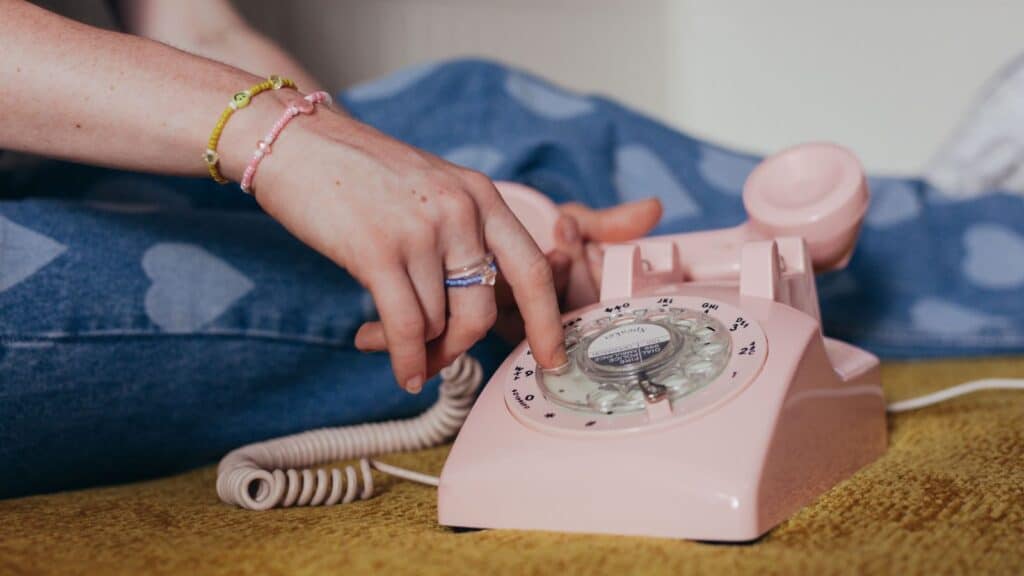
The Family Phone-Line Standoff
Traditional dial-up used the home telephone wires. That meant a modem session was part of the phone system, not a separate service beside it. In a one-line home, family members quickly learned that touching the phone could end somebody else’s internet time.
Getting Kicked Offline Mid-Chat
A dial-up session could end with little warning. Call waiting could interrupt a data connection, as modem manuals warned users at the time. Losing a chat or download meant dialing back in, hearing the handshake again and starting over.
Screen Names That Aged Badly
Your screen name could last longer than the taste that made it. AOL users took online names seriously, and simple choices became harder to claim as the service grew. The Washington Post reported in 1999 that late users often ended up with short forms or strings of digits.
Your Buddy List Was Social Headquarters
AIM launched in May 1997 and made the Buddy List a social control panel. You could see whether friends were online and wait for the right name to appear. Door-opening and door-closing sounds told you when buddies signed on or off.

Chat Rooms Made the Internet Feel Huge
AOL had an estimated 19,000 chat rooms by 1997. “A/S/L,” short for age, sex and location, became a familiar opener when strangers met online. For a kid at one home computer, chat rooms could make the world beyond the neighborhood feel much closer.
Building Your Own GeoCities Corner
GeoCities let regular users build personal homepages, and millions of people did. Yahoo agreed to buy the service in 1999. “Under Construction” graphics became so tied to the era that the Museum of the Moving Image later built an exhibit from 322 such GIFs found in millions of old GeoCities pages.
The Wait Still Feels Different
Dial-up was a pain, yet its limits gave the internet a clear start and finish. You chose to connect, heard the machine work and knew the phone line was busy. Modern access is faster and easier, but dial-up made going online feel like a place you had reached. That sense of arrival is what nostalgia keeps bringing back.