
A debit card that works at home can still fail when you need a train ticket, hotel deposit, or cash abroad. The problem is not always your balance. Security checks, PIN rules, daily limits, holds, network compatibility, and the physical card can all stop a transaction. A few checks before departure can make those problems easier to avoid or solve.
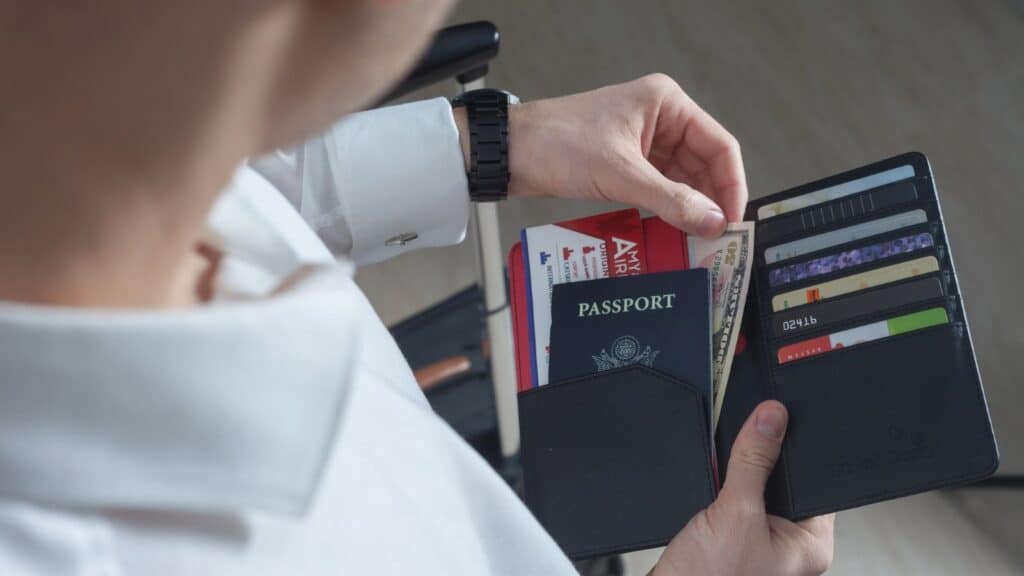
Foreign Activity Trips a Fraud Alert
An overseas purchase can look unusual to your bank. The FTC says foreign charges or other unusual activity can trigger an issuer to lock an account to prevent fraud. Before leaving, update your contact details, turn on transaction alerts, and check your bank’s current travel instructions. Do not assume an old travel-notice routine still applies.
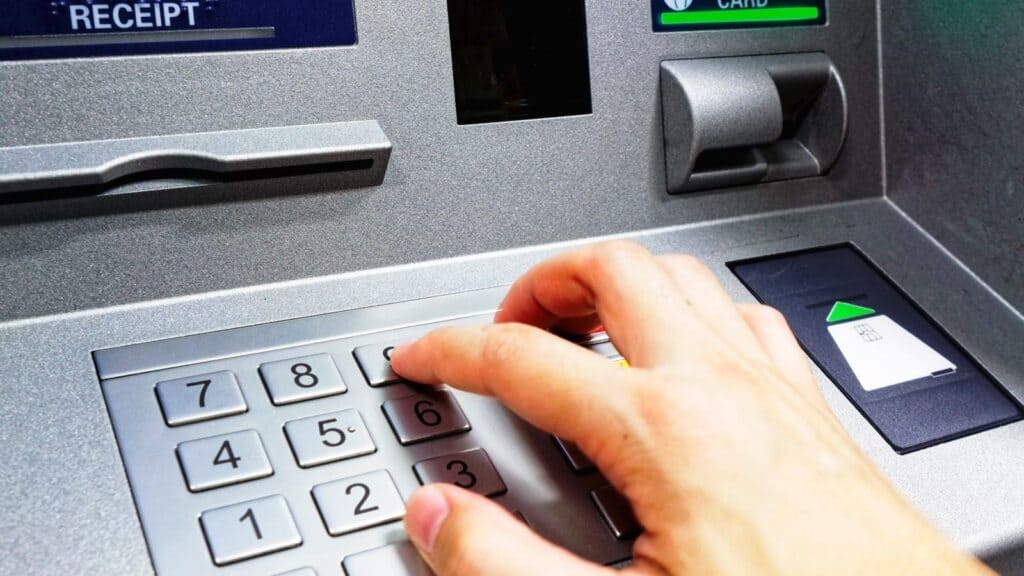
A Terminal Requires Your PIN
Some overseas terminals require a PIN even when another checkout might not. Wells Fargo advises travelers to know their PIN because ATMs and some unattended terminals require it. Confirm yours before departure rather than guessing at a machine. If you forgot it, ask your bank how to reset or retrieve it before you travel.
An Unattended Kiosk Cannot Complete the Transaction
Ticket machines, parking terminals, and fuel pumps can be less forgiving than staffed checkouts. Some unattended terminals require a PIN, so the transaction can stop if you cannot verify the machine’s request. Try a staffed counter or another payment method instead of repeatedly retrying the card. Some local cash can cover small purchases when no cashier is available.
You Hit a Daily Purchase or ATM Limit
Your balance is not the only number that matters. Banks can set daily ATM and debit-card limits. Capital One, for example, says 360 Checking accounts have a $2,000 daily ATM withdrawal limit, while limits vary by account. Review yours before traveling. Some banks may allow temporary increases, but approval depends on the issuer.
A Hold Ties Up Part of Your Balance
Hotels, rental-car companies, restaurants, and fuel stations may place temporary holds on debit cards. Georgia’s Consumer Protection Division says these holds reduce available cash and notes that gas-station holds can reach $175 at the pump. Ask about hold amounts in advance and leave extra room in your balance for later purchases.
The ATM Does Not Support Your Card Network
An ATM still has to accept the network attached to your card. Mastercard tells travelers to look for the Mastercard, Maestro, or Cirrus logos before using an ATM. If the machine does not show a network your card uses, find another ATM. Checking the logos first can rule out a compatibility problem before you call your bank.
Your Issuer Blocks Transactions in That Country
Some financial institutions restrict debit-card use in certain countries because of fraud trends or sanctions-related restrictions. Collins Community Credit Union, for example, publishes countries where debit activity is blocked. Your bank’s policy may differ. Check with your issuer before using the card in a country it restricts, and bring another way to pay.
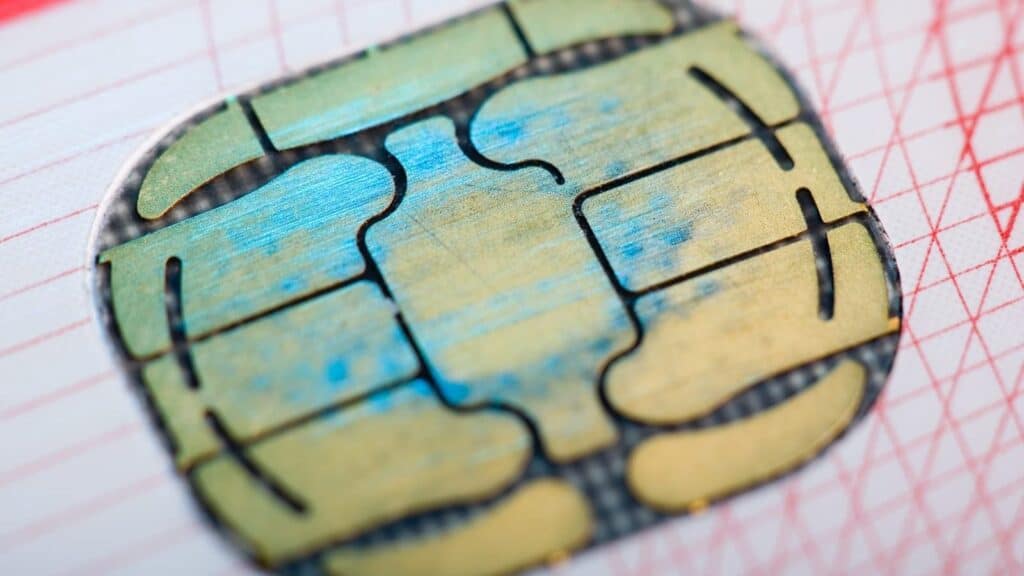
The Card Is Damaged
A worn chip or magnetic stripe can make a physical card harder to use. Chase says both components can degrade over time from repeated swiping and inserting. If the card becomes unreadable, you may need another payment method. Inspect it before leaving and carry a backup card or payment option separately.
The Card Expires During the Trip
A card can work at departure and fail after its expiration date passes. The same Chase guidance says debit cards are generally valid through the last day of the printed expiration month, then transactions are likely to be declined. Check the front or back before traveling. Visa offers emergency replacement services abroad, but replacing an expiring card beforehand is simpler.
Set Up the Card Before You Need It
A reliable travel setup is less about one magic setting than knowing your PIN, limits, expiration date, available balance, issuer rules, and backup options. Those checks cannot prevent every decline, but they remove several avoidable surprises. Keep your bank’s international contact details somewhere separate from the card so you can reach the issuer quickly if something still goes wrong.