
Getting lost in a cornfield has become a business model. Farms across the country now turn fall weekends into ticket sales, pumpkin purchases and family outings. That can add income beyond the harvest. However, the story is bigger than a roadside stand: it shows how farms learned to sell an experience without leaving agriculture behind.
Agritourism Is Already a Billion-Dollar Business
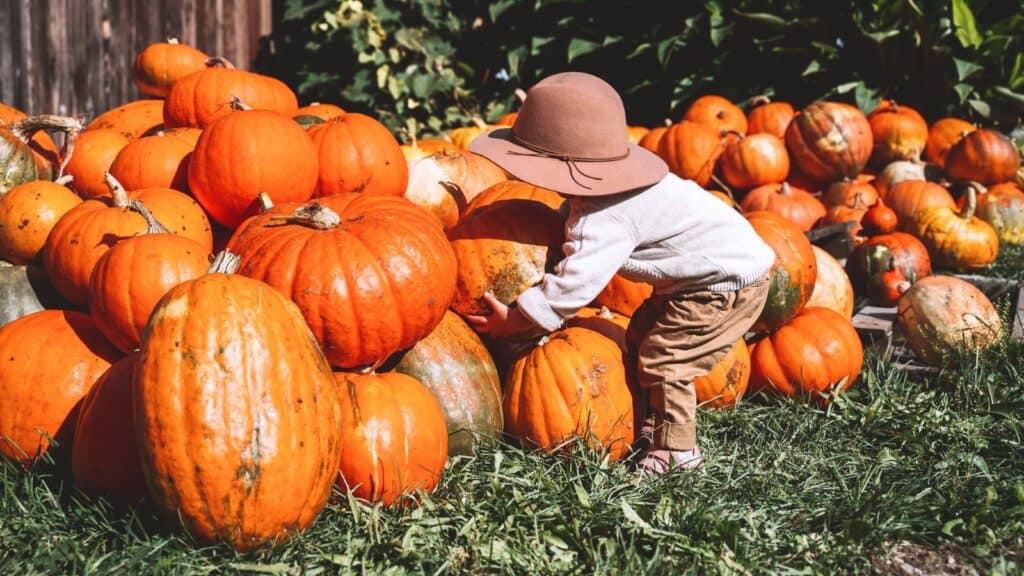
U.S. farms and ranches earned $1.26 billion from agritourism in 2022, according to USDA. That number covers many kinds of farm recreation, lodging and entertainment. It is not a total for corn mazes and pumpkin patches alone. Still, mazes, patches, festivals and petting zoos all fit inside the same business category. Paid farm visits have become a real source of income.
Farm Tourism Reaches Far Beyond the Midwest
USDA says 57% of U.S. counties reported agritourism income in 2022. The median county brought in $161,000. The 50 highest-income counties were spread across 23 states. Texas had eight of them. California, Colorado and Hawaii had four each. Fall farm attractions are not limited to one region.
The Maze Adds Revenue to the Field
At Boots Farms in Missouri, creating the corn maze takes about an acre of corn out of the harvest. The family told KCUR the maze still provides another source of farm revenue. The attraction charges $10 admission. A field can produce value as a visitor attraction as well as a crop.
Pumpkins Carry Real Farm Value
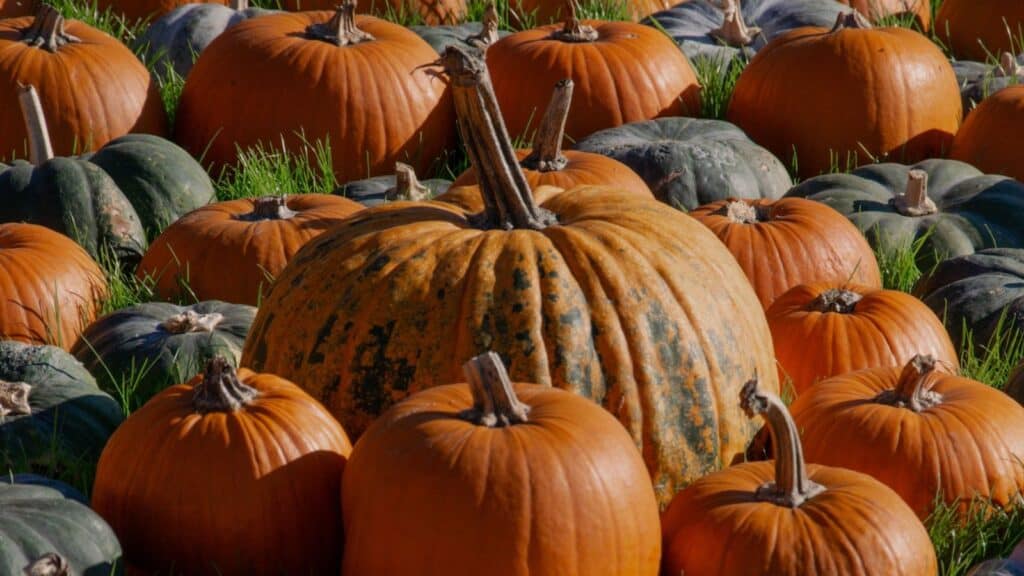
USDA counted about 1.47 billion pounds of pumpkin production in 2025. Utilized production was worth nearly $259 million. Illinois produced about 533 million pounds, more than a third of the U.S. total. The figures include fresh and processing pumpkins, not only jack-o’-lanterns. A fall patch sits on top of a much larger farm crop.
Fall Creates a Short Selling Window
Rutgers Cooperative Extension calls fall the most popular season for agritourism farm visits. Corn mazes, pumpkin patches and hayrides fit that window. That means operators have a short stretch to turn seasonal interest into visits. A good fall attraction has to make a brief calendar count.
Visitors Buy More Than Produce
Rutgers Cooperative Extension says agritourism links farming with tourism for fun, education, sales and a meaningful customer experience. That is why a pumpkin patch can sit beside a hayride, petting zoo or u-pick field. The pumpkin goes home with you. The visit is what turns the purchase into an outing.
Corn Mazes Became Designed Attractions
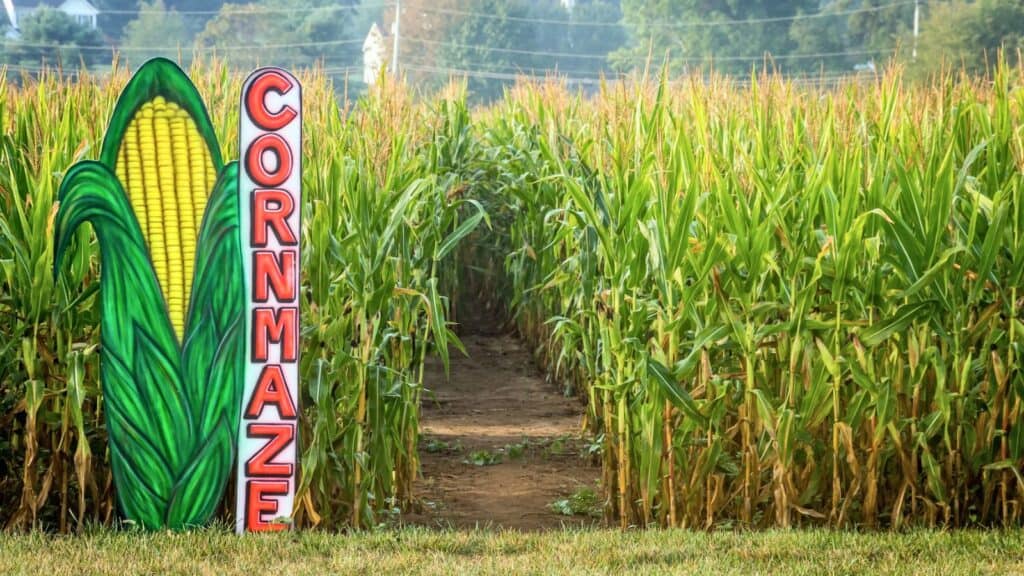
Modern mazes can use professional design and GPS-guided cutting. Precision Mazes says it plans fields from concept through completion using GPS technology and special cutting methods. The scale can get huge. Guinness verified a 65.8-acre temporary corn maze in Quebec in 2022. Corn rows can now become a planned attraction with a design of their own.
Why the Farm Itself Matters
What looks like an October tradition also shows how farms can earn from time spent on the property, not only from what leaves the field. Agritourism gives visitors a reason to see working agriculture up close, and it gives a farm a way to make the setting part of the sale. The strongest attraction may be the farm itself.