
Ring once, and the whole house knew. A landline call could stop dinner, start a hallway sprint, or force a private conversation into the kitchen. The hardware looks ancient now, but the stranger part is how much patience came built into using it.
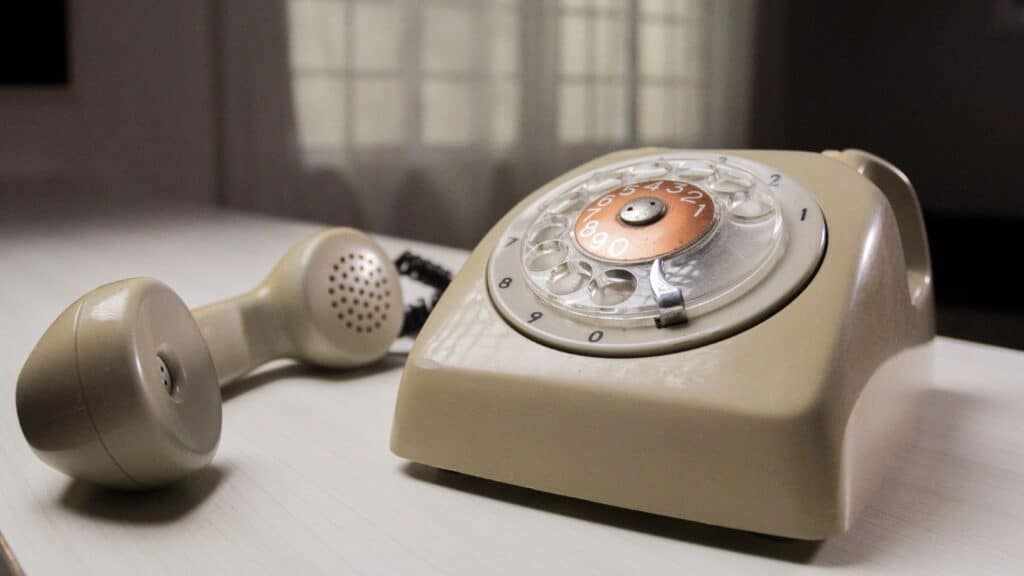
The Rotary Dial
Calling took finger work. On a rotary phone, each number sent a matching series of electrical pulses, so dialing a 9 physically took longer than dialing a 2. The rotary dial sprang back after every turn. Hit the wrong number and you usually started again.
A Cord That Set Your Roaming Limit
The handset was attached to the base by a coiled cord. You could pace, stretch and twist around furniture, but your conversation still had a hard boundary. Long calls often meant learning exactly how far that cord reached.
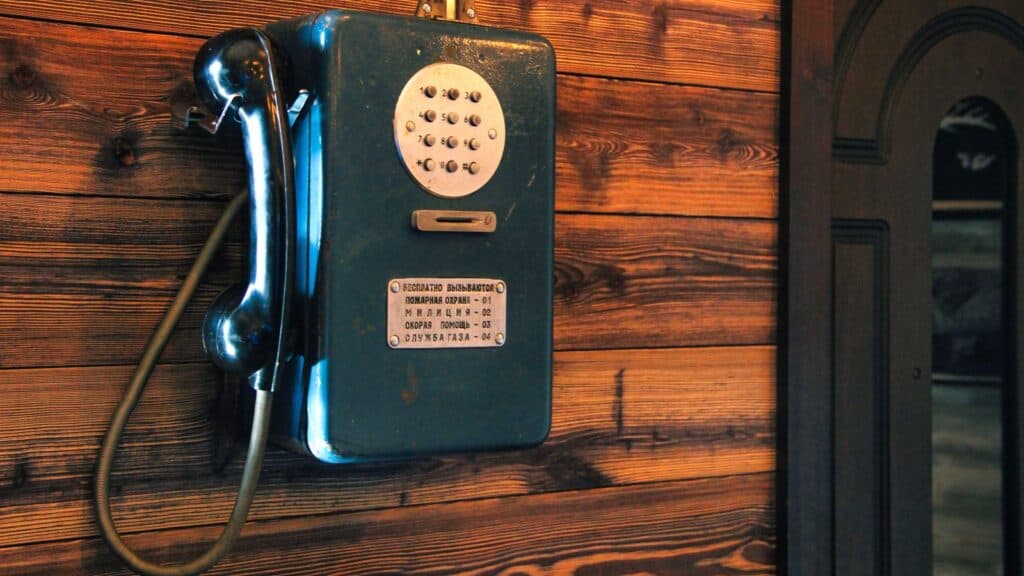
The Kitchen Wall Phone
Wall-mounted phones turned a busy room into a calling station. In many homes, the kitchen or hallway phone was where family messages arrived, and long conversations became public. Privacy often meant pulling the cord toward a doorway and hoping nobody listened.
Answering Machines With Real Tape
Messages did not always live in a remote mailbox. Automatic answering machines used magnetic tape long before digital storage took over. You could rewind a message, record over it, and reuse the tape. The machine sat beside the phone instead of storing messages on a network.
The Caller ID Box
Caller ID once required separate hardware beside the telephone. Early home systems displayed the incoming number on a small screen, and customers could pay a monthly service charge for the feature. By the late 1980s, Caller ID boxes were changing how people screened calls.
Phones You Did Not Actually Own
Bell built its early telephone business around leasing instruments instead of selling them. That approach made the phone itself part of the service rather than just something a household bought. For generations of Bell customers, paying for phone service could also mean renting the equipment.
The Busy Signal
A busy line had its own unmistakable sound. If the person you called was already talking and no call-waiting service intervened, you heard a repeating busy tone. There was no text to send. You hung up, waited, and tried again.
1-Button Redial
Redial felt luxurious after years of entering every digit by hand. Press one button and the phone called the last number again. It was especially useful when a line stayed busy, turning repeated attempts into a quick tap.
Waiting for the Beep
Leaving a message on an answering machine came with a cue: wait through the greeting, hear the tone, then speak. There was no typing, editing, or previewing. If you disliked what you said, you could hang up and call again.
Party Lines Shared With Neighbors
A party line put multiple households on the same telephone circuit. Picking up the receiver could reveal that a neighbor was already talking. An Associated Press report from 1989 described rural communities still phasing out party lines as private-line service spread.
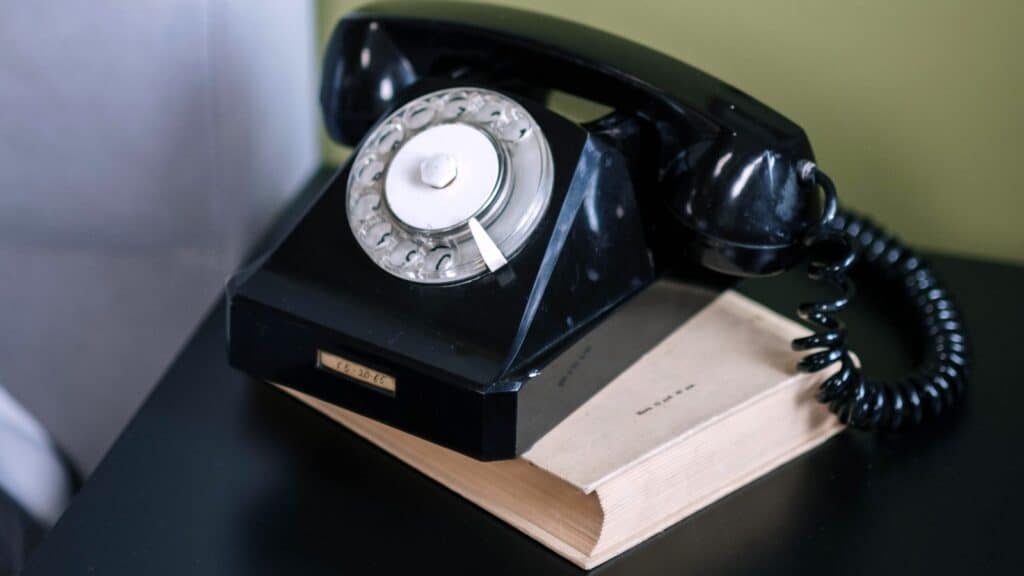
The Phone Book
Printed phone books became a fixture of twentieth-century telephone life. To find a number, you flipped through columns of names instead of searching the web. Smithsonian Magazine notes that printed telephone directories became ubiquitous during the twentieth century before the internet made them largely artifacts of an earlier age.
Long Distance by the Minute
Calling far away could change the household budget. Long-distance prices varied by the time a call was placed, with cheaper rates available during certain nights and weekends. In 1989, for example, a five-minute Los Angeles-to-East Coast call cost less during late-night and weekend hours than during business hours.
Collect Calls and 1-800-COLLECT
A collect call puts the charge on the person receiving it. MCI introduced 1-800-COLLECT in 1993 as another way to place long-distance collect calls. The company promoted it as a cheaper option, while the recipient still paid the bill.
The House Phone Changed More Than the Hardware
Landlines made communication a household event rather than a private stream attached to one person. That meant less convenience, but it also created shared rituals around who answered and who needed the line. Smartphones solved nearly every mechanical frustration here. What disappeared was the idea that a ringing phone belonged to everyone in the room.