
The sweet-and-salty combination has a history stretching back centuries, but the chocolate-covered pretzel is a much more recent invention. The biology behind why the pairing works took considerably longer to understand. Salt changes how the chocolate registers on the palate, and crunch shapes how the brain perceives flavor. Each bite combines salty, sweet, creamy and crunchy sensations, providing the sensory variety that can keep a food appealing even as sensory-specific satiety develops. Oct. 7, National Chocolate-Covered Pretzel Day, is the perfect time to understand why the snack is so hard to put down.
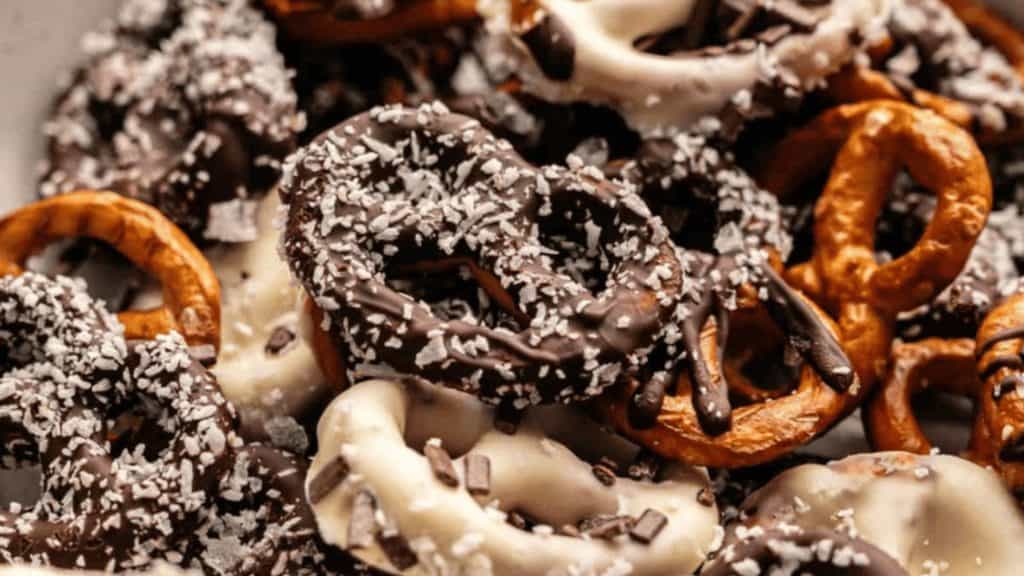
A 1581 cookbook by German court cook Marx Rumpolt includes a recipe called Precedella for small sweet pretzels made with flour, egg yolks, wine, sugar and anise. The documented recipe is for a sweet pretzel, not a chocolate-covered one, and the history of the chocolate version is less certain. The sweet-and-salty combination has worked on people for a long time, but the biology behind it took much longer to piece together.
Tastewise’s 2026 data shows the sweet-and-salty flavor profile up 29.3% in the sweet and savory snack category over the past year, while its intense-flavor signal rose 107.5%. ,What the lye bath actually does
Before a pretzel goes in the oven, the dough is submerged in an alkaline bath, traditionally lye and sometimes baking soda, that promotes Maillard browning during baking and produces the pretzel’s deep mahogany color. This also helps it develop a shiny exterior and the mineral tang that separates it from plain salted bread.
That reaction leaves behind a slight, unmistakable edge and changes the dough’s surface chemistry. During baking, heat sets the crust and produces the pretzel’s glossy, snappy texture. Chocolate carries bitter compounds from cocoa, and research has found that sodium can suppress the bitterness of some compounds, with evidence that this effect occurs at peripheral taste receptors on the tongue. Research shows that sodium can suppress bitterness, including at some bitter taste receptors, although the effect varies substantially depending on the bitter compound involved. In a chocolate-covered pretzel, that suppression may make the chocolate’s sweetness and cocoa character seem more pronounced. In some bitter-sweet mixtures, reducing bitterness can make sweetness more prominent, and the chocolate ends up tasting richer than it actually is.
The crunch is doing something too
Published research on multisensory flavor perception has documented how the sound food makes when bitten shapes how it is perceived. In one experiment, participants who heard a louder, higher-pitched crunch rated identical potato chips as roughly 15% fresher and crispier. The food was identical. The sound changed the experience.
Psychologist Charles Spence has called sound the forgotten flavor sense, rarely accounted for in conventional taste research. A chocolate-covered pretzel can deliver a clear, loud crunch with every bite, a signal that smooth chocolate alone could never provide, and the combination registers on both sensory channels at once.
Why the bag empties
Sensory-specific satiety is the decline in a food’s pleasantness or appeal as you eat it, even while other foods remain appealing. Research has linked the phenomenon to activity in the orbitofrontal cortex, the brain region that represents food reward and pleasantness. A food’s appeal often declines as it is eaten, which is why a full dinner can leave someone satisfied while dessert still sounds appealing.
Research on food variety has found that introducing different flavors or foods can reduce that decline in pleasantness and increase short-term intake. The contrast between sweet and salty may help maintain interest, though research on sensory-specific satiety does not by itself prove that chocolate-covered pretzels prevent satiety more than either ingredient alone. Food researchers have studied the effect of sensory variety on eating for decades, and it is a plausible explanation for why the combination stays appealing longer than a single-note snack tends to.
Where the trend goes next
The same data shows a crunchy-texture signal up 30.5% and a comfort signal up 61% in the snack category over the past year. Humans show a strong biological preference for sweetness, while sodium’s effect on bitter perception adds another layer to why the pairing works on the palate. Growing interest in combinations such as hot honey, fig, prosciutto and caramel sea salt and even pretzel pancakes points in the same sweet-and-salty direction.
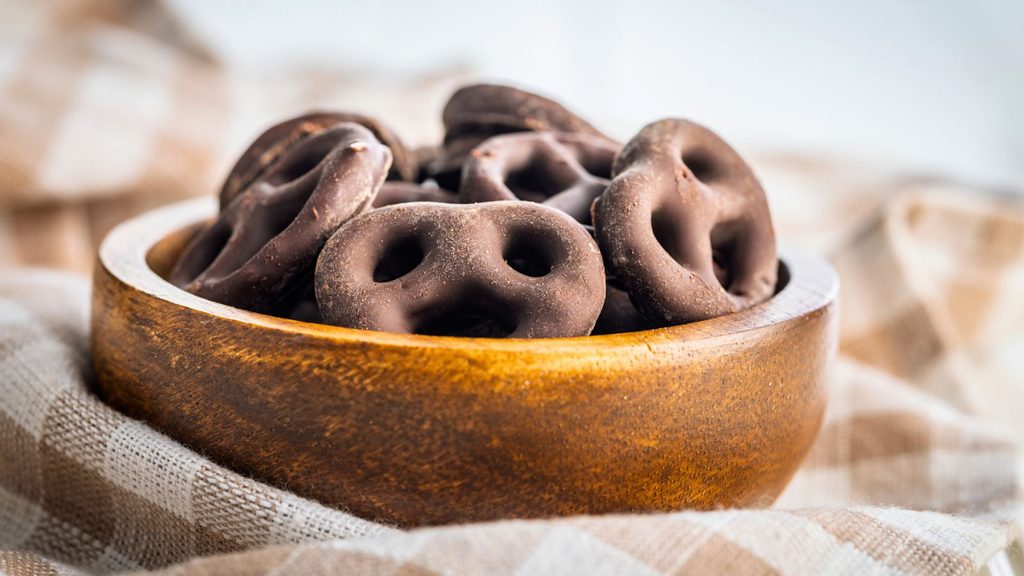
The sensory mechanisms that make chocolate-covered pretzels appealing are not unique to the snack. They reflect how taste, sound, and appetite interact, and the chocolate-covered pretzel engages all of them at once.
Jennifer Allen is a retired professional chef and long-time writer. Her work appears in dozens of publications, including MSN, Yahoo, The Washington Post and The Seattle Times. These days, she’s busy in the kitchen developing recipes and traveling the world, and you can find all her best creations at Cook What You Love.