
The weeks deer are most dangerous on roads are the same weeks drivers flock to some of the country’s most popular fall routes. Every year from mid-October through mid-December, the whitetail breeding season drives a sharp rise in deer movement and animal-vehicle collisions. This is the same period that draws travelers to peak foliage across the Northeast, the Appalachians, the Great Lakes and other colorful areas. Hunters have long planned their fall around this window, and many road trippers heading out on the same routes have never thought about it.
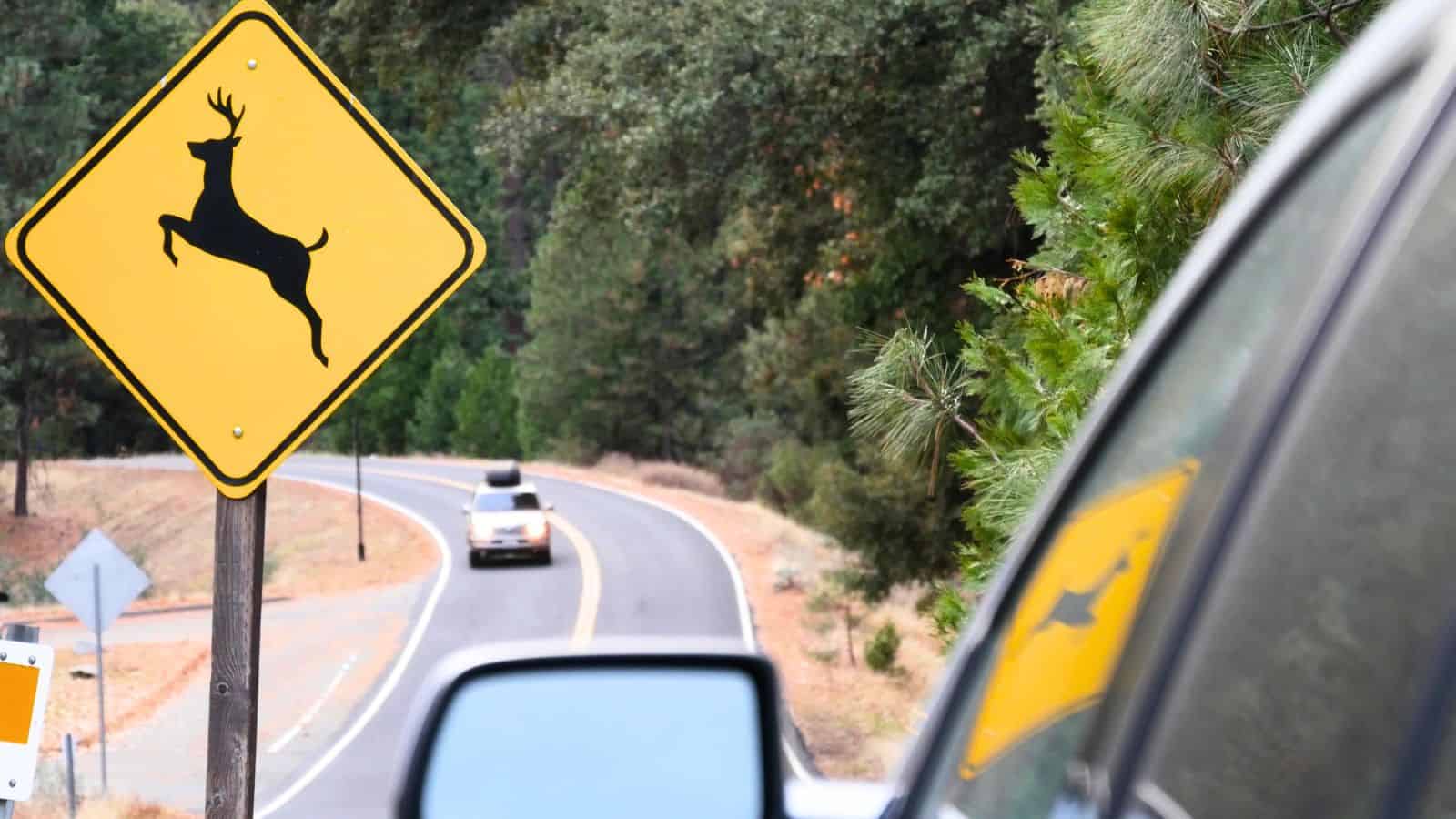
Deer behavior during the breeding season is something hunters track closely, studying rut timing and movement patterns, adjusting for dawn and dusk windows and planning around the weeks when bucks are most active on the landscape. Travelers planning fall drives are working from an entirely different checklist of foliage forecasts, cabin availability and which overlooks are worth stopping at. The result is two groups heading into the same territory during the same weeks with very different awareness of what’s out there.
Fall’s peak foliage weeks are also its most dangerous for drivers
Between July 2025 and June 2026, more than 1.6 million animal collision insurance claims were filed across the U.S., with November, October and December ranking as the three most dangerous months in that order. An earlier report found those three fall months account for 41% of all annual animal collision claims, with the national likelihood of an animal collision estimated at 1 in 145. In the states with the highest concentration of deer activity, including West Virginia at 1 in 46, Montana at 1 in 54 and Wisconsin at 1 in 62, those odds get considerably shorter.
The calendar overlap most fall drivers never see coming
A University of Wisconsin-Madison and Wisconsin DNR study tracking GPS-collared bucks found that movement rates climbed steadily through the peak rut weeks, with activity spiking at dawn and dusk throughout. During the breeding season, bucks move more and travel farther than at any other time of year, which puts them in the path of vehicles far more often. That surge runs directly through the same calendar window as peak fall foliage across much of the country.
The Pennsylvania Game Commission examined over 6,000 does collected from 2000 to 2007 and found that 9 out of 10 were bred from mid-October to mid-December, with peak breeding in mid-November. Timing varies by region, but the overlap with foliage season holds across the most popular fall driving destinations. The Smoky Mountains see their most vivid lower-elevation color from mid-October through early November. The Blue Ridge Parkway peaks mid to late October depending on elevation. New England’s prime window generally runs from early October in the north to mid-October and beyond as the season moves south. Dawn and dusk are established peak periods for deer on roads, which are also the natural bookends of a road trip day for travelers trying to catch the best light.
Scenic routes carry higher deer strike risk
Wildlife-vehicle collisions occur disproportionately on rural, two-lane roads near forested cover and habitat edges, which describes much of the terrain road trippers seek out in fall. The states with the highest animal collision odds are home to some of the country’s most popular fall drives, including West Virginia’s Seneca Rocks corridor, Wisconsin’s Kettle Moraine, Montana’s Flathead Valley, and the Highway 83 corridor through the Seeley-Swan Valley. Travelers pick these roads for the scenery; the deer are already there.
How to drive these roads smarter
Dawn and dusk are established peak periods for deer activity, and experienced fall drivers treat those hours on rural roads with extra caution, slowing down and giving themselves enough stopping distance if an animal crosses. Wildlife and transportation agencies advise braking firmly and staying in the lane when a deer appears, rather than swerving. Swerving can lead to collisions with other vehicles, trees or roadside objects, and the consequences are often worse than hitting the deer.
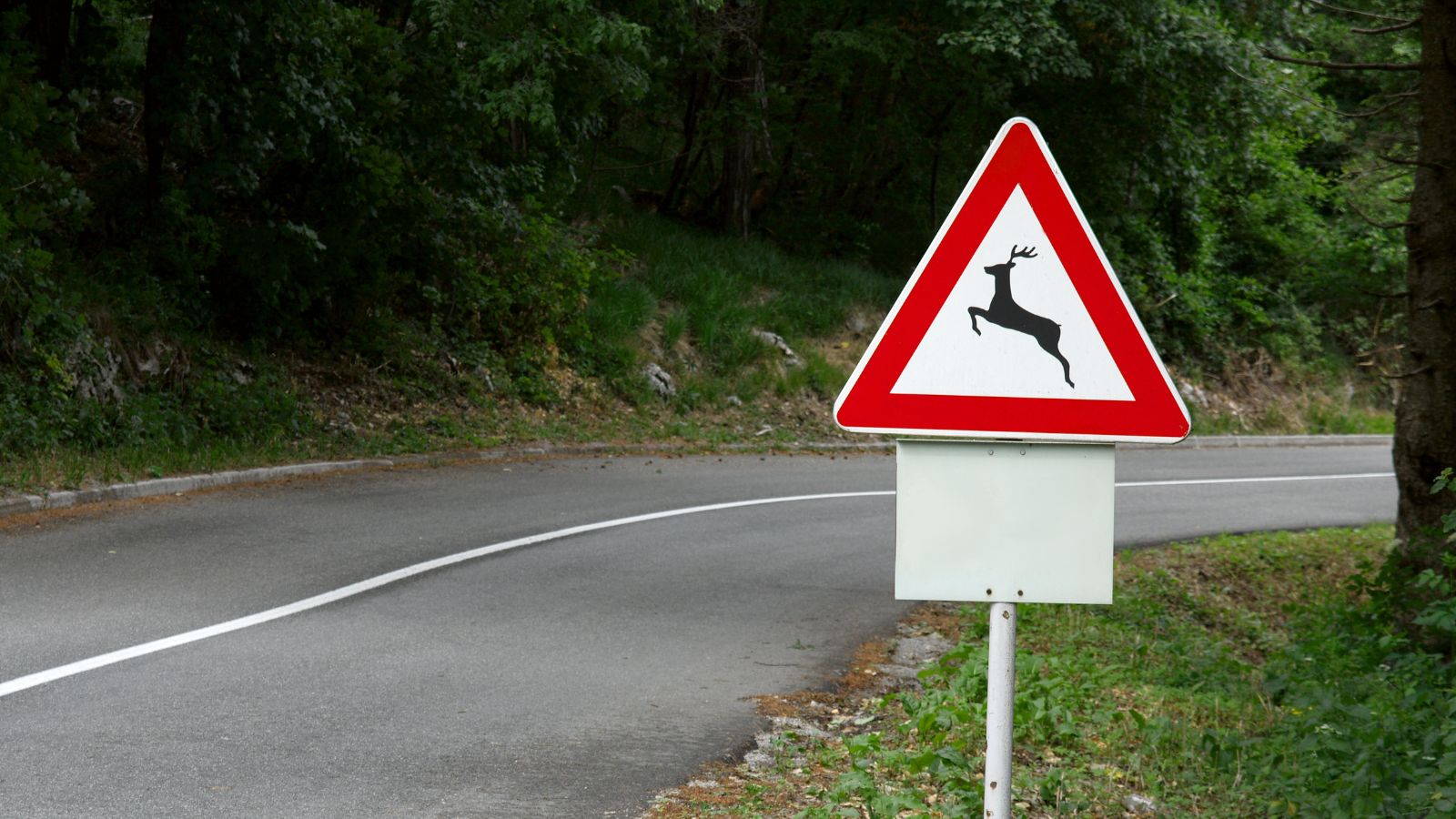
Agencies also advise watching for additional deer after spotting one near the road, as deer frequently travel in groups. Using high beams when there is no oncoming traffic improves visibility on unlit rural roads and gives drivers more time to react.
Fall driving has enough variables that seasoned road trippers already account for, such as weather windows, road closures and peak weekend crowds at popular overlooks. Deer activity follows a well-documented seasonal pattern, and knowing it exists before heading out is a straightforward advantage most fall drivers simply haven’t had.
Jennifer Allen is a retired chef turned traveler, cookbook author and nationally syndicated journalist; she’s also a co-founder of Food Drink Life, where she shares expert travel tips, cruise insights and luxury destination guides. A recognized cruise expert with a deep passion for high-end experiences and off-the-beaten-path destinations, Jennifer explores the world with curiosity, depth and a storyteller’s perspective. Her articles are regularly featured on the Associated Press Wire, The Washington Post, Seattle Times, MSN and more.