
Fall is a great time for hiking with your dog. The cool air and quieter paths that make autumn hiking feel like the easy season are masking everything that changed since July. The trail in October is a different place than the one from summer, and most dog owners walk into it without noticing.
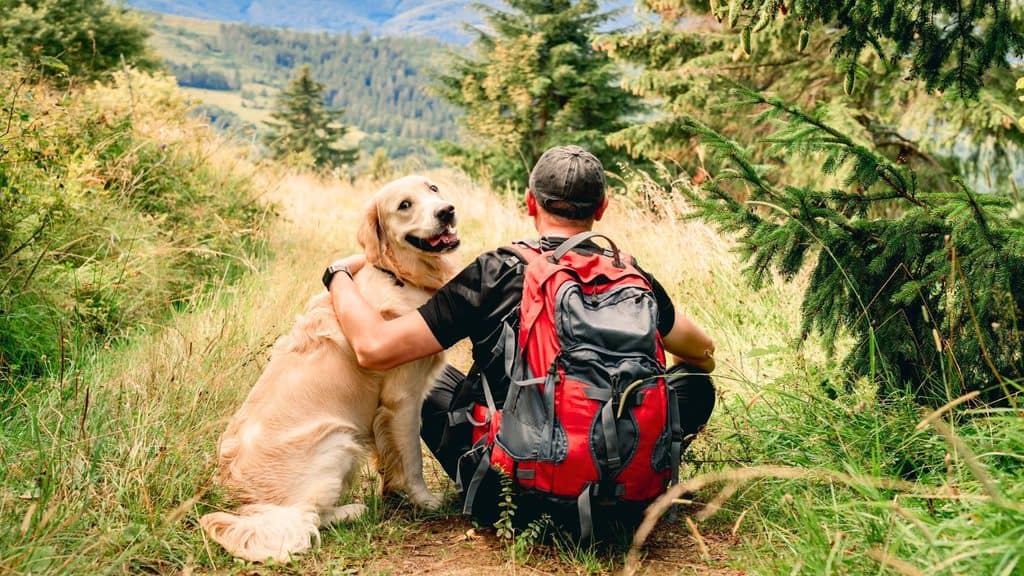
Fall is a major hiking season across much of the country, and the dogs are absolutely thrilled about it. The smells are different, the energy is higher, and the cooler air draws dogs and their owners to the trails for longer, more comfortable hikes. That enthusiasm is part of what makes fall hiking so enjoyable, and it is also part of what makes the season’s specific hazards so easy to miss.
Why fall is peak season for dog-hiking mistakes
Hiking has become the most popular outdoor recreation activity in America, with 63.4 million Americans hiking in 2024, a figure that has nearly doubled since 2012. The cooler temperatures make long hikes comfortable, foliage draws people to trails they’ve never visited, and dogs come alive in autumn air in a way that’s genuinely fun to watch. But the October trail is a completely different place than the July trail, with a changed floor, shrinking daylight and, in much of the country, more hunters in those woods than most recreational hikers expect. Dog owners who hiked all summer without incident carry that confidence into fall, and several of the season’s most common mistakes follow directly from it.
Dog owners ease up on the water
Cooler weather can make dehydration feel less urgent, but a dog can still lose substantial fluid during a long or strenuous hike. Owners who were diligent about hydration all season see the mercury fall and quietly stop pushing water on the trail, because it just doesn’t feel as necessary anymore.
The signs of dehydration in dogs are easy to miss until the problem has progressed. Dry or tacky gums, reduced skin elasticity and darker urine when a dog gets home are among the indicators veterinarians point to. A dog that seems fine at mile three can slow noticeably at mile four, and owners often chalk that up to tiredness rather than thirst. Offering water regularly, rather than waiting until a dog is obviously thirsty, is the most straightforward prevention on any fall hike.
The trail floor is a completely different place
Those beautiful fall leaves are covering mushrooms, acorns and ticks, all of them harder to spot once the ground disappears under seasonal debris. Wild mushrooms thrive in exactly the conditions fall creates, with cool temperatures, moisture and shade pushing them up fast after rain, often buried just under leaf cover, and identification is nearly impossible without expert training.
Mushroom exposure cases in dogs climb sharply in fall, with September and October consistently among the highest-risk months of the year. Some species cause only gastrointestinal upset while others cause liver failure. Some mushroom toxins can cause signs within minutes, while others may not produce symptoms for many hours, which is exactly why waiting to see how a dog responds is not a safe approach.
Acorns are at peak drop during the same window and dogs that eat them in quantity face tannin toxicity and gastrointestinal upset, while a whole swallowed nut carries a blockage risk. Ticks are also still active in leaf litter across much of the country during fall. A solid “leave it” command, practiced before the season starts, is the most useful tool a dog owner can bring on a fall trail, and after any autumn hike, paws, coat and muzzle all deserve a quick check for debris. If a dog sniffs or mouths something that might be a mushroom, photographing it and calling the vet immediately is the right call, because some species show no outward signs for hours.
Fall hiking also means hunting season
Big-game seasons, deer, bear and moose, generally run from October through January across most of the country, with dates that vary considerably by state, weapon type and land parcel. Trail organizations consistently advise that dogs in the woods during this period should wear blaze orange visible from all sides. A dog moving through brush at dawn or dusk, when hunting activity may be especially active and visibility is poor, is a genuine safety concern on any trail that permits hunting.
Checking season dates before heading out matters, and not just at the statewide level. Some trail segments close entirely during gun-deer season while adjacent ones stay open. Avoiding dawn and dusk can reduce some of the risks on hunting-accessible trails, and blaze orange vests made for dogs are widely available and inexpensive.
The daylight disappears faster than most people plan for
Daylight drops quickly from late summer into fall, and in many parts of the country the loss between August and October amounts to roughly two hours or more. That is a consistent change that catches hikers off guard when they plan fall outings the same way they planned summer ones. The common pattern is starting a fall hike at the same time as a summer hike, with the same rough sense of how long the loop takes, and then running out of light on uneven terrain with a dog off-leash.
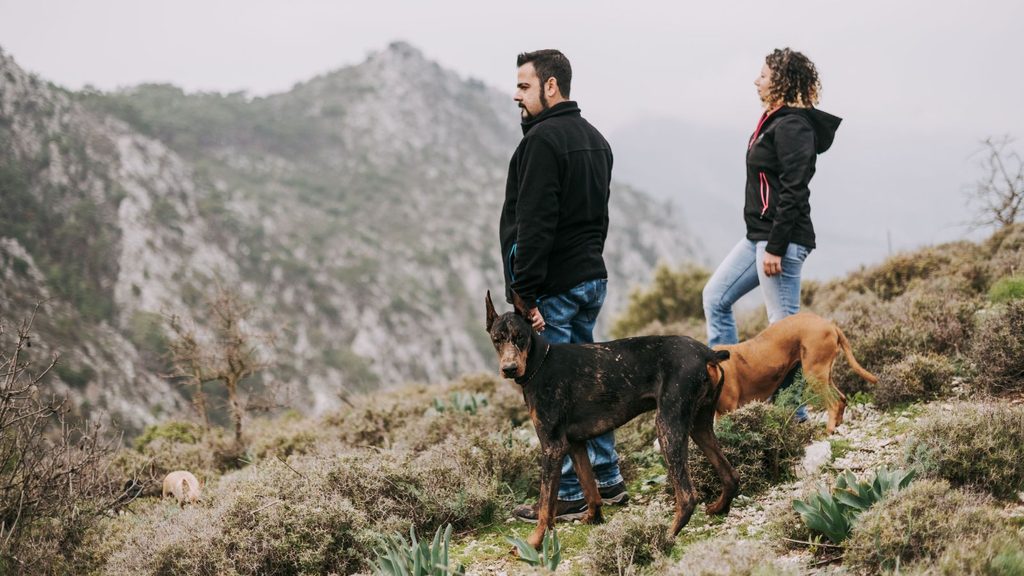
When Daylight Saving Time ends on Nov. 1 in 2026, sunset moves about an hour earlier by the clock overnight, and a trail that finished comfortably in July light becomes a different proposition entirely at that same start time in October. Looking up the specific sunset time for the day, not a general seasonal estimate, and planning to be back at the trailhead well before dark gives enough buffer for the pace adjustments that fall terrain often demands. A dog navigating rocky or root-crossed terrain in low light is an injury risk for both of them, and turning around early when a hike runs long is always the right call, since the distance out is the distance back.
The forgiving season requires a new checklist
The hiking boom has brought millions of new participants to the trail over the last decade, and most of them learned to hike in summer. Summer is a reasonable teacher for a lot of things, but it doesn’t cover what October puts on the ground, who it puts in the woods or how fast it turns the lights off. Seasonal knowledge gets built over years of repetition, and a lot of people heading out this fall are working from a sample size of one.
Mandy writes about food, home and the kind of everyday life that feels anything but ordinary. She has traveled extensively, and those experiences have shaped everything, from comforting meals to small lifestyle upgrades that make a big difference. You’ll find all her favorite recipes over at Hungry Cooks Kitchen.