
Somewhere in America right now, a restaurant is charging you $30 to feel something your grandmother gave away for free. Yelp’s 2026 Top 100 US Restaurants identifies a growing appetite for old-fashioned cooking, simple ingredients and restaurants that feel warm and personal. The trend, which Yelp identified as “grandma-core,” centers on food that evokes family recipes and the experience of being cared for at someone’s home.
The trend does not necessarily mean diners want to eat exactly what their grandmothers cooked. They want the feeling that those meals created. Slow-cooked dishes, handmade pasta, braised meats and familiar desserts can create the sense of sitting down at a family table rather than entering another polished dining room.
Grandma-core turns comfort into a dining experience
The idea fits a broader change in what diners say they want from restaurants. The National Restaurant Association’s 2026 Culinary Forecast identifies comfort and nostalgia as major forces shaping menus, while value is the major consumer priority.
The research describes diners as looking for food that connects them with memories while also helping them feel good about what they spend. Yelp’s list includes Pepp & Dolores in Cincinnati, Ohio, and Carmelina’s in Boston, Massachusetts, as examples of restaurants that deliver that old-world, personal appeal.
The Food Institute sees the same preference for familiarity. Their recent report on grandma-core cites research that shows 44.5% of consumers would rather see restaurants improve familiar favorites than chase the next trend. Chef Maricel Gentile told the publication that the greatest compliment she receives is that her food reminds guests of their parents’ or grandparents’ cooking.
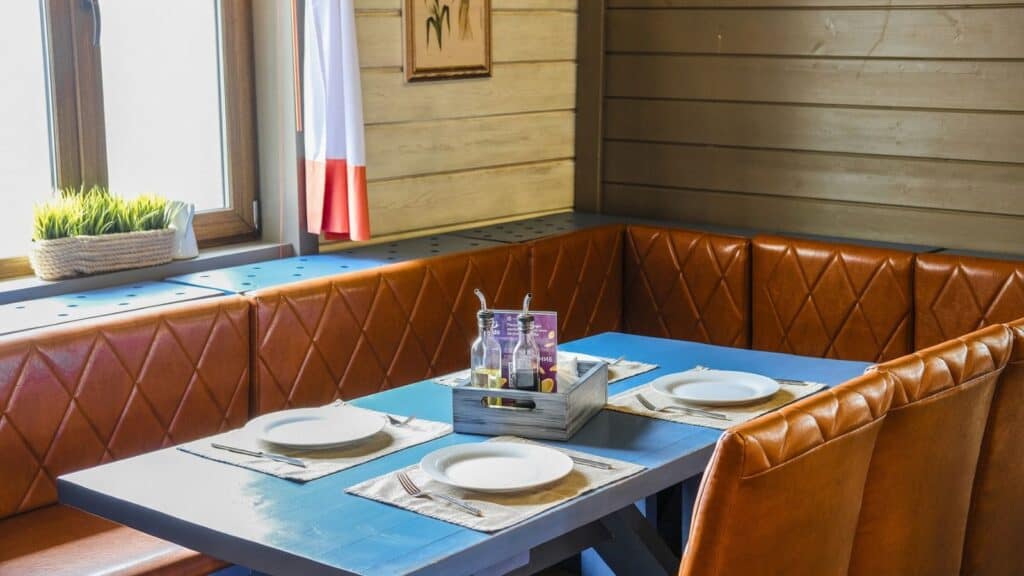
Grandma-core goes beyond a plate of food. Restaurants can create the atmosphere that surrounds it, too. Warm lighting, intimate dining rooms, traditional recipes and even mismatched plates help turn a meal into something that feels lived-in rather than manufactured. Tasting Table points to Enoteca Maria in Staten Island, New York, where grandmothers cook dishes from their own culinary traditions, as one of the clearest examples of the idea.
The $30 question behind grandma-core
That creates an interesting tension. Restaurants have discovered that familiar food can sell an experience, but diners still care about affordability. Good Housekeeping’s report on Yelp’s restaurant rankings found that 65% of the restaurants on the list cost less than $30 per person. The figure does not mean grandma-core restaurants are universally cheap, but it shows that comfort, nostalgia and value can coexist in the same dining trend.
That matters because the food at the center of grandma-core has never required expensive ingredients or elaborate technique. Chicken simmered in gravy, broccoli rice casserole pulled from the oven or a dessert made from pantry staples can deliver the same basic promise: food that feels familiar, generous and personal.
Shelby Stover of Fit as a Mama Bear still orders meatloaf at restaurants even though she can make it at home. Her grandmother made double batches for Sunday dinners, and Stover says that when a restaurant gets the glaze or texture wrong, “it loses that nostalgic, homemade feeling.” When it is done well, though, the dish brings her back to the simple dinners of her childhood.
Diners want food that feels human again
Grandma-core also arrives after years of restaurant culture that often rewarded novelty, precision and spectacle. Tasting Table describes the trend as a response to tech-driven dining, fast-casual meals and increasingly elaborate restaurant experiences. Instead of making the meal feel more futuristic, grandma-core makes it feel more human.
A grandmother who made a family-favorite dish, a classic copycat recipe or dessert like popcorn balls did not need a tasting menu, a reservation algorithm or an Instagrammable dining room to make dinner feel special. She knew who would be sitting at the table, what they liked and how hungry they were. The food carried that knowledge with it.
Lucy Brewer of Southern Food and Fun knows how deeply a recipe can hold a memory. She lived with her grandparents for several years, and whenever she returned home, her Granny had her favorite chocolate sheet cake waiting. After her grandmother’s passing, Brewer tried to make the cake for her own grandchildren but found it so emotionally difficult that it took years before she could make it again. “There was so much of her attached to it,” she says.
Chef Gentile makes a similar point, saying that the best grandma-core meal should not make diners feel as though they visited the past. It should make them feel cared for in the present. That may explain why the trend feels bigger than a restaurant aesthetic. The mismatched dishes are fun, but they are not really the point. The food gives diners a shortcut to a feeling of familiarity and care.
Real grandma-core is already in your kitchen
Restaurants can recreate the setting, but home cooks already have access to the most important part of the experience: the food. A chicken pot pie does not need a vintage dining room to feel old-fashioned. Homemade meatloaf does not need to be served on an old-school floral plate to feel nostalgic.
Michelle Goth of Blackberry Babe grew up with special dinners of pan-fried chicken, mashed potatoes, chicken gravy, green beans and yeast rolls. But she says restaurants near her typically deep-fry the chicken, and even the gravy or breading can be wrong. After years of restaurants failing to recreate the meal she remembered, she now makes it herself for special occasions. When the flavors are right, she says, it feels “like a big, warm hug from everyone that loved me as a child.”
This is the part of grandma-core that restaurants cannot really sell. They can recreate the visual language of a family kitchen, but every home already offers the thing those details are meant to suggest. Cooking an old-fashioned dish does not require anyone to manufacture nostalgia.
The smells fill the kitchen, the recipe becomes part of the household routine and the finished meal carries whatever memories the cook and the people at the table bring to it. Grandma-core may have given that experience a new name, but home cooks never needed one. They have been making it all along.
The feeling was never really for sale
Grandma-core reveals something about what modern diners value. Novelty still has its place, but familiar food can carry a different kind of appeal, particularly when people weigh the cost of eating out against what they get from the experience.
That is what makes the trend so interesting. Restaurants have turned recipes, settings and memories associated with home cooking into a dining concept, which gives diners a polished version of something deeply ordinary.
At home, that same appeal comes through the food itself. A family recipe gets made because someone asks for it. A familiar dish returns to the table because it has earned its place there. Over time, those small rituals give everyday meals meaning that no restaurant can manufacture on its own. Grandma-core may be having its moment in restaurants, but the tradition behind it has always belonged to the home kitchen.
Jessica Haggard is the creator behind Easy Homemade Life, where she develops comfort food for everyday meals and for gathering with the people you love. She’s especially known for recreating the restaurant dishes readers can’t stop thinking about and reviving old-fashioned potluck classics worth passing down, every recipe tested and perfected in her own home kitchen. Her work has been featured on Yahoo, The Washington Times, The Baltimore Post, Chicago Sun-Times and The Seattle Times.