
Cottar’s 1920s Camp sits in Kenya’s private Olderkesi Conservancy, part of the greater Maasai Mara, and it has launched a new lineup of themed dinners. One takes its cue from the baboon diet and opens with a fish course that ties back to a theory about who taught early humans to fish.
The fifth generation of the Cottar family owns and runs Cottar’s Safaris, which calls itself Africa’s oldest family-run safari company. “We wanted our dining experience to reflect everything that makes this place extraordinary,” said CEO and co-owner Louise Cottar.
Cottar’s 1920s Camp Adds 7 Themed Dinners
Cottar’s 1920s Camp now serves seven themed dinners. Each one looks at a different part of the world outside the tent, from Maasai tradition and native plants to early safari history and how primates find food. The company says the camp is one of only 12 accredited Global Ecosphere Retreats in the world.
What’s on Each Menu
The baboon menu leads off here, and the other six range from a Maasai smoke feast to a social barbecue night.
- In Competition with Baboons: Dinner opens with tilapia ceviche from Kenya’s Lake Victoria, a reference to the theory that baboons first showed humans how to fish. The meal ends with a gooseberry custard tart and gooseberry sorbet.
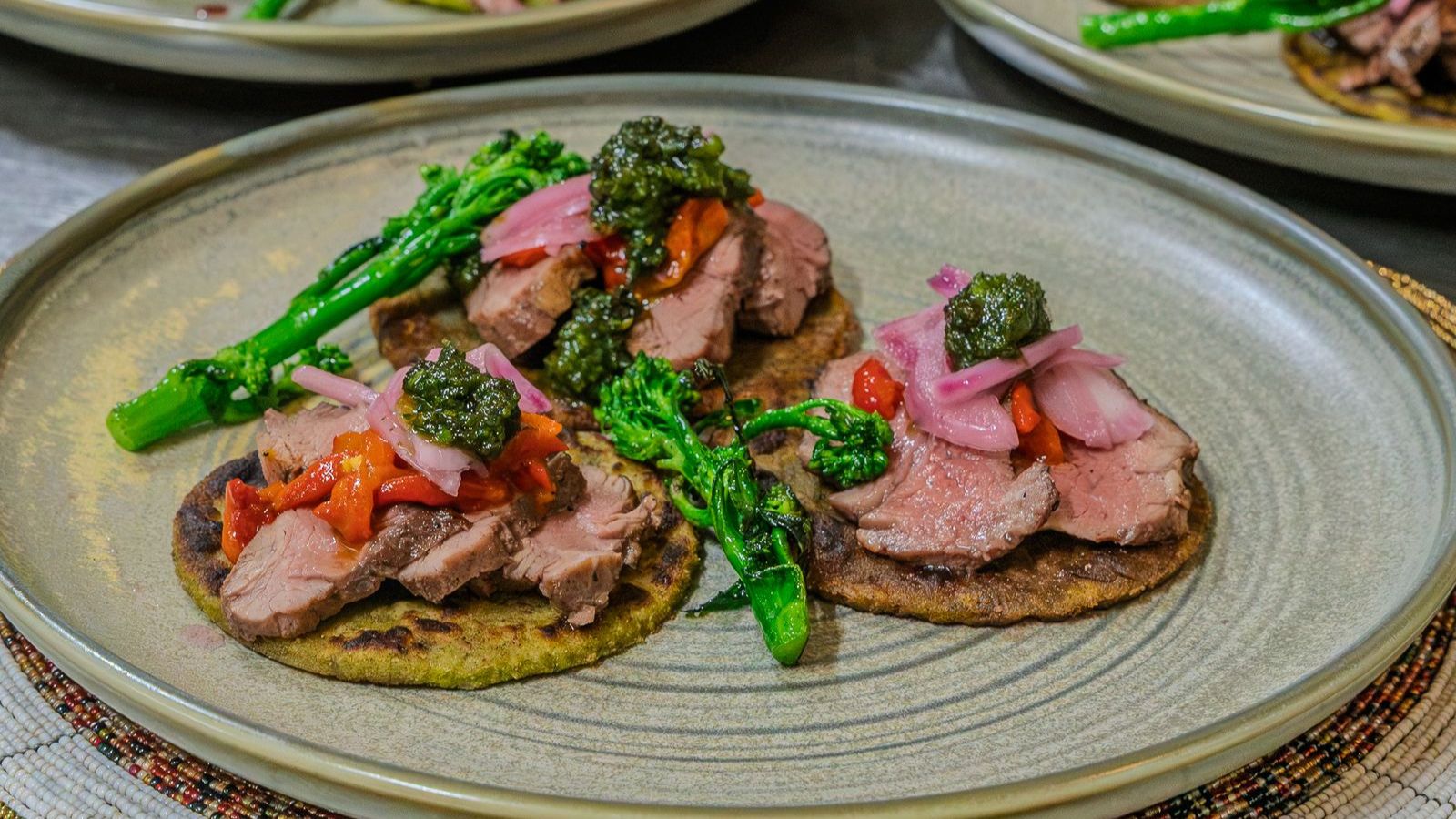
- Maasai & Smoke: The kitchen smokes Maasai Wagyu beef tenderloin over dried savanna grasses for the main course. Maziwa mala, Kenya’s traditional fermented milk, becomes a light parfait with passion fruit for dessert.
- The Invasive Menu: Cottar’s says the Maasai Mara has about 30 invasive plant species, and this menu takes that problem as its theme. A goat terrine makes the list because goats play a role in grassland damage, and wild nettle cake comes at the end.
- The Foraged Menu: Every ingredient on this menu comes from foraging in the grasslands and woodland around camp. Dessert features the Carissa edulis berry from the hills behind camp.
- The 1920s Menu: These dishes draw on recipes from early Cottar’s expeditions, when safari parties spent months deep in the bush. The hearty dishes cook over an open fire in cast-iron potjie pots, and a Pink Gin & Tonic sorbet follows the ossobuco.
- BBQ Eve: Guests gather around the fire for barbecue favorites like gochujang chicken and lamb chops. Fire-roasted fruit with sumac and yogurt cream wraps things up.
- Hints of Africa: Roast beef fillet comes with irio croquettes and kachumbari, East Africa’s fresh tomato salsa. Malva pudding with Amarula butterscotch closes the meal.
A Refreshed Mess Tent and a New Bush Dining Site
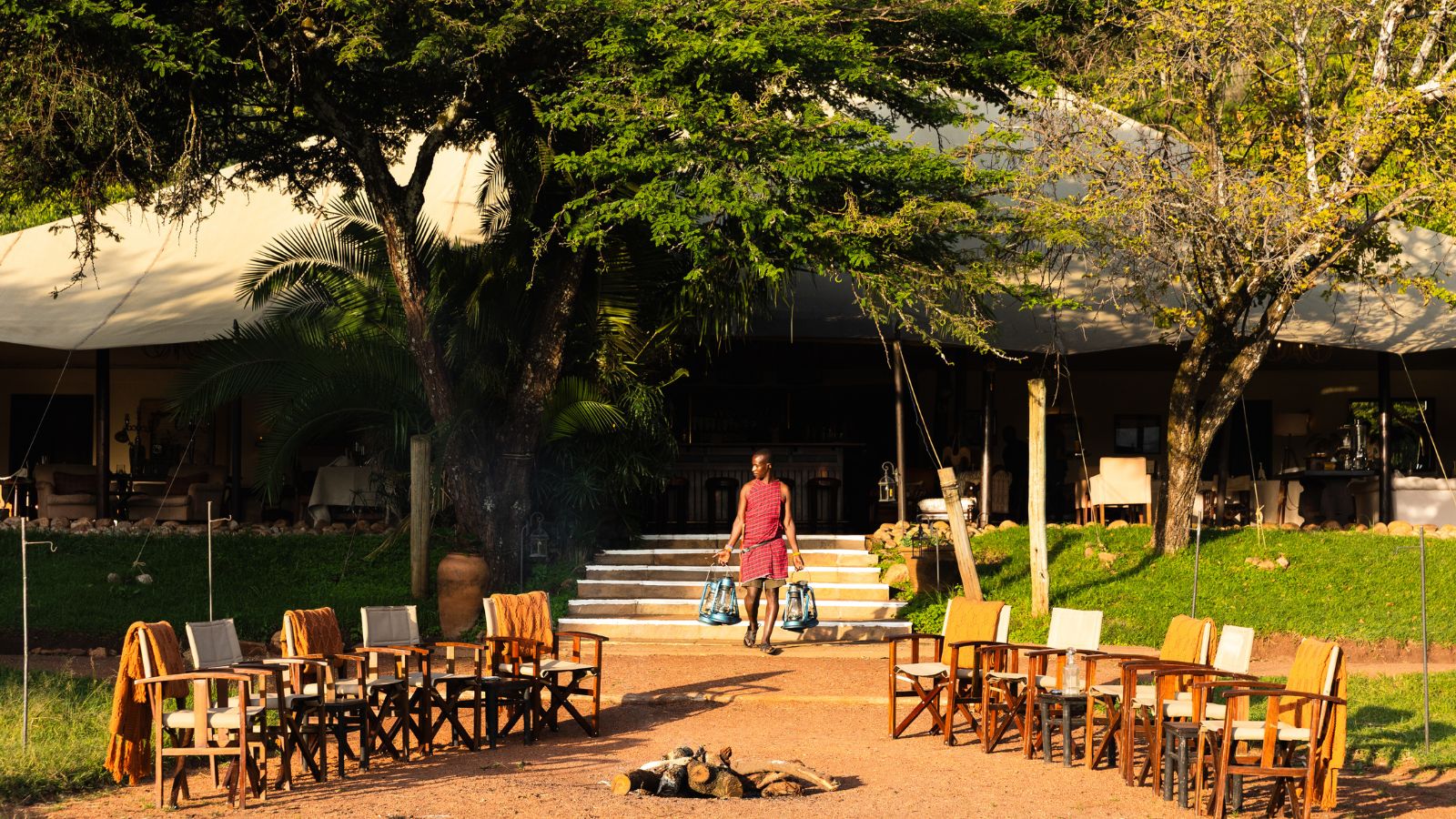
The camp also updated its mess tent, the main social space for guests. It added new flooring, a wine cellar, a fireplace and an outdoor barbecue area while keeping the bar and gramophone.
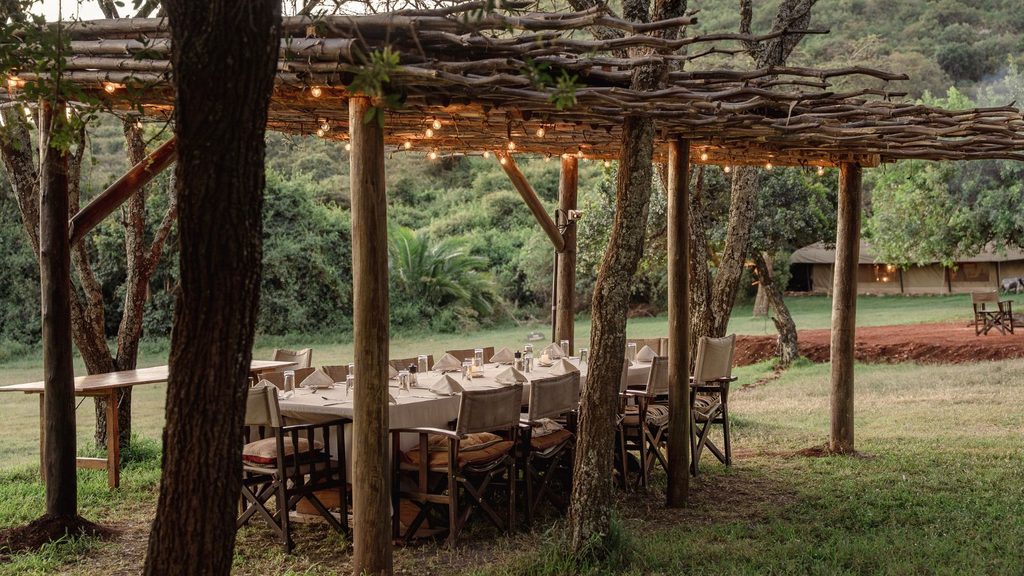
A new bush dining site sits inside the Olderkesi Conservancy, 10 minutes from camp. Guests can have breakfast there after the morning wildlife drive or dine under the stars.
If you want a night at the bush site, reserve it in advance, and you won’t pay extra for it. Cottar’s suggests it for a romantic evening or a group celebration, so pick your night before you go.