
Three minutes, one cheap packet and a dorm-room appetite: instant ramen has a resume built for college. Its staying power comes from more than the broke-student joke. The noodles are inexpensive, shelf-stable, and easy to turn into a hot meal when time, money, and kitchen access are tight.
It Started in a Backyard Shed
Momofuku Ando created Chicken Ramen in 1958 after a year of work in a small shed behind his home in Ikeda, Japan. The Cup Noodles Museum calls it the world’s first instant ramen. From the start, the goal was simple: make ramen quickly at home with hot water.
Cup Noodles Made the Bowl Optional
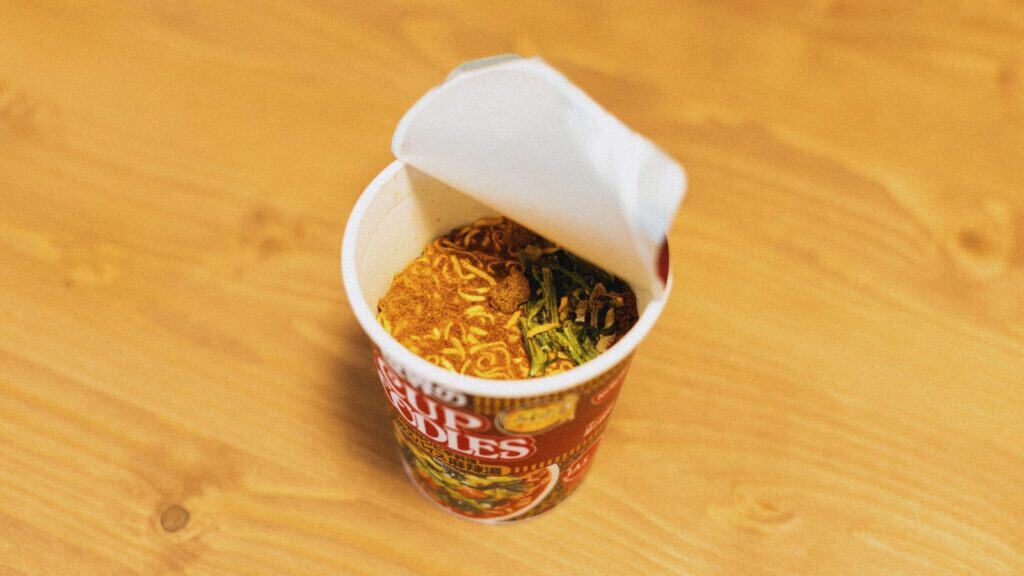
Ando followed with Cup Noodles in 1971. The container was part of the appeal because it handled storage, preparation, and eating in one package. That made instant noodles easier to eat beyond a full kitchen, a feature that would later fit dorm rooms and late-night study sessions especially well.
US Production Arrived in the 1970s
Nissin says its Gardena, California, plant began producing Top Ramen in 1972, making it the first instant ramen manufactured and sold in the United States. Maruchan followed with U.S. manufacturing and distribution in 1977. By the end of that decade, two major instant-noodle brands had American production.
The Price Is Hard to Ignore
Instant ramen can still come in at pocket-change prices. Walmart currently lists a 12-pack of Maruchan chicken ramen at $3.97, or about 33 cents per packet, though the retailer notes that prices can vary by store and channel. That low entry price helps explain the food’s student-budget reputation.
Dorm Rules Reward Hot-Water Meals
Dorm cooking rules can make a hot meal harder than it sounds. Brown University bans general cooking in student rooms along with hot plates, burners, and similar appliances. It does allow residential electric kettles with automatic shutoff. Cup-style instant noodles fit neatly into that kind of limited setup.
A Packet Packs More Calories Than It Looks
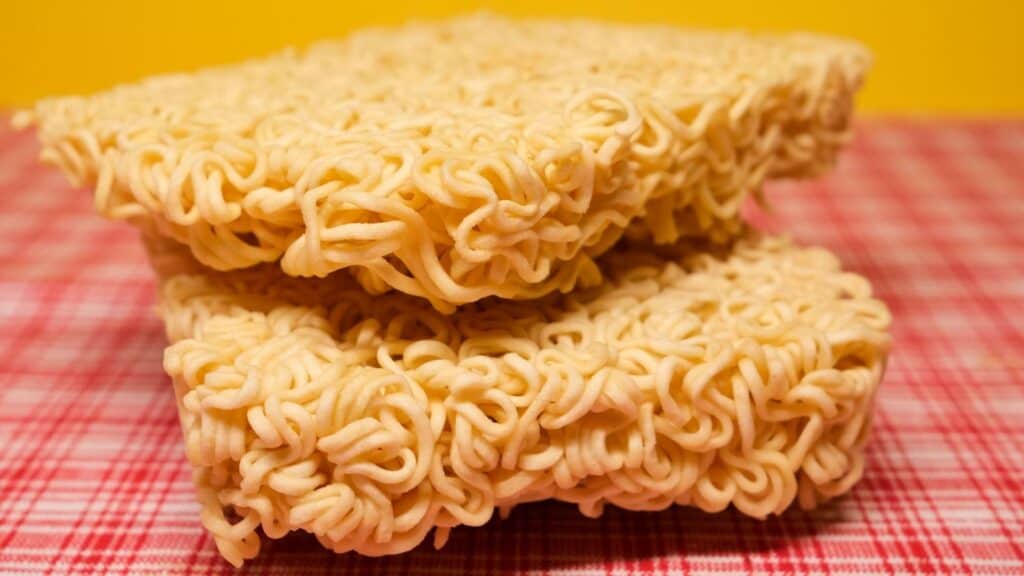
Maruchan’s chicken ramen label lists 190 calories per half-block serving. Eat the entire packet, and that becomes 380 calories. For a small, shelf-stable food that cooks in minutes, that is a meaningful amount of energy, which helps explain why a packet can feel more substantial than its size suggests.
The Sodium Adds Up Fast
The same Maruchan label lists 760 milligrams of sodium per half-block serving, so a full packet reaches 1,520 milligrams. The FDA’s Daily Value for sodium is 2,300 milligrams. One packet therefore supplies about two-thirds of that benchmark before any toppings, sauces, or side dishes are added.
Food Insecurity Makes Cheap Meals Matter
A 2024 GAO report estimated that 23% of college students, about 3.8 million people, experienced food insecurity in 2020. The report does not say those students relied on ramen. It does show why low-cost food matters on campus when a large group of students has trouble consistently affording enough to eat.
Ramen Is Easy to Upgrade
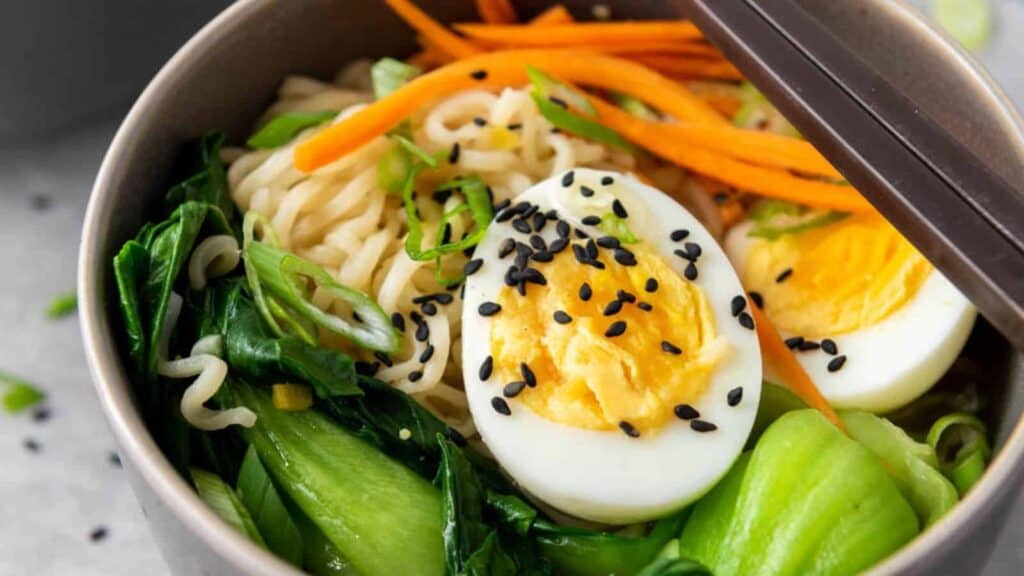
Ramen also gives you room to work with whatever is already around. UCF’s Rosen College highlighted it as a popular budget dish and showed ramen paired with vegetables and an egg. Leftovers can go in too. That flexibility lets one inexpensive base turn into very different meals.
A Familiar Flavor Got a New Name
Maruchan changed the name of its Oriental Flavor ramen to Soy Sauce Flavor. The company says the update was meant to better reflect the flavor profile. It also says the traditional flavor and recipe stayed the same, making this a package-name change rather than a reformulation.
The Habit Is Bigger Than Campus Life
College students are only one piece of a much bigger instant-noodle market. The World Instant Noodles Association estimated global demand at 124.2 billion servings in 2025. A food that works in dorm rooms also works in homes, offices, and countless other places where speed and low-effort preparation matter.
Why Convenience Outlasts the Joke
College life changes fast, but every meal still competes with time, money, and kitchen access. Ramen lasts because it reduces the distance between being hungry and having something hot to eat. That is less about a student stereotype than good product design: fewer steps can matter when your day already has too many.