
Breakfast could turn competitive before the milk hit the bowl. A decoder ring, plastic submarine, or sticky wall crawler could send siblings digging through the cereal bag before anyone cared about the flakes. Cereal premiums were cheap little toys, but the surprise made them feel enormous. These 13 prizes show why the box could matter as much as breakfast.
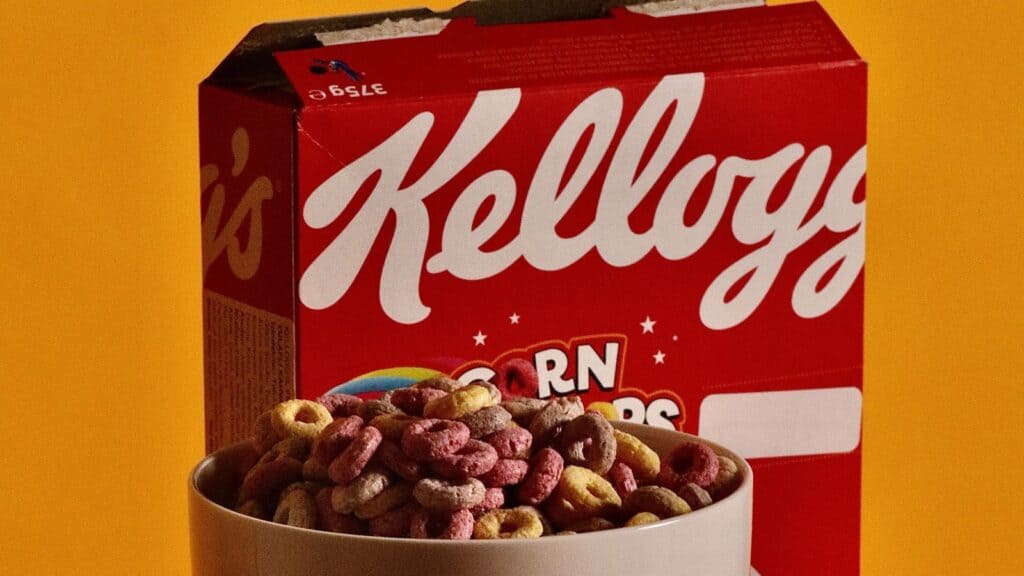
The Chex Decoder Ring
Ralston turned Chex into spy gear in the mid-1960s. Wheat Chex carried a decoder ring. Corn Chex had a secret-message watch, and Rice Chex had an invisible-ink pen. Three cereals meant three gadgets to compare and collect.
The Baking-Powder Submarine
Kellogg’s offered tiny Atom Subs in cereal boxes in the early 1960s. Baking powder powered the trick, making the plastic submarine dive into water and resurface. A prize that actually moved was hard to ignore.
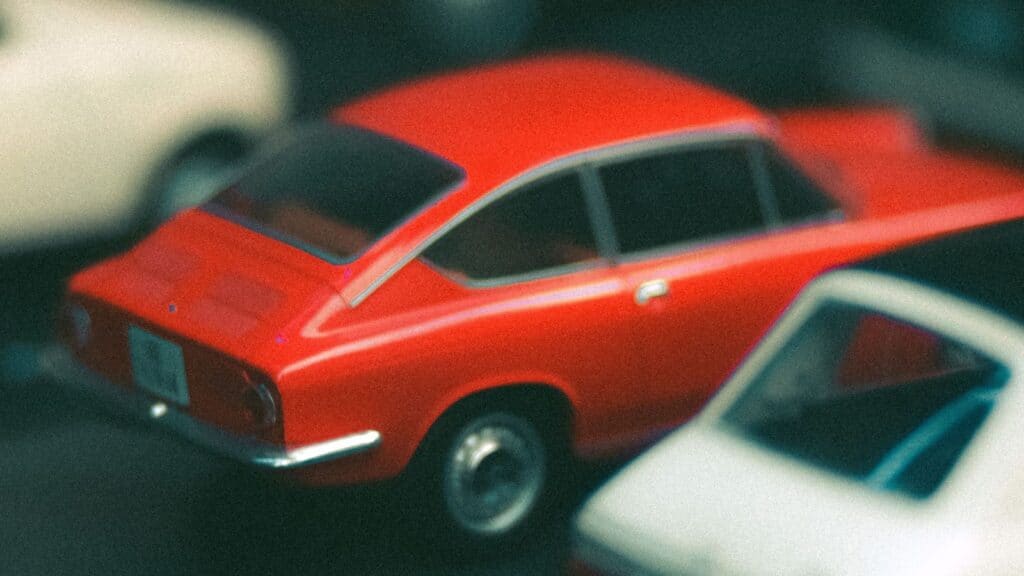
Pep’s Magno-Power Ford
Kellogg’s Pep offered a magnet-powered Ford in the 1950s. A small magnet hidden in a two-finger ring let you guide the miniature car without grabbing it. The trick made a tiny model feel like a remote-control toy.
Cap’n Crunch’s Bo’sun Whistle
Cap’n Crunch boxes carried the plastic Bo’sun Whistle in the late 1960s. It produced a 2,600 Hz tone that could trick telephone-routing equipment of the era. That accidental quirk later made the whistle famous beyond breakfast.
Magic Tricks from Willow
Quaker Oats tied Cap’n Crunch to the fantasy film Willow in 1988. The promotion put Willow magic tricks in cereal boxes, turning a breakfast premium into a movie tie-in kids could try for themselves.
The 7 Freakies Figures
Ralston’s Freakies cereal came with seven different character figures during its 1972-76 U.S. run. BossMoss, Gargle, and the rest were hard-plastic creatures with distinct designs and personalities. One figure was a toy; seven made a collection.
Glow-in-the-Dark Wacky WallWalkers
Around 1986, Froot Loops and Corn Pops offered glow-in-the-dark Wacky WallWalkers in four colors. Toss one at a wall and the sticky octopus tumbled and crawled downward. The glow added a second act after lights-out.
Kellogg’s 86 Pep Buttons
Pep cereal turned comic characters into a giant collecting project in the 1940s. The complete set ran to 86 colorful metal pins, with Superman and Dick Tracy among the characters. A single button was tiny; the checklist was not.
Kellogg’s 3-D Baseball Cards
Kellogg’s debuted its baseball-card series in 1970 with a 75-card set designed to simulate a 3-D look. Single cards appeared with select cereals, while a complete set was available by mail. Willie Mays was among the stars on the checklist.
Star Trek Stickers in Cheerios
General Mills joined Star Trek: The Next Generation in 1987 with stickers in Cheerios and Honey Nut Cheerios. The six designs featured Wesley, Riker, Worf, Troi, Geordi, and the Enterprise-D. Picard was not part of the sticker set.

Frosted Flakes MLB Tattoos
Frosted Flakes turned baseball fandom into temporary body art with a sheet of 30 MLB team tattoos. One cereal prize suddenly offered a pile of team logos, leaving the biggest decision for later: which one went on first?
Records Cut from the Box
Post made the package itself part of the prize. In 1969, Archies records appeared on Super Sugar Crisp and Alpha-Bits boxes. In 1970, Monkees records appeared on Rice Krinkles, Alpha-Bits and Honeycomb. Kids cut the cardboard record out and played it on a turntable.
The Kix Atomic Bomb Ring
Kix took the mail-away premium into stranger territory in 1947. For 15 cents and a box top, kids could get the Atomic Bomb Ring. The tiny spinthariscope let them see flashes produced by radiation inside the device. It was postwar science worn on a finger.
Why Tiny Prizes Felt So Big
Cereal premiums worked because the reward was never fully under your control. A box could surprise you, disappoint you, or send you back for another try. That uncertainty gave ordinary plastic and cardboard more emotional weight than their price suggested. Breakfast was routine, but the possibility wrapped around it was not.