
Candy and costumes barely scratch the surface of how cultures make room for the dead. Across continents, families gather at graves, launch lanterns, send kites skyward and prepare food for ancestors. Visiting during these observances can be unforgettable, but their real value comes from understanding what a ritual means and knowing when to watch with respect rather than join in.
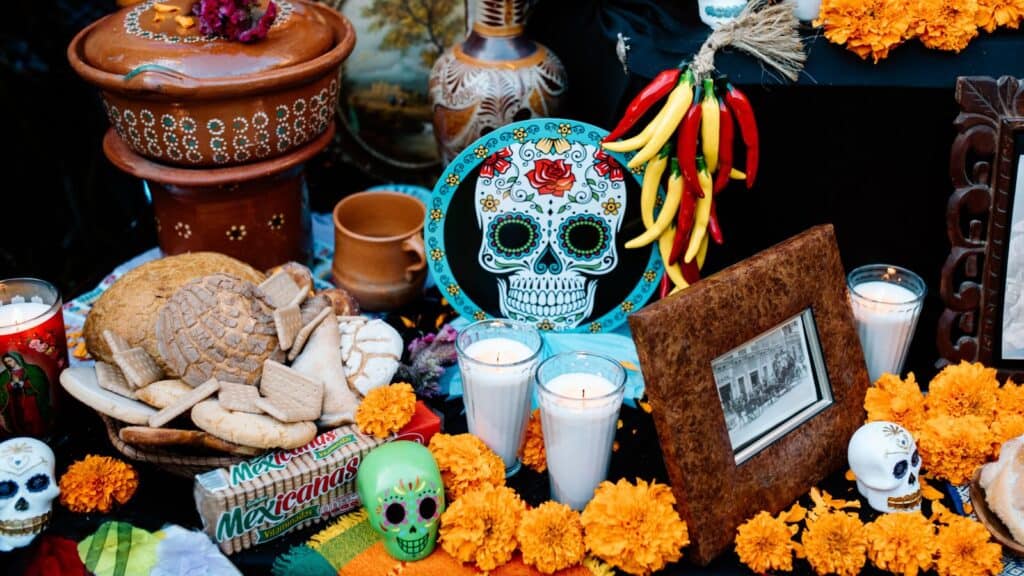
Mexico Welcomes the Dead With Flowers and Offerings
Día de los Muertos is celebrated on November 1 and 2. It honors deceased family members and friends. Ofrendas can include photographs, candles, marigolds, food and drinks. Families also visit and decorate graves, keeping remembrance personal.
Guatemala Sends Giant Kites Skyward
In Santiago Sacatepéquez and Sumpango, enormous handmade kites take over November 1. Guatemala’s Ministry of Culture links the tradition to a spiritual connection between the living and the dead. The kites help people communicate with ancestors. Work can begin months earlier.
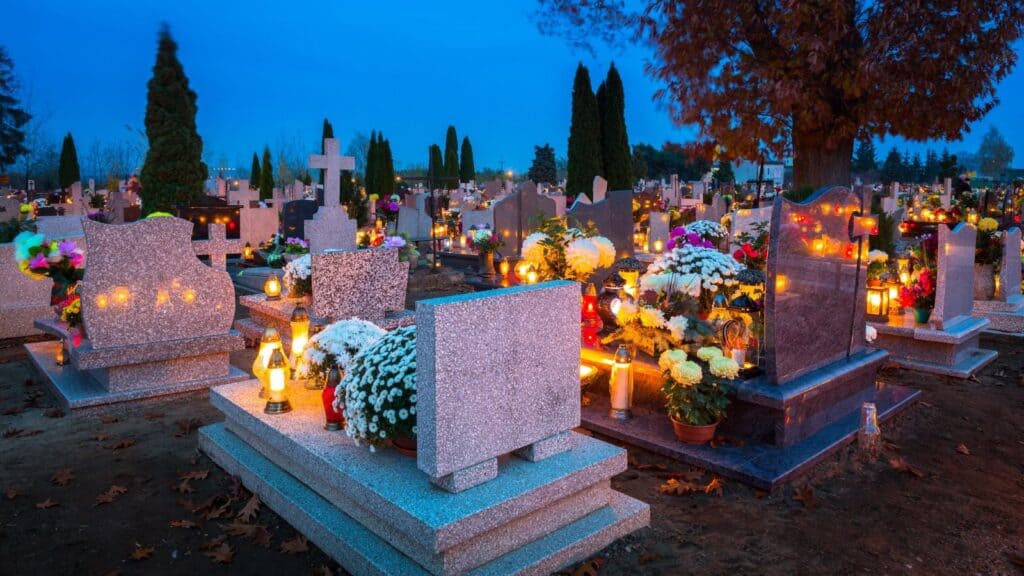
Poland Turns Cemeteries Into Fields of Light
November 1 brings families to cemeteries across Poland for All Saints’ Day. Relatives tend graves and remember loved ones. After dark, cemeteries glow with lights. The effect creates one of the country’s most striking annual scenes.
The Philippines Makes Undas a Family Gathering
Undas centers on All Saints’ and All Souls’ days. Families visit cemeteries, clean graves and prepare food while remembering relatives. Candles and flowers are common. Long visits can make cemetery grounds feel like family gathering places.
Portugal Sends Children Door to Door
Pão-por-Deus gives November 1 a familiar rhythm in parts of Portugal. Children go from house to house carrying small bags. Neighbors give them sweets. The custom may remind American visitors of trick-or-treating, but it belongs to Portugal’s All Saints’ Day traditions.
Sicily Lets the Dead Bring the Gifts
In Sicily, November 2 carries a gentler surprise for children. Tradition says deceased relatives return during the night with gifts and sweets. Palermo also keeps the Festa dei Morti custom visible through public events. Memory, children and traditional treats all have a place.
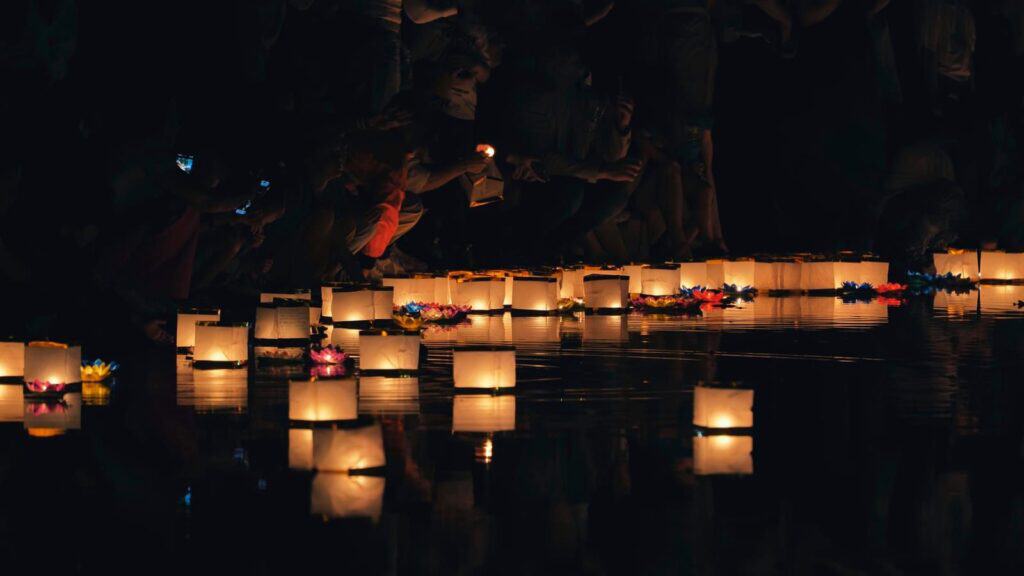
Japan Sends Spirits Off by Lantern Light
Obon is a summer period for honoring ancestral spirits. It is commonly observed in mid-August, though dates vary by region. Lantern ceremonies are part of the season. In toro nagashi, glowing paper lanterns are set afloat to send spirits on their way.
Taiwan Launches Lanterns During Ghost Month
The seventh lunar month is traditionally known as Ghost Month in Taiwan. Spirits are believed to return to the living world. Keelung’s Zhongyuan Ghost Festival lasts about a month. Its events include a water-lantern parade and a late-night lantern release.
Nepal Turns Grief Into a Cow Parade
Gai Jatra takes place in the Kathmandu Valley, usually in July or August. Families who lost a loved one during the previous year send participants into the procession. Children often dress as cows. Singing and joking help turn private grief into a shared experience.
Cambodia Honors Ancestors Across 15 Days
Pchum Ben and the 14 days of Kan Ben create a 15-day period of remembrance in Cambodia. Families take food to monks at pagodas. They hope the offerings will reach the souls of their ancestors. The final day brings the observance to its peak.
Bolivia Cares for the Ñatitas
Each November 8, people in La Paz honor human skulls known as ñatitas. Caretakers decorate them with flowers. They may also offer coca leaves, cigarettes or candy in thanks for blessings and protection. The skulls are not necessarily deceased relatives.
Madagascar Rewraps Ancestors in Fresh Cloth
Famadihana can involve opening a family tomb and rewrapping ancestral remains in fresh shrouds. The remains are then returned to the family vault. Ceremonies may be years apart. These are family rites, so visitors should attend only when expressly invited.
Ireland Brings Samhain Into Modern Festivals
Ireland’s Samhain heritage shapes a public Halloween season for visitors and locals. Fáilte Ireland’s 2026 Home of Halloween program includes Púca Festival. Events across several destinations draw on Samhain traditions. They offer a public way to explore the history without intruding on a private family rite.
Respect Matters More Than the Scare
What makes these traditions worth traveling for is not how closely they resemble Halloween. They show that remembrance can be communal, creative and even joyful. A respectful visit starts with learning what a ritual means and where visitors are welcome. Giving local families space matters as much as showing up.