
Cold air finds every weak spot once fall turns sharp. A loose door seal, thin attic insulation or a leaky duct can leave your heating system making up for warmth that never stays indoors. A few checks before the first cold snap can improve comfort and help keep energy use under control. Work from obvious drafts to hidden leaks, and know when a pro should take over.
Seal Windows and Exterior Doors
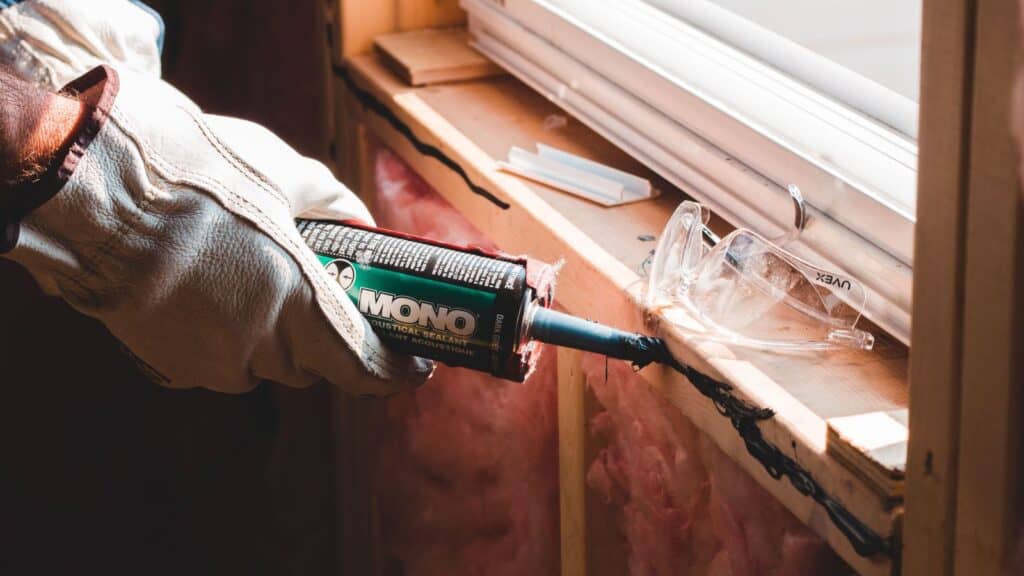
Run your hand around window trim and exterior doors on a windy day. Caulk stationary gaps around frames and use weatherstripping where doors or windows move. ENERGY STAR says sealing air leaks and adding insulation can save up to 10% on annual energy bills.
Track Down Hidden Air Leaks
Drafts do not stop at windows. ENERGY STAR lists attic hatches, wiring holes, plumbing vents, recessed lights, duct chases and basement rim joists among common leak points. A quick inspection can uncover gaps you may miss from the living space.
Check Attic Insulation Depth
Look across the attic floor before adding anything. ENERGY STAR says insulation at or below the floor joists is a sign that more may be needed. Recommended retrofit levels vary by climate and existing insulation, with uninsulated attics ranging from R-30 in the warmest zone to R-60 in colder zones.
Seal Rim Joists in the Basement
The rim joist is where the wood framing meets the foundation, and cracks there can pull cold air inside. ENERGY STAR recommends sealing gaps around rim joists and nearby penetrations before insulating the cavities. If your home has fuel-burning equipment, consider professional combustion-safety testing around major air-sealing work because tighter construction can affect drafting.
Tighten Up Leaky Ducts
ENERGY STAR says a typical house loses about 20% to 30% of the air moving through ducts because of leaks, holes and poor connections. Seal accessible joints with mastic or metal tape. Concealed or damaged ductwork is a good job for a contractor.
Service the Heating System Before It Gets Busy
A clean filter does not seal the house, but it prevents an avoidable airflow problem. ENERGY STAR recommends checking filters monthly and scheduling annual pre-season service, with heating equipment checked in fall. A technician can inspect controls, burner combustion, fuel connections and the heat exchanger.

Use Thermostat Setbacks Carefully
DOE says lowering the thermostat 7°F to 10°F for eight hours a day can save as much as 10% a year on heating and cooling. Heat pumps need compatible controls, so check your system before using large setbacks. A programmable thermostat can handle the schedule automatically.
Reverse a Reversible Ceiling Fan
If your ceiling fan has a reverse setting, run it clockwise at low speed in winter. DOE says that creates an updraft that circulates warm air near the ceiling back through the occupied space. The fan does not raise room temperature, so switch it off when the room is empty.
Consider Low-E Storm Windows
Older windows do not always need full replacement to perform better in cold weather. DOE research says low-e storm windows can reduce heating and cooling costs by 10% to 35%, depending on the home and existing windows. They add another layer while the coating helps control radiant heat transfer.
Check the Water Heater Setting
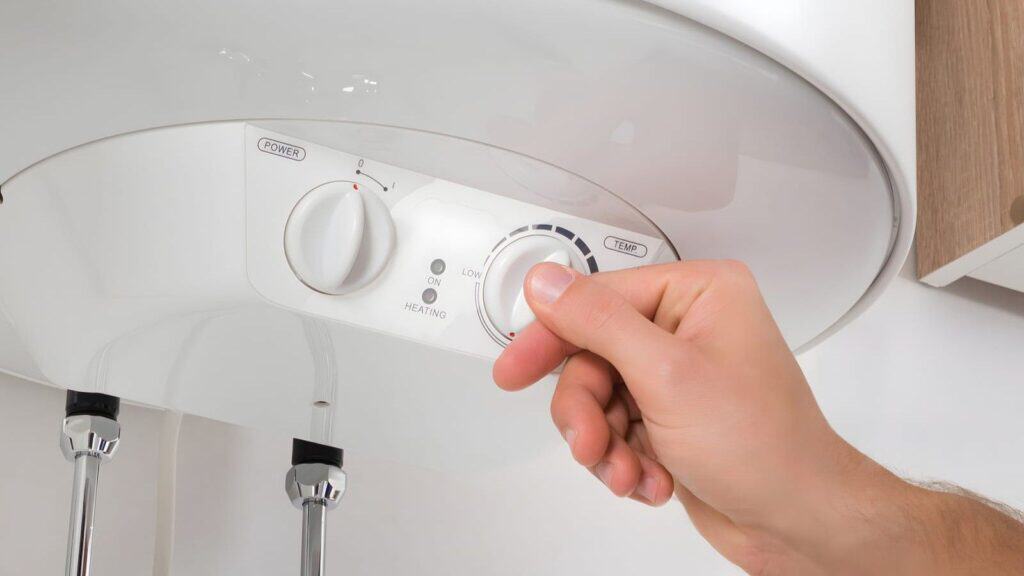
Do not assume your water heater arrived set too high. DOE says 120°F works for most residential applications, but higher storage temperatures can be appropriate in certain situations and may be paired with mixing valves to reduce scald risk. Check the owner’s manual and household needs before changing the setting.
Weatherstrip the Attic Hatch
Attic access can be a direct leak through the ceiling. ENERGY STAR recommends self-sticking weatherstripping around the hatch plus fiberglass or rigid foam insulation attached to the back. Pull-down stairs and attic doors can be treated in a similar way.
Fix Weak Spots Before Winter Finds Them
Weatherproofing works best as prevention, not emergency repair. A cold snap rarely creates a home’s weak points. It reveals them. Finding trouble spots in fall gives you time to handle simple fixes safely and call a professional for anything tied to combustion, wiring or concealed ductwork. Winter feels less demanding when the house is ready before the first hard chill arrives.