
Farm drones can potentially reduce labor costs, increase yields and reduce chemical use and human exposure to chemicals. But those benefits vary by crop and application, and current research does not show that drone use automatically lowers production costs. The bigger question for shoppers is whether those savings will reach the grocery checkout.
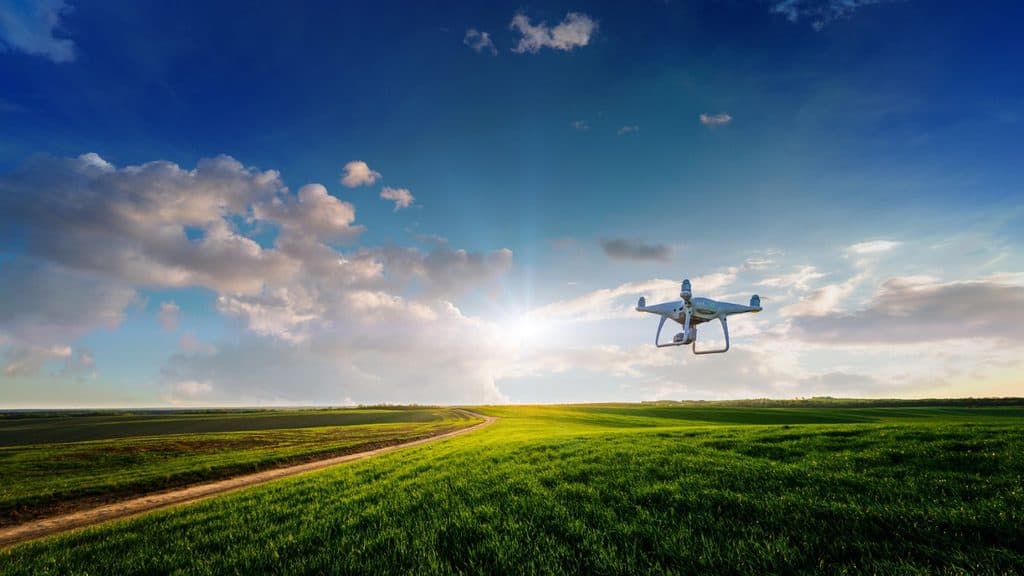
Farmers use drones to check crop health, spot insect damage and spray fertilizers and pesticides. A drone can cover a field much faster than someone walking the rows, and it can reach areas that are too wet for tractors. Both large and small farms are using them, but the equipment isn’t cheap, and the savings aren’t always guaranteed.
Lower farm costs don’t automatically mean lower grocery prices
Lower costs are not guaranteed just because a farmer uses a drone. In a 2026 study of smallholder maize farms in China, drone use reduced operational costs by 29% and yield loss by 4.6%, but farmers sprayed more often and total pesticide expenditures increased by 33%. Per-application pesticide spending remained unchanged.
Even when a grower saves money, only part of those savings makes it to the grocery store. USDA Economic Research Service data puts the farm share at about 18.5 cents of every food dollar. The rest pays for processing, transportation, wholesaling, retailing and other costs.
Saving money on a spray application or a few hours of labor may barely impact the shelf price. Drones could have a greater effect by helping growers prevent crop losses, increasing the amount of food available and potentially easing upward pressure on prices.
That effect could be more noticeable with fresh produce, where less of the consumer dollar goes toward processing. Savings or avoided losses on crops such as apples may have a more direct path to the retail price than changes in corn or rice that eventually become cereal or other processed foods.
Labor savings may be one of drones’ biggest advantages
As farm labor becomes harder to find and more expensive, drones could become more valuable to growers. Although drones cannot pick apples or peaches, they can scout and spray crops; one licensed pilot can run a swarm of three aircraft, with a helper mixing product, according to Arthur Erickson, CEO of Texas-based Hylio, Inc. That leaves workers available for jobs that still require hands-on labor.
USDA says the U.S. farm worker population is aging, and fewer younger workers are entering the workforce since many come from Mexico and Central America. As labor becomes harder to find and more expensive, growers have a stronger incentive to use technology for jobs that do not require hands-on work.
Precision agriculture could cut costs differently
Not every crop will see the same result. In high-value crops such as orchards, drones serve as another tool in Integrated Pest Management or IPM. IPM is a horticultural practice designed to reduce the number or timing of sprays by monitoring insect and disease progression, plant tolerance thresholds and multiple control methods, thereby lowering production costs and increasing yields.
USDA research in a commercial apple orchard found that precision-rate variable spraying reduced pesticide use by 58% while maintaining coverage in nearly all parts of the field. This study used ground-based spraying, but it demonstrates how precision works. Erickson says Hylio sees targeted spot spraying from prescription maps reduce pesticide volume by 30% to 90%, depending on how patchy the problem is. For example, if only 15% of a field has a weed problem, growers treat only that 15%.
Agricultural drones equipped with cameras can provide the field data needed to alert the grower to a potential problem to watch or act on as soon as possible. Newer systems also incorporate variable-rate technology that adjusts application rates as the drone moves across a field. Targeted spraying can reduce chemical use since only a small fraction of a field needs treatment.
New restrictions push farmers away from Chinese-made drones
On Jan. 7, 2026, the FCC updated its Covered List after determining most foreign-produced drones and critical drone components posed national security risks, while exempting certain systems approved by the Department of War or meeting Buy American standards. Buy American is part of a federal effort to reduce U.S. reliance on foreign drone technology.
Large Chinese suppliers that have held a strong position in the global drone market are now limited to selling only certain existing drone models. In the official company blog, DJI, one of the largest foreign drone suppliers, states, “Although the proposal is framed as targeting ‘military-grade’ drones, the FCC’s definition could include drones with thermal imaging or LiDAR capabilities, agricultural spraying drones, docking stations and other products widely used by first responders, farmers, infrastructure inspectors, small businesses, and hobbyists.”
Erickson says farmers now consider whether they can get parts, batteries, firmware updates and warranty service several years after buying a drone. That uncertainty has narrowed the cost gap between domestic and imported systems. “A spray drone is a piece of farm equipment, not a consumer gadget,” he says. Farmers increasingly consider total ownership costs and long-term support, not just the initial purchase price.
Don’t expect drones to slash grocery bills
Since drone technology is fairly new and its uses in agriculture are even newer, there is not enough data to determine whether the use of drones may reduce grocery costs in the future. As technology improves, drone use may eventually have some effect.
For now, agricultural drones are unlikely to dramatically reduce grocery prices. Farm share is a small fraction of grocery costs by the time they reach the store. So even if farmers save on some costs, the effect on prices will be minimal.
The true benefit may be less apparent. If drones help farmers produce more food with fewer workers, prevent crop losses and use expensive inputs more efficiently, they could help keep production costs down and maintain supply. According to Erickson, “consumers probably won’t see a ‘drone savings’ line on a receipt,” but lower input costs and avoided crop losses can reduce upward pressure on food prices.
How much shoppers ultimately benefit depends on several factors: the crop, how farmers use the technology and what happens to the cost and availability of the drones themselves. Grocery prices have already changed how Americans shop, making even small reductions in upward price pressure relevant to consumers.
Beth Neels is an entrepreneur, blogger, photographer, author and recipe developer. She founded Binky’s Culinary Carnival in 2014, focusing on crafting delicious recipes with sustainable ingredients. She has been featured in multiple online publications, including MSN, Reader’s Digest, AP News, and Parade.