
A fall menu’s wild mushroom dish rarely features just one mushroom. It’s whichever wild species is peaking that week, chosen by weather rather than a kitchen’s planning, and gone again within weeks once the next one takes over. That handoff has always been hard to predict, and research suggests it’s only getting trickier over time.
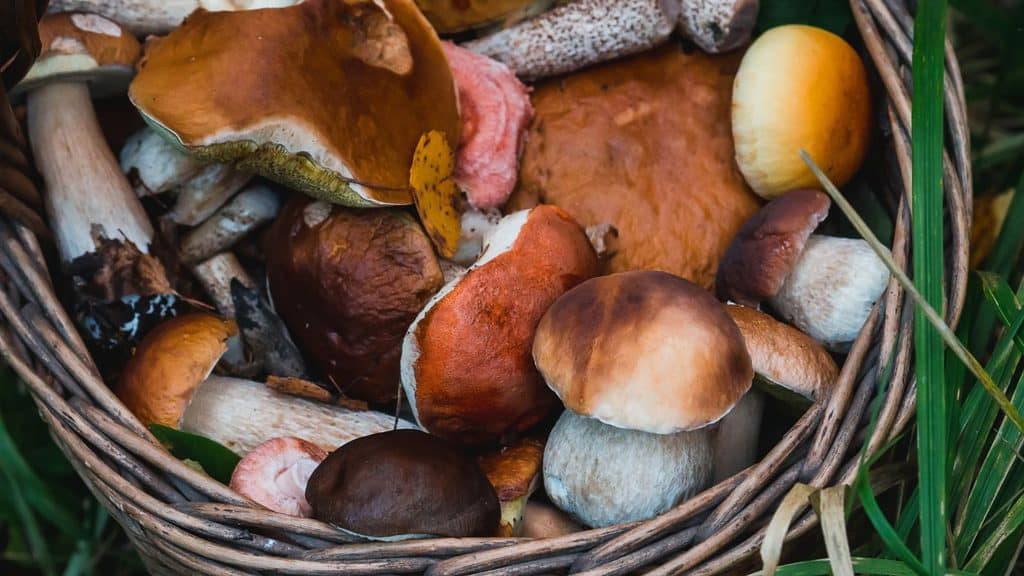
Most people miss how fast wild mushrooms move through a fall menu. Squash shows up in September and sticks around until Thanksgiving. Wild mushrooms don’t get that kind of run. It’s in and out before most diners even notice the name on the menu hasn’t changed.
Research on fungal fruiting has found that in many mushrooms, a temperature drop of at least 5 degrees Celsius can help induce fruiting. That’s a narrow trigger, and it can arrive with very little warning. Foragers watch the weather closely because the window can open on short notice and close just as fast.
Each species gets its own short window
These windows come from Missouri’s foraging guides, and timing changes by region and year. Chanterelles have a long run by wild mushroom standards, fruiting from May into October. Early fall is considered a particularly good time to search, once undergrowth and pests have thinned out and fallen leaves haven’t yet buried them.
Black trumpets share part of that same period, fruiting from about June through September. They grow dark and low enough that foragers often smell them before they spot them against the leaf litter, and, per these guides, they finish roughly a month before chanterelles typically wrap up. Hen-of-the-woods is another mid-fall standout: a dense, feathery mushroom that clusters low at the base of old oak trees as earlier species fade.
Matsutake comes with a stricter set of rules
Matsutake comes up in the back half of the season, and it has the strangest rulebook of any ingredient that ends up on a fall menu. In Oregon’s Deschutes, Fremont-Winema, Umpqua and Willamette National Forests, commercial matsutake harvesting runs within a defined window, roughly early September through early November and anyone picking to sell in those forests needs a permit.
Harvesters are limited to hand tools no more than about an inch wide and a foot and a half long. Raking or otherwise disturbing the forest floor isn’t allowed.
The mushroom itself is only the fruiting part of a much larger organism living underground. Research that tracked a harvested site for nearly a decade found that careful picking, done without disturbing the litter layer, caused no measurable harm, while raking that stripped the forest litter and left it that way meant that site produced less than half as many mushrooms over the following nine years combined as it had produced in the single year before the raking started.
Wild mushrooms are among the more tightly regulated wild ingredients that end up on a plate, and almost none of that story reaches the diner. A species can be abundant for a few weeks and then effectively gone, pushed out by the next one in line or stopped cold by a stretch of weather that ends the flush early.
The season itself is less predictable
Long-term fruiting records from Norway add a slower-moving wrinkle on top of the week-to-week one: the season there has drifted later and compressed over recent decades, with the earliest-fruiting species delayed by as much as a month at the extreme end of that range, while late-season species barely moved.
Researchers tie the pattern to warming autumn and winter temperatures. Similar long-term record-keeping elsewhere in Europe has found the opposite effect, an overall season that’s stretched longer rather than compressed, so the climate signal isn’t the same everywhere.
It’s a slow drift either way, measured in decades, not something a forager would notice season to season. The relay still runs every year. It’s just running on a rhythm that’s gotten harder to predict.
What actually ends up on the plate
Diners get a dish that tastes unusually savory without leaning on meat, since wild mushrooms have real depth of their own. It also seems to reinvent itself every few weeks for no obvious reason, which is the whole relay compressed into a single dish.
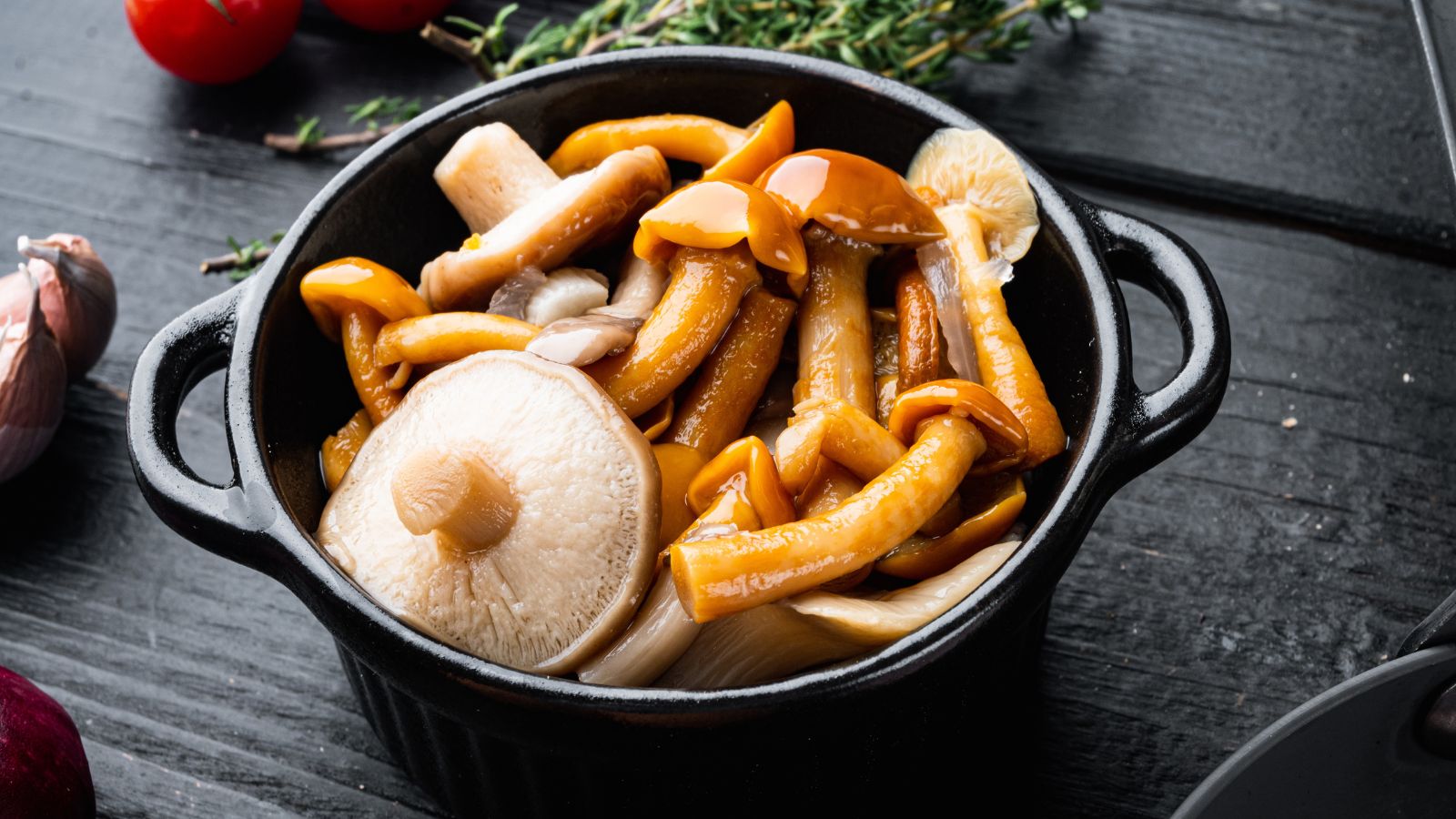
Most seasonal menus run on a schedule the kitchen sets for itself, built around produce that shows up roughly when it’s supposed to. Wild mushrooms set their own schedule instead. That makes them one of the clearest tests of whether a menu is actually tracking the season or just rotating on a calendar.
Jennifer Allen is a retired professional chef and long-time writer. Her work appears in dozens of publications, including MSN, Yahoo, The Washington Post and The Seattle Times. These days, she’s busy in the kitchen developing recipes and traveling the world, and you can find all her best creations at Cook What You Love.