
The oven gets crowded on Thanksgiving, and bread does not have to fight for a spot. Bake it early, tuck it away and spend the big day on everything else. National Homemade Bread Day on Nov. 17 gives home bakers a reason to start before the holiday rush does.
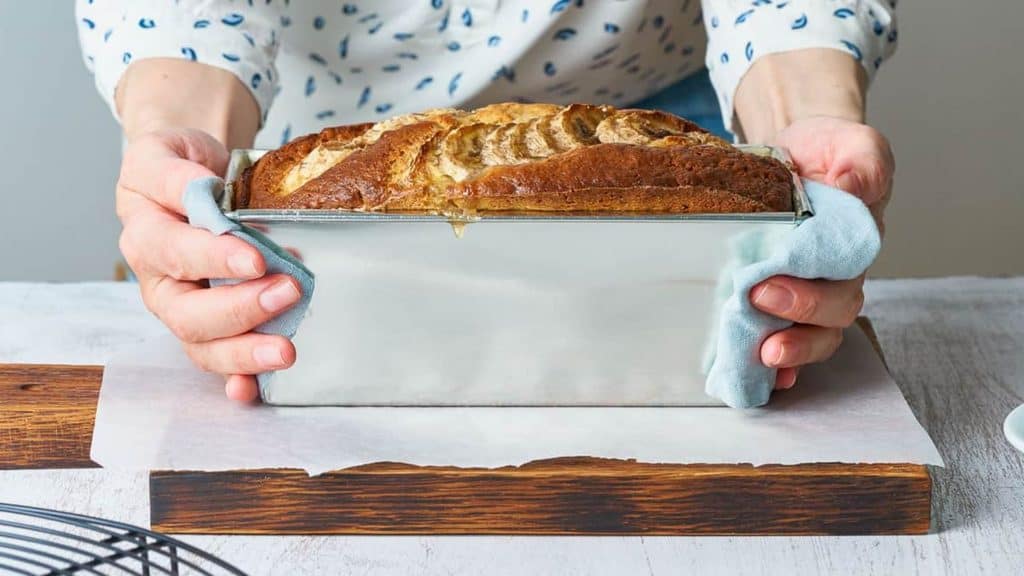
Many home cooks plan to make at least part of their Thanksgiving meal from scratch. Bread fits that plan because you can make it ahead and finish it in the oven that day. How a cook stores and reheats it decides whether the rolls reach the table fresh or stale.
Homemade plans lead, but shortcuts are growing
A recent survey found that 43% of respondents plan to make their entire Thanksgiving meal from scratch, which makes it the most common plan even though the figure is down from 46% in 2024. Another 39% plan a mix of homemade and pre-made dishes, while 18% expect an entirely pre-made meal, up from 13% two years ago.
For cooks in the mixed group, a batch of rolls or a loaf made ahead adds a homemade dish while leaving only a bake or a warm-up for the day itself. The share planning everything from scratch was 42% in 2025, so this year’s figure is up one point.
Parbaked rolls keep in the freezer
Parbaked rolls freeze for six weeks or can be kept at room temperature for up to three days. They take on almost no color in the first bake, so they need eight to 15 minutes in the oven to brown on the day, or about 10 minutes if kept at room temperature. Once cool, freeze the rolls on a baking sheet for about an hour, until solid, then move them to an airtight bag to prevent freezer burn. Cooling first matters, because wrapping warm bread traps steam that turns to condensation and can encourage mold.
The dough starts with a flour-and-water slurry based on yudane, a Japanese technique that lets the flour hold extra water and keeps the rolls soft through the long bake and storage. The other method freezes kneaded but unrisen dough after shaping, and that dough takes longer, with roughly four to five hours of thawing and rising before it can bake. A batch of 18 three-inch rolls takes 2 hours 45 minutes to make.
Frozen loaves need hours, not days, to thaw
Most bread can be frozen for three months, while fresh bread typically goes stale within days. Loaves and rolls need airtight wrapping, since air exposure speeds staleness and makes baked goods absorb odors. You can freeze slices in groups of two or four so you thaw only what you need. Glazes, icing, frosting and melted butter go on after thawing, while dry toppings such as seeds or nuts can be frozen as they are.
Room-temperature thawing is the simplest method. A whole loaf takes about three hours, individual rolls about an hour and pre-sliced bread about 30 minutes. Crusty artisan loaves, including sourdough, can be re-crisped in a 350-degree oven for a few minutes, tented with foil if they brown too quickly. Microwaving is possible for a single slice or roll, but the bread hardens and goes stale quickly afterward.
Stuffing can be prepped ahead only in parts
Stuffing is usually based on a bread mixture, but it follows different rules from rolls. You can prepare the dry and wet ingredients ahead and chill them, but don’t combine them until just before you spoon the stuffing into the dish. Do not refrigerate uncooked stuffing, though you can freeze it and cook it without thawing.
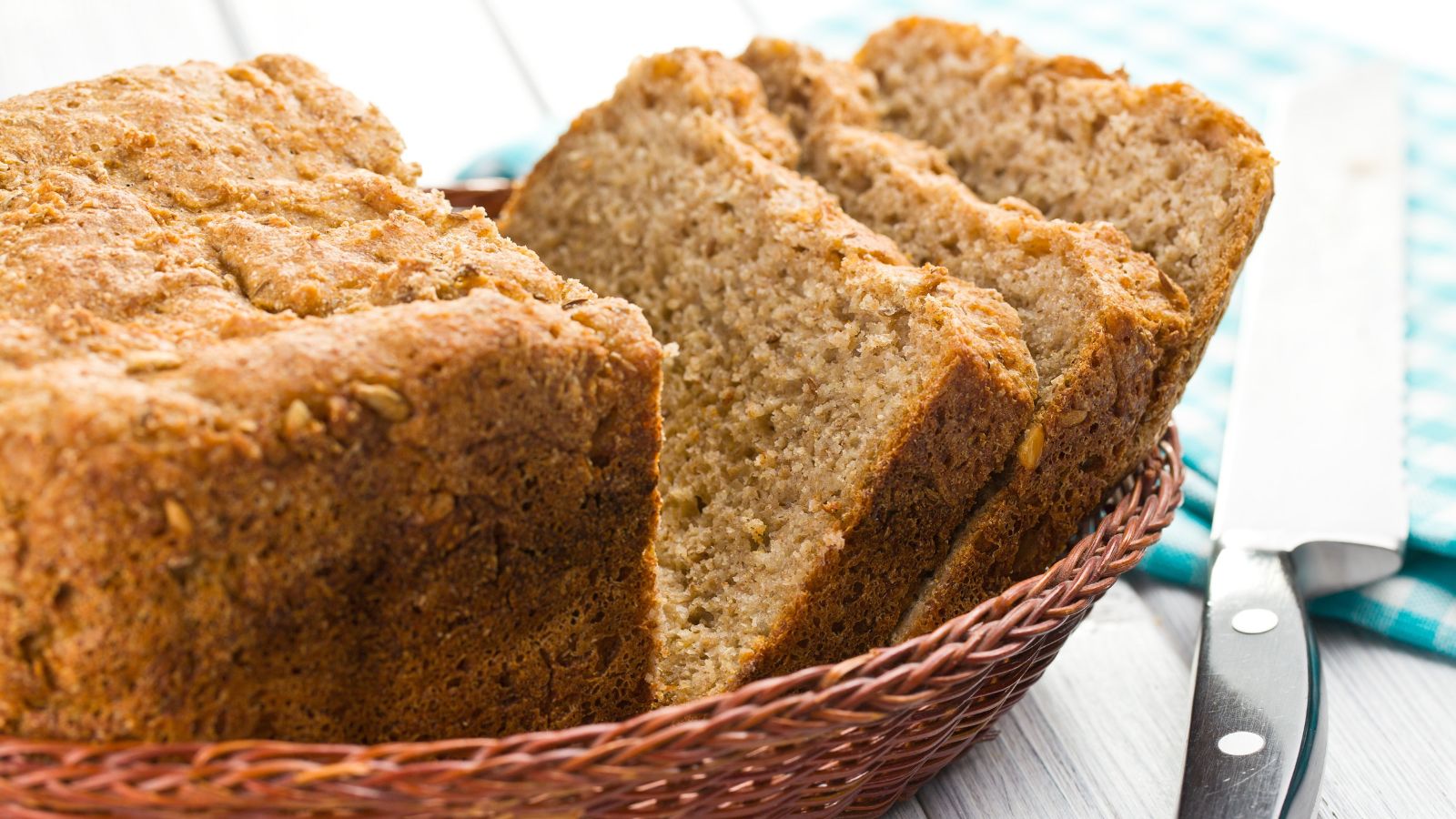
Cooking stuffing in a casserole instead of inside the bird is the safer choice and gives more uniform doneness, and the oven should be set no lower than 325 degrees. The stuffing needs to reach 165 degrees. Leftovers go into the refrigerator within two hours of cooking and keep for three to four days, or three to four months in the freezer; reheat to 165 degrees. Frozen leftovers stay safe indefinitely, though they can lose moisture and flavor when stored longer.
Frozen rolls keep a month past the holiday
A batch of rolls parbaked on Nov. 17 would stay within its six-week freezer limit until Dec. 29, more than a month after Thanksgiving dinner. That is long enough for any rolls not needed at the holiday meal to wait for the next one. A tray of frozen rolls also makes a gift for a neighbor, who can bake it whenever they want.
Mandy writes about food, home and the kind of everyday life that feels anything but ordinary. She has traveled extensively, and those experiences have shaped everything, from comforting meals to small lifestyle upgrades that make a big difference. You’ll find all her favorite recipes over at Hungry Cooks Kitchen.