
Hotel safes feel like the natural home for a passport once you’ve checked in, but local identification laws can flip that advice. In these seven countries, current government guidance tells foreign visitors to carry an original passport or a qualifying residence document. Rules can change, and residents often use a residence card instead, so check official advice again before departure.
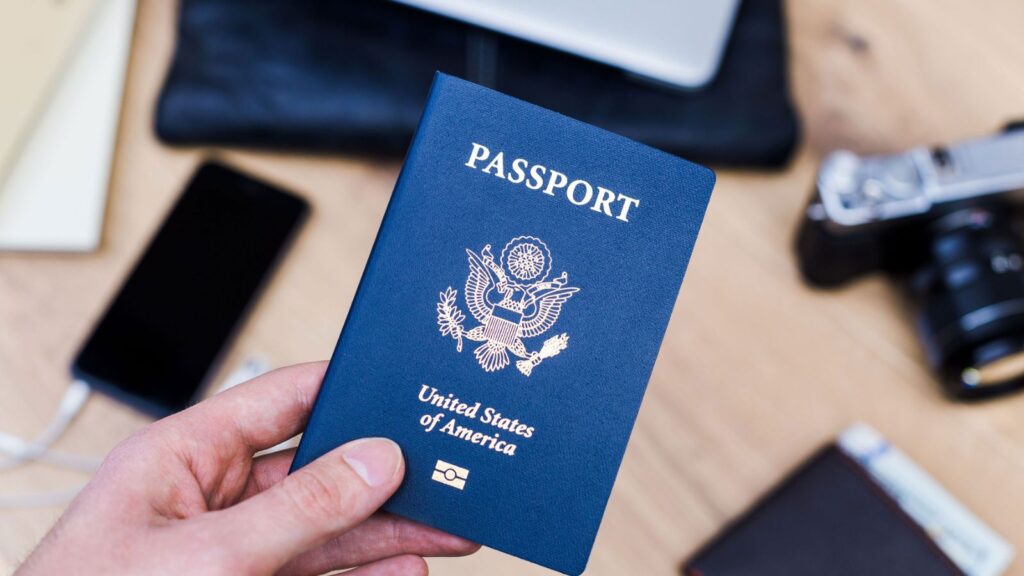
Japan Makes the Carry Rule Explicit
Japan’s Immigration Services Agency says foreign nationals must carry a passport and show it to an authorized official on request. The key exception is for mid- to long-term residents carrying a residence card. Tourists do not have that substitute. The agency says violations of the carry rule are subject to criminal penalties.
China Requires It From Age 16
China’s Exit and Entry Administration Law says foreigners aged 16 and older must carry a passport, another international travel document, or a stay or residence permit and accept inspection. For a typical short-term visitor, that means the passport. Current UK guidance says printed copies are not accepted during police checks, and that failure to produce the document can lead to a fine or detention.
Hungary Rejects a Photocopy
Hungary’s current travel guidance is unusually direct: visitors should always carry their passport and must show identification if police ask. A photocopy does not satisfy the requirement. Travelers with a Hungarian residence permit can use that document where applicable, but vacationers relying on a passport should keep the original secured on their person rather than back at the hotel.
Czechia Expects Identification on Demand
Carrying identification is a legal requirement in Czechia, and current government guidance tells visitors to keep their passport with them. Police may fine or arrest a person who cannot produce identification. There is a narrow practical qualification: authorities will normally accept a passport scan if the traveler is not suspected of a crime. That does not erase the official instruction to carry the passport.
Slovakia Can Issue a Substantial Fine
Slovakia requires visitors to carry a passport as identification. Current UK government guidance says a traveler who cannot show identification when police request it can face a fine of up to 1,600 euros. Leaving the booklet in a hotel safe may protect it from pickpockets, but it can also leave a visitor unable to meet a roadside or street-level police request.
Uzbekistan Pairs the Rule With Police Checks
Uzbekistan legally requires visitors to carry their passport at all times. Police conduct identification checks, and current government advice says failure to carry the passport can result in a fine or arrest. Because hotel staff may temporarily hold a passport for registration, travelers should confirm when it will be returned and avoid heading out before they have the original document back.
Turkey Requires Photographic Identification
Turkish law makes it illegal to be without photographic identification. Current travel guidance tells visitors to carry a passport or residence permit at all times, particularly because police conduct checks in busy districts and at road checkpoints. A resident may have an alternative document, but a short-term tourist should plan to carry a passport unless Turkish authorities confirm another accepted form of identification.
The Safest Place Depends on the Law
Protecting a passport is not just a choice between a hotel safe and a day bag. Local identification rules determine which option poses the greater risk. Carry the original in a concealed, water-resistant holder when the destination requires it, and keep a separate digital or paper copy for replacement if you lose it. A fresh check of official travel advice before every trip is as important as checking the passport’s expiration date.