
A jug of fresh apple cider gets about a week in the refrigerator, pasteurized or raw, and after that it becomes a problem. Pouring it out is the worst way to deal with it, because the same juice can still go into a pan or a fermenter. Apple Cider Day on Nov. 18 is a good excuse to find out what else you can do with apple cider. Some of the answers take a freezer, and others take a pot on the stove or a few weeks of patience.
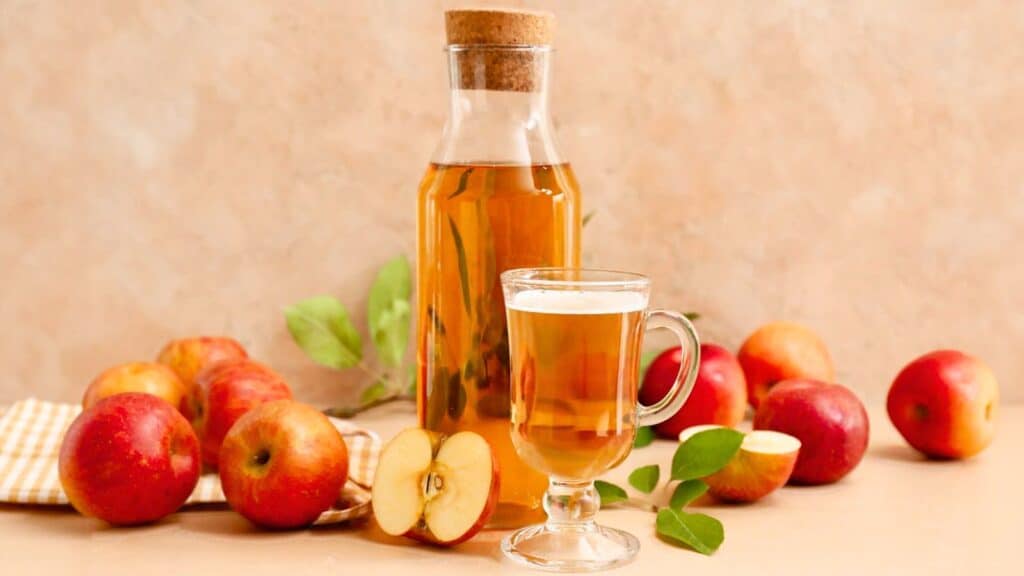
Before refrigerators, settlers with a homestead orchard kept their cider by letting it ferment, which made it the most dependable drink they could store long term. Fermented cider was also safer than water, because fermentation inhibits the growth of harmful microbes. On the frontier, people often had to boil their water to make it safe. Boiling was a heavy chore that took fuel and time, so a barrel of cider that kept itself was the practical choice.
A smaller crop makes a spoiled cider costlier
A federal forecast puts the 2026 apple crop at 10.4 billion pounds, which would be 6% below 2025 if realized. The same forecast expects higher apple prices in the 2026-27 season. It puts Virginia’s crop at 77 million pounds, which would, if realized, be the smallest Virginia crop in more than 50 years. In Pennsylvania, where a spring freeze hit orchards hard, cider prices may rise because apples may have to come from farther away.
The freezer buys more time than the refrigerator
A jug of pasteurized cider keeps about a week in the refrigerator, and raw cider lasts up to seven days if it stays at 40 degrees Fahrenheit or below. Holding cider at 160 degrees Fahrenheit for at least six seconds is one way to pasteurize it, which extends shelf life and can kill bacteria such as E. coli and Salmonella.
For longer storage, the freezer works as long as the container leaves at least two inches of room at the top, because cider expands as it freezes. Some orchards take freezing a step further and turn their cider into cider ice, a slushy-style frozen drink. Cider can also make a base for fall mocktails, and many drink-makers find that cloudy cider gives spiced drinks a fuller apple flavor than clear juice.
A pot on the stove cooks cider down to syrup and sauce
Simmering cider down makes boiled cider, a dark, syrupy concentrate that works as a baking ingredient. It goes into pies, and cooks who reduce it further can make a spreadable cider jelly. Home bakers can get a similar effect without a day at the stove, which suits the many home cooks who adjust recipes to fit a busy schedule. Simmering a cup or two of cider down to about half a cup concentrates the apple flavor without thinning the batter for apple cider mini donuts. Cooks can also brush a little of the reduction over warm donuts before rolling them in cinnamon sugar. The true syrup is more concentrated than a quick stovetop reduction.
Cider also works as a cooking liquid for savory dishes. Pork chops can soak in a brine that uses cider in place of plain water, which seasons the meat and keeps it juicy. The same brine suits chicken and turkey. Pork shoulder and chicken thighs braise in cider, and cooks reduce the braising liquid into a sauce while the meat rests. A splash of cider vinegar and a spoonful of mustard sharpen that sauce.
A quick pan sauce starts with the browned bits that searing chops or chicken leaves in the skillet. A splash of cider loosens them into a sauce. Cooks simmer it until it coats the back of a spoon, then finish it with a spoonful of cream.
Hard cider makers feel the short crop too
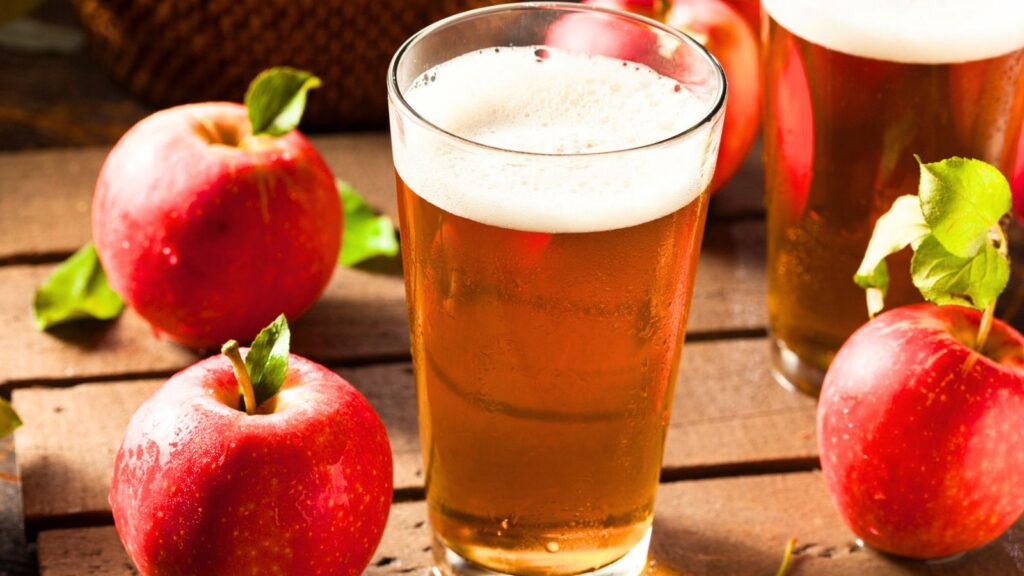
Fresh sweet cider comes uncooked and without chemical preservatives, and fermenting it produces hard cider. Making it at home takes clean equipment and monitoring, not just a jug on the counter. Pennsylvania cideries are coming to terms with the short crop. One cidery is relying on existing inventory while it considers sourcing fruit from Michigan or Wisconsin for winter production. Certain blends may not be possible this year, and the ones cideries do make might taste different or cost more. Cooks who do find a bottle can braise chicken in it, and a dry one keeps the sauce from turning sweet.
A second fermentation turns hard cider into vinegar
Vinegar comes from a second stage of fermentation. Sugar turns to alcohol first, and the alcohol then turns to acetic acid, which is what makes the result vinegar. At home, the process can take up to a month and needs daily stirring and careful attention to temperature and oxygen. Unfiltered cider vinegar keeps the mother, a jelly-like mass of yeast and bacteria that forms during fermentation and is harmless to eat.
Cider vinegar is milder than distilled white vinegar, though its amber color may not suit light-colored produce. Cooks can steep a store-bought bottle with fresh herbs or jalapeños for three to four weeks in a cool, dark place, or with berries for two to four weeks. The result works in dressings and marinades.
The label shows what kind of cider you have
Packaged cider that sellers have not pasteurized or otherwise treated must bear a federal warning on its label. Sellers at orchards and farmers markets who pour cider by the glass do not have to. A shopper unsure what they bought can ask the seller whether the cider had any treatment before deciding how long to keep it.
Jennifer Allen is a retired professional chef and long-time writer. Her work appears in dozens of publications, including MSN, Yahoo, The Washington Post and The Seattle Times. These days, she’s busy in the kitchen developing recipes and traveling the world, and you can find all her best creations at Cook What You Love.