
The best gift this Christmas may be one that never gets wrapped; it won’t fit under a tree and nobody can return it, because the gift is a week spent entirely on the person who receives it. A stay built around that idea is less about rest than about work, the personal and unglamorous kind that most December calendars have no room for. That makes it an odd gift and a useful one, and it asks the recipient to arrive willing to change something, not only to unwind.

Hilton Head Health Wellness Resort & Spa, also known as H3, in South Carolina suits that kind of arrival, and guests come with very different aims. Some want the fitness classes, while others come to sort out how they eat. Elizabeth Huggins, MESS, RDN, LD, CDCES, a registered dietitian and certified diabetes care and education specialist at the resort, says the team meets people where they are. She says guests often find that “what they thought they were coming for” changes by the end of their stay.
Experience gifts are gaining ground. Half of surveyed shoppers plan to give one this holiday season, up from 47% in 2025, Deloitte reports. A week at a wellness resort fits that trend, and it asks something in return from the person taking it.
Wellness spending is growing, too: the global wellness economy reached a record $7.5 trillion in 2025, up 8.9% from the year before, the Global Wellness Institute reported in its Global Wellness Economy Monitor 2026, released in November. Inside that market, H3 has built a week around longevity research that began more than 25 years ago.
The Blue Zones week
The resort runs a seven-night Blue Zones Experience in partnership with Blue Zones and bills it as the only ongoing program of its kind in the United States. Workshops cover physical habits such as moving and nourishing the body, along with relationships and a sense of purpose, all built on the Power 9 principles, nine lifestyle habits linked to longevity.
The Blue Zones Experience includes a personalized Longevity Blueprint, a set of checklists and planning documents meant to support change after the trip ends. Movement options include yoga, beach walks and aqua fitness, and a resort credit can go toward private life coaching or spa services.
GLP-1 support at every stage of the medication
The resort’s GLP-1 Support Experience starts from the premise that these medications change biology and not behavior. It attracts guests at very different points: some have lost weight quickly and want to stabilize, while others are managing side effects such as fatigue and nausea, or preparing to taper off and protect their progress. Huggins says it can help guests new to a medication to start it before arriving, so any side effects happen at home. The resort does not prescribe these drugs and does not try to put anyone on or off them.
Each day includes education, with about two-hour sessions that start with what a GLP-1 is and the different kinds, then move through mindset and balance before ending with what comes next after guests go home. Classes fill the rest of the schedule: pool yoga, traditional aqua classes, strength training, Tabata and boxing, in small groups. The emphasis is on movement, strength, mobility and independence, and all body types and ages are welcome.
Muscle preservation comes first in the program. Strength and recovery programming aims to preserve lean mass. The resort has a cold plunge and sauna for recovery, and an exercise physiologist can build an optional exercise prescription matched to the guest’s treatment phase.
Food that does not feel like diet food
Executive Chef Thomas Carrig’s meals run 250 to 350 calories, and guests mix and match from the menu, adding to each plate to meet their own protein and caloric needs. Elizabeth Huggins says new arrivals often notice the smaller portions of starchy sides and doubt the meal can fill them, then finish “amazed at how satisfied they feel.” She credits lightly sautéed and oven-roasted low-carb vegetables, which “promote satiety without the calories.”
Huggins says guests are also surprised that “healthy foods can taste delicious without needing heavy cream sauces or lots of butter” and that fried food “misses the mark” on plate appeal. Others remark on “how fresh our meals taste.” GLP-1 guests get personalized protein guidance and can book a one-on-one consultation with a registered dietitian or a culinary workshop on easy, protein-rich meals to make at home. The aim is a positive, or at least neutral, relationship with food, and the team avoids telling anyone what they can’t eat. The kitchen tries to accommodate allergies and gastrointestinal issues.
Traveling solo
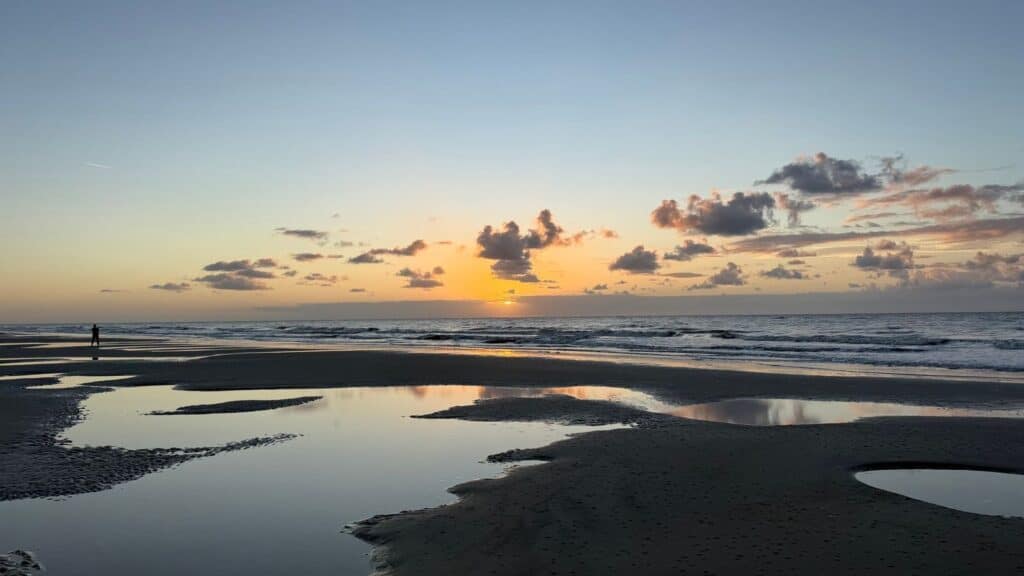
Some guests, particularly women, are unsure about arriving alone, but many travel solo and form friendships that outlast the stay. Huggins wishes people knew “how easy it can be to connect” with other guests, and returning guests sometimes meet at the resort and come back together. Small classes give people a natural way to start, and sunrise beach walks open the day for guests who want an early one.
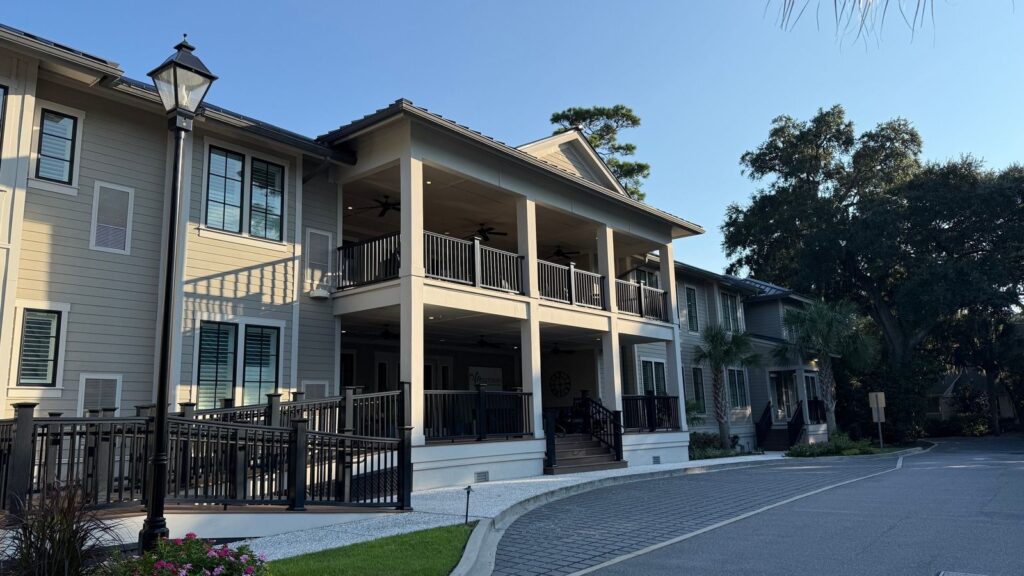
The Sweetgrass Inn, where most guests stay, is very close by and convenient, Huggins says, while villas can feel more removed to guests walking back after dark. She also says dress is casual and there is no pressure to put on makeup.
Beyond the schedule
Not every hour at the resort is planned. Excursions off the property can include dolphin tours, kayaking trips or local concerts under the stars. Huggins’s advice for it all is short: “Keep an open mind.”
Jennifer Allen is a retired chef turned traveler, cookbook author and nationally syndicated journalist; she’s also a co-founder of Food Drink Life, where she shares expert travel tips, cruise insights and luxury destination guides. A recognized cruise expert with a deep passion for high-end experiences and off-the-beaten-path destinations, Jennifer explores the world with curiosity, depth and a storyteller’s perspective. Her articles are regularly featured on the Associated Press Wire, The Washington Post, Seattle Times, MSN and more.