
Most Thanksgiving hosts plan the food but not what to do when something goes wrong at the stove or at the table. For both, the advice starts with what not to do, because the natural first move can make things worse. The kitchen has real hazards on a day when the stove runs for hours, and the table brings its own surprises, from an uninvited guest to an allergy no one mentioned.
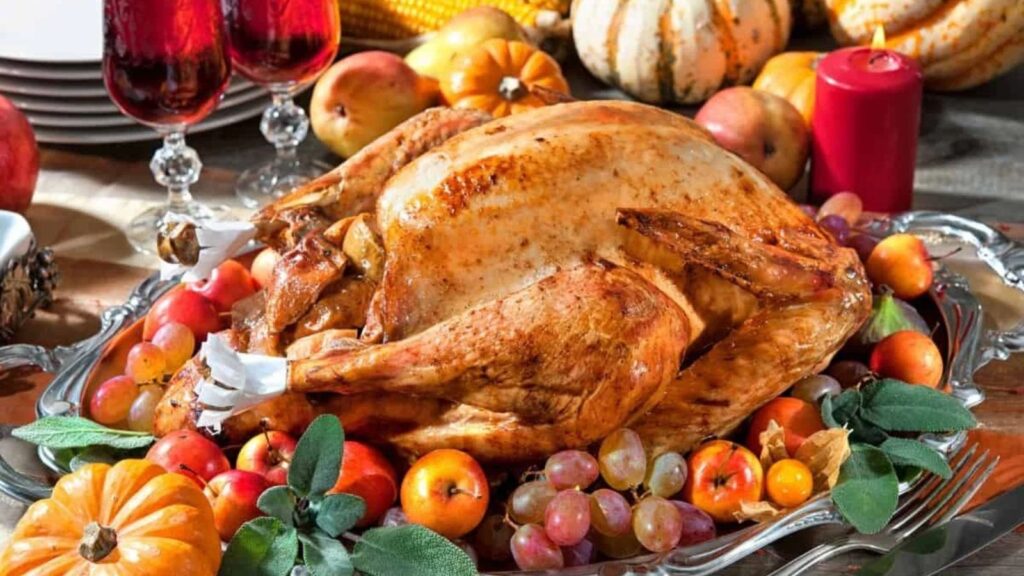
Thanksgiving is one of the busiest days of the year for home cooking, and one of the leading days for cooking-related fires, federal safety officials said. The host is usually managing both the kitchen and the table, and the stove and oven can run for hours depending on the menu. By the time dinner is served, anything unexpected is theirs to handle.
Stovetop fires and gas smells
On Thanksgiving, cooking fires run more than three times the daily average. For a grease fire, officials recommend sliding a lid over the pan and turning off the burner, and they warn against using water. Officials also recommend turning pot handles inward to prevent spills and burns.
Children and pets belong at least 3 feet from the cooking area, and oven mitts, wooden utensils and food packaging belong away from the stovetop. Turkey fryers go outdoors and away from structures, and the turkey must be fully thawed and dry before it goes into the oil. Officials also warn against overfilling the fryer with oil.
A rotten-egg smell or a hissing sound can signal a gas leak, and state regulators say to leave right away. Regulators warn against using light switches or phones and against trying to find the leak, because any of those could ignite the gas. Anyone who smells gas should leave and call the utility or 911 from a neighbor’s home, and no one should re-enter until a gas company employee says it is safe.
Gas stoves release nitrogen dioxide, a harmful contaminant, and carbon monoxide can build to unsafe levels when they run for long periods, according to state health officials. Using the range hood every time helps, and a hood that vents outdoors works better than one that recirculates the air. Without an exhaust fan, opening nearby windows or doors helps, and officials recommend installing carbon monoxide alarms and checking them regularly.
Someone uninvited walks in
A host who welcomes the extra person warmly and treats them like any other arrival makes the rest of the table easier. If chairs run short, the host can take the folding chair and give the newcomer a full place setting rather than seating them on a stool or at a casual setup.
The host and any close family who understand the situation hold back on their own portions so the food goes further, and any conversation with the guest who brought the extra person can wait for a gentle follow-up after the event. Guests, for their part, should raise it with the host ahead of time, since there is usually room for one more.
An allergy no one mentioned
FARE, a food allergy research and education group, advises hosts to ask guests about any food allergies before the meal and to keep ingredient packaging, or a photo of the label, to share with any guest who asks. Allergens can hide in the seasonings and juices of many packaged meats, the group said, so hosts should read every label each time, especially when trying something new.
At a buffet, guests with food allergies should serve themselves first to limit cross-contact, the group said. The group also suggests ingredient labels on each dish and thorough cleaning of cooking and dining surfaces to remove allergens.
The conversation turns tense
A November 2026 poll found that 12% of those planning to celebrate expect arguments about politics. A larger share, 37%, said they were very or somewhat likely to discuss politics at dinner.
Psychologists cited by the American Psychological Association have offered guidance. Jessica Smedley, a licensed psychologist in private practice in Washington, D.C., said people can set their own rules based on what they need. Tania Israel, a professor of counseling psychology at the University of California, Santa Barbara, said the goal is a warm and trusting connection rather than winning a debate, and that part of handling a hard conversation is knowing when to exit.
Grief at the table
A holiday built around a full table can land differently for a guest who has lost someone. According to clinical psychologist Therese Rando, no one can take away a grieving person’s pain, but they can acknowledge it, such as by telling the person it hurts to see them hurting this holiday. Rando also said offers of help work best when they name something specific, like help with decorating or wrapping, rather than leaving it open-ended.
No plan covers everything
In a recent poll, 78% of those planning to celebrate said they will be at their own home or a friend’s or family member’s home. At those tables, there is no staff and no manager to step in. Knowing how to respond to the unexpected is as much a part of hosting as knowing how to cook the meal.
Jennifer Allen is a retired professional chef and long-time writer. Her work appears in dozens of publications, including MSN, Yahoo, The Washington Post and The Seattle Times. These days, she’s busy in the kitchen developing recipes and traveling the world, and you can find all her best creations at Cook What You Love.