
Holiday flights have enough drama before anyone starts negotiating a seat swap in the aisle. A bag opened at the wrong moment or a boarding pass scanned too soon can stall people who are ready to move. Crew advice and federal safety rules show where a little patience can keep boarding orderly and the cabin safer.
Ask Before Switching Seats
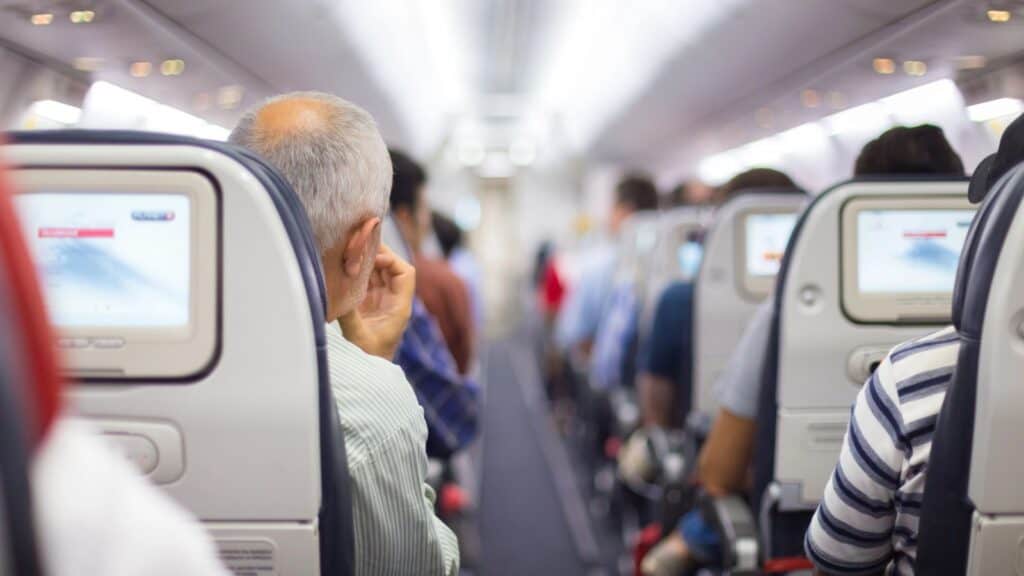
An empty seat can look like an invitation, but moving without asking creates problems the crew must sort out. Former flight attendant Bobby Laurie told Travel + Leisure that crew devices can show assigned seats and paid upgrades. On smaller aircraft, seat assignments may also support weight-and-balance requirements. Ask a flight attendant before trading places, and wait until the crew approves the move.
Clear the Aisle Before You Unpack
Reaching the row is not the time to hunt for headphones or rearrange a backpack. Flight attendant Kelsie Rogers advises passengers to step into their row before sorting their belongings. Keep the items you expect to use near the top of your personal bag. Once you reach your seat, move out of the aisle and finish organizing without holding the line behind you.
Wait for Your Boarding Group
Scanning a pass early may send a traveler straight back out of line. American Airlines says its gate software can reject a boarding pass and sound an alert when someone scans before the gate agent calls the assigned group. The gate agent then asks that traveler to return at the correct time. Check the group on your pass and wait for the announcement unless an agent directs you forward.
Treat Overhead Space as Shared
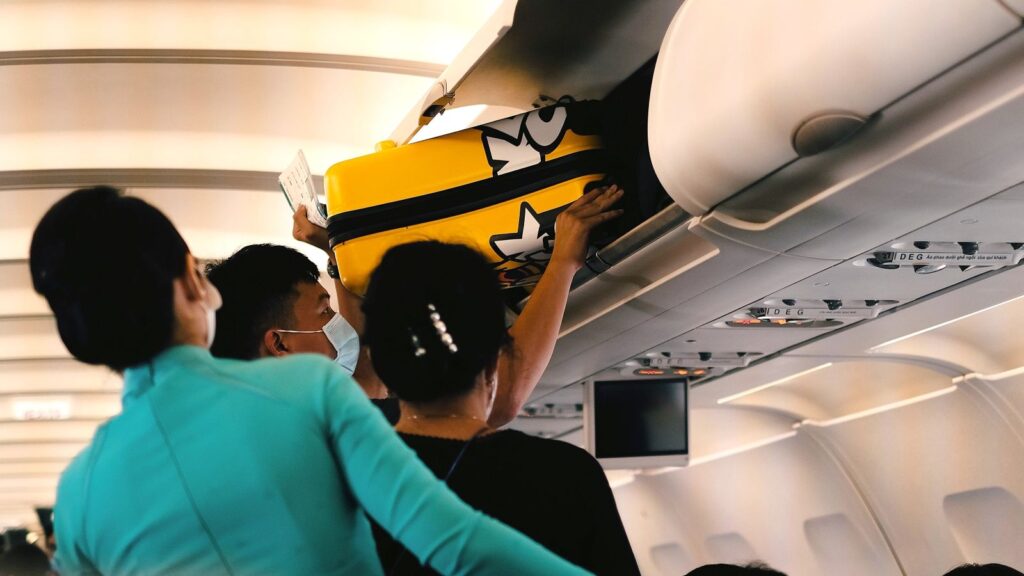
Space above your row feels convenient, but it does not come with the seat. Good overhead-bin etiquette means leaving another passenger’s bag alone and asking the crew for help. American warns that it may check a carry-on at the gate when the bins fill. Follow the bin diagram when one appears, and keep medications, valuables, and batteries ready to remove if the bag must go below.
Buckle Up While the Sign Is On
Standing while the seat belt sign glows is more than a crew pet peeve. Federal regulation requires each passenger who must occupy a seat to fasten the belt and keep it on whenever the sign glows. The pilot turns it on during taxi, takeoff, and landing, as well as whenever conditions require it. Stay seated until the sign goes dark, even when the cabin feels calm.
Keep Power Banks in Your Carry-On
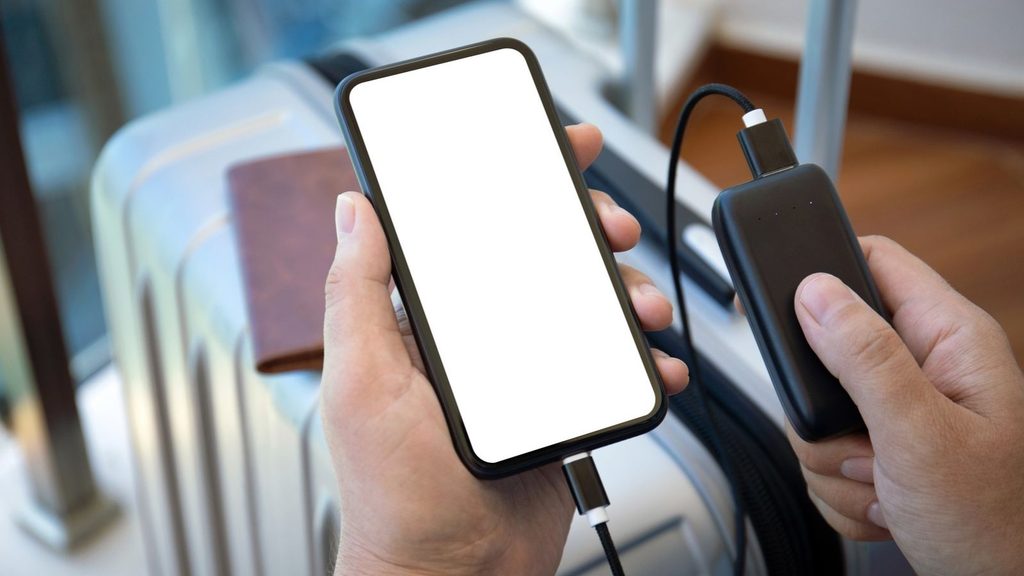
A power bank buried in a checked suitcase cannot stay there. The FAA says spare lithium batteries, including portable chargers, must travel in a carry-on and cannot go in checked baggage. Protect the terminals from a short circuit. If a gate agent checks a roller bag, remove the charger before handing it over. Airlines may set tighter limits, so review the carrier’s rules before leaving home.
Give the Cockpit Door a Wide Berth
The cockpit door is not another cabin doorway. An FAA security notice says airlines open it during flight for limited crew needs and must follow approved procedures because the opening creates a vulnerable moment. The agency also documented incidents involving passengers who mistook the door for the lavatory. Keep clear whenever crew members manage the door, and follow their instructions without delay.
Courtesy Has an Operational Payoff
Air travel asks strangers to share a narrow space while a trained crew handles a schedule and safety rules. Courtesy matters here because it gives the crew room to do work passengers cannot see. The best cabin habit is not perfection. It is noticing when a personal convenience creates extra work for everyone else.