
Fig jam and dried figs can look like stand-ins for each other, but a holiday cook who swaps one for the other changes the dish. Jam works as a glaze over a ham, while dried figs work chopped into a sausage stuffing. With the fresh fig season closing, that difference matters from the cheese board to the cookie dough.
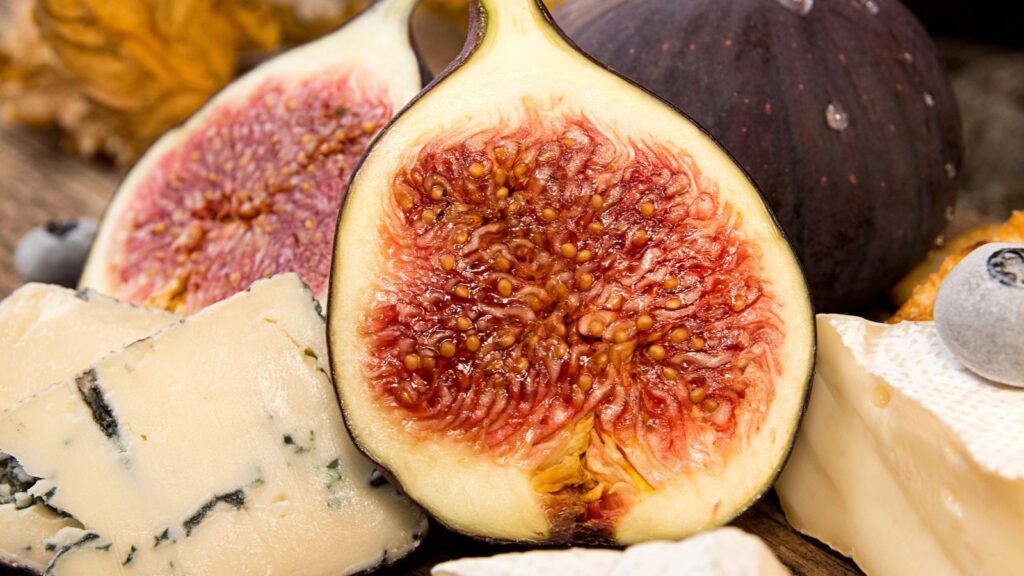
Figs can seem like a fancy ingredient, but at a holiday gathering the appeal is flavor and presentation, not price. A dried fig is chewy and concentrated in sweetness, so a cook can slice it onto a board or chop it into a dish, and a holiday spread such as a Christmas tree charcuterie board gives those slices a centerpiece. Jam and preserves are soft and spoonable, so they work as toppings and sauces instead of slices.
California’s fig industry said in July it expects a crop comparable to last year’s harvest of nearly 10 million pounds, though that figure is a forecast and not a final count. The main crop followed an early breba crop that delivered the first Mission figs of the season in May and June. The industry also said all varieties should stay available from July through November. A trade report says supplies are expected to stay strong into October before the first fall freeze closes the season by November.
A counterpoint to rich cheese
Rich cheeses can use something sweet beside them, and figs can supply it in two ways. California farmers grow all of the dried figs produced in the United States, including Golden and Mission figs. Both can sit next to a sharp or aged wedge such as cheddar or manchego, while softer cheeses, such as a wheel of baked brie or a log of fresh goat cheese, suit jam or preserves. A small bowl on the side lets each guest choose how much sweetness to add, from a thin smear to a generous spoonful, and guests can build their own bites by pairing a slice of fig with one cheese and a dab of jam with another. The sweetness can contrast with a cheese’s salt, and a plain cracker or slice of bread keeps a bite from turning too sweet.
Sweetness beside savory dishes
A cook can spoon jam beside a roast or onto a small appetizer, such as a cracker topped with soft cheese, where it adds sweetness and shine without changing the dish itself. A cook can also use jam as a glaze, brushing a thin layer over a pork loin or a ham near the end of roasting so it browns onto the surface. Dried figs take a different path, because a cook can chop them into a sausage stuffing or simmer them with shallots and stock into a pan sauce for roast chicken.
Preserves that work across courses
After a jar of fig jam or preserves goes out with the cheese board early in the evening, it can return to the table later over pound cake or vanilla ice cream, with no extra cooking. Warmed with a little orange juice, the same jar can become a sauce for cheesecake. Because it is a pantry item, a host can buy or make it before guests arrive, and nothing about it needs to be timed with the rest of the meal.
A fruit that works in baking
In desserts, dried figs and jam divide the work, with chopped or cooked-down dried figs making a filling for fig bars or a rolled cookie that gives the dough something to wrap around. Cuccidati, the fig-filled Italian cookies, are one example, and fig fillings vary widely, with many recipes pairing the fruit with other ingredients. Unlike the dried fruit, jam needs no cooking down, so a baker can swirl it into cake batter or press it into the center of a thumbprint cookie before baking.
Jam and preserves differ in the jar
Fig preserves and fig jam are separate recipes in tested canning guidance, which describes its fig preserves as a traditional Southern-style whole-fruit preserve and not a spread like jam. The same source offers a fig jam made from chopped figs without added pectin and another made from crushed figs with liquid pectin. A host who wants plump pieces of fig looks for preserves, while a host who wants a spreadable topping looks for jam. The same guidance calls for adding lemon juice or citric acid to home-canned figs, because raw figs sit near the border between acid and low-acid foods.
Dried figs outlast the fresh season
Unlike fresh figs, dried figs are available year-round. Stored at room temperature, they keep up to a month, and in the refrigerator they keep six months to a year. That shelf life lets a host buy a bag weeks before the holiday and still have figs left for the new year.
Jennifer Allen is a retired professional chef and long-time writer. Her work appears in dozens of publications, including MSN, Yahoo, The Washington Post and The Seattle Times. These days, she’s busy in the kitchen developing recipes and traveling the world, and you can find all her best creations at Cook What You Love.